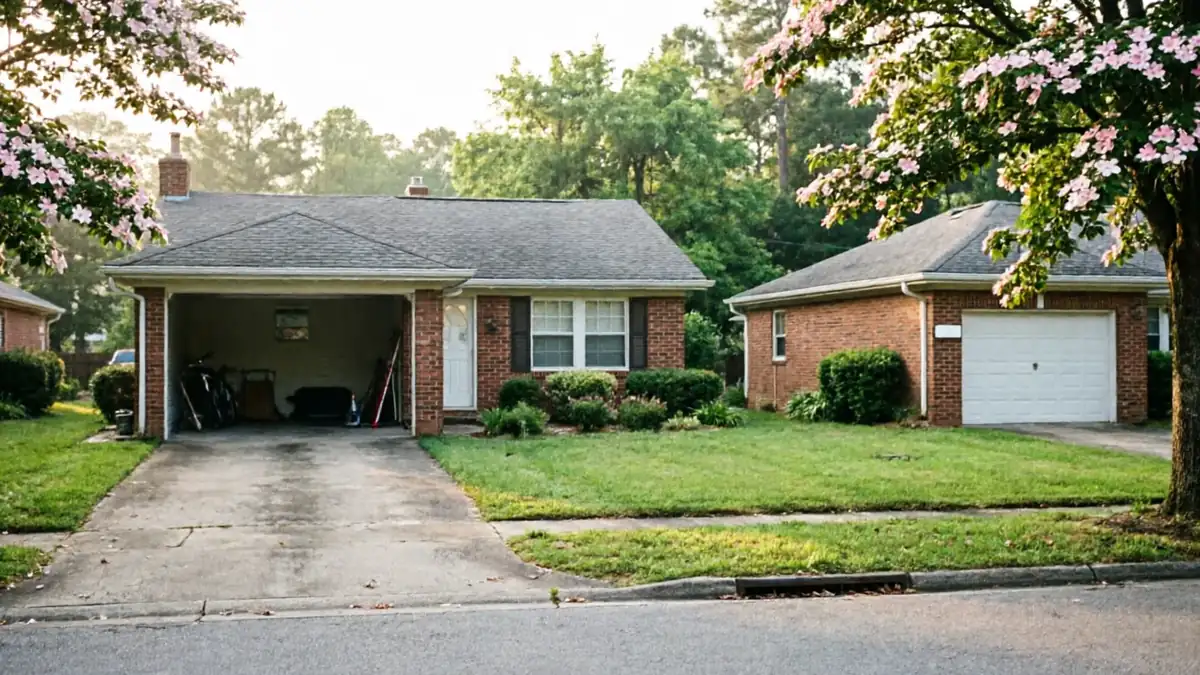
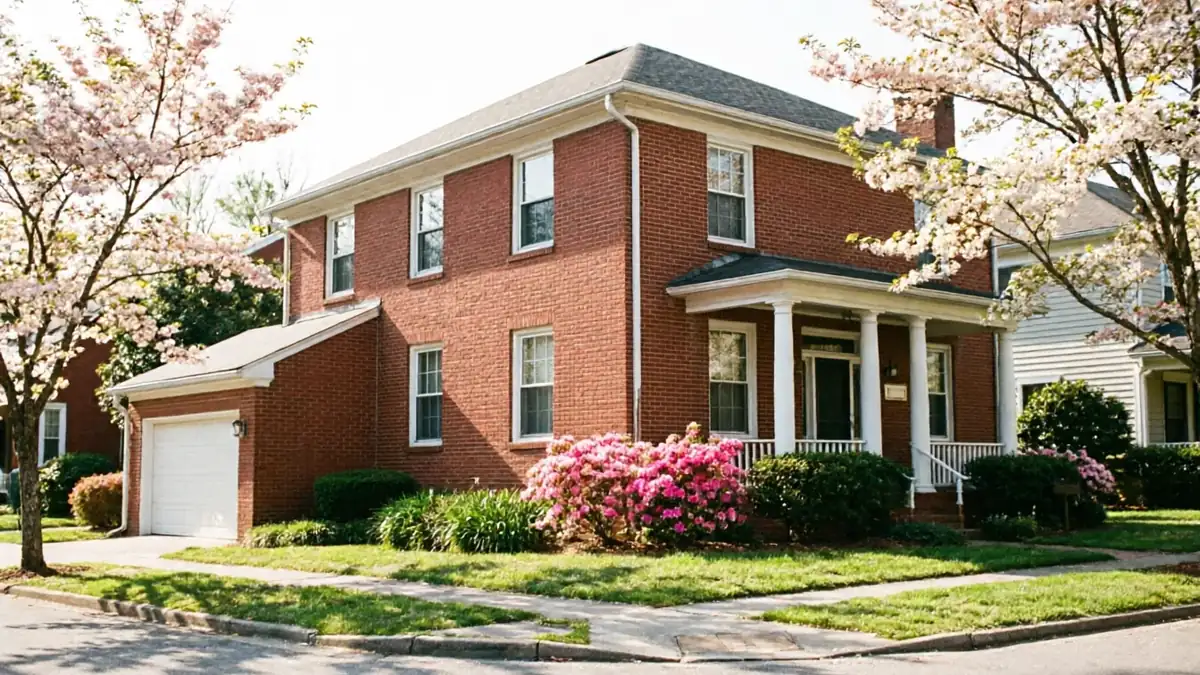
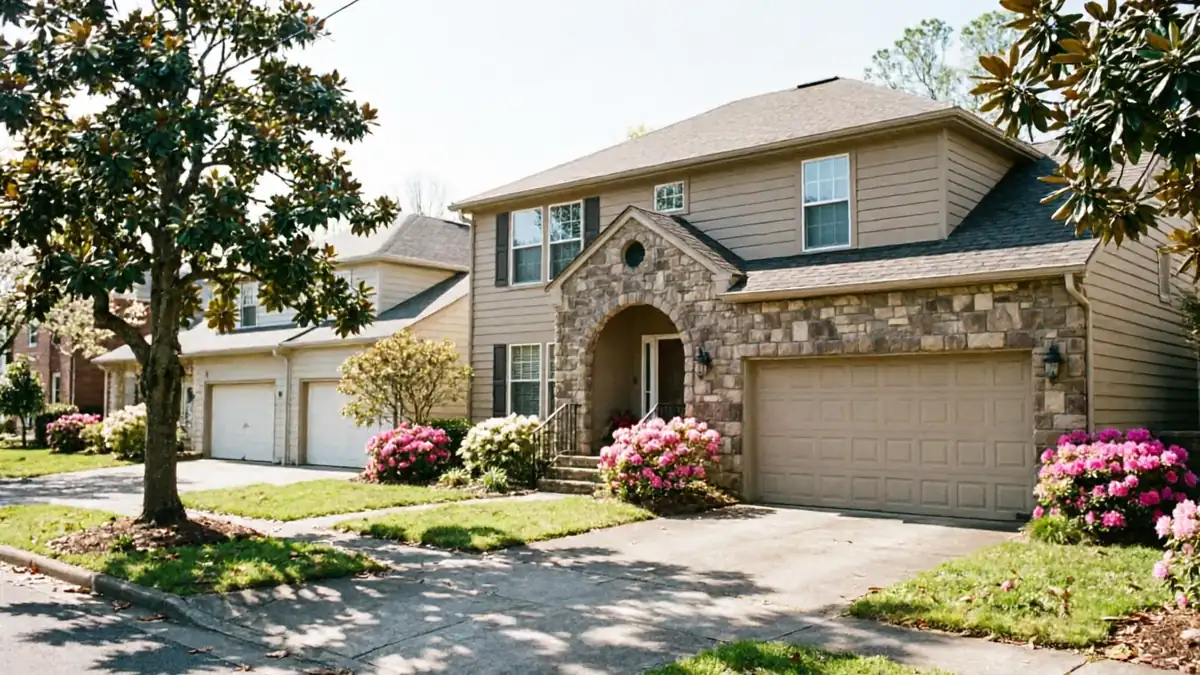
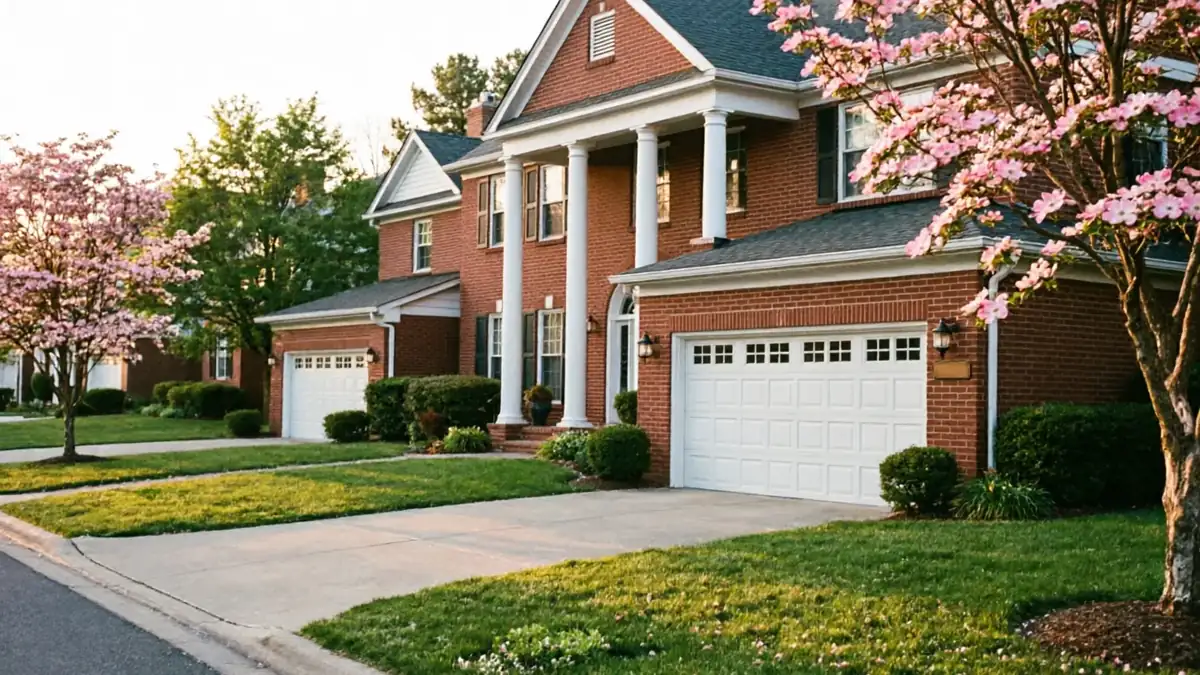
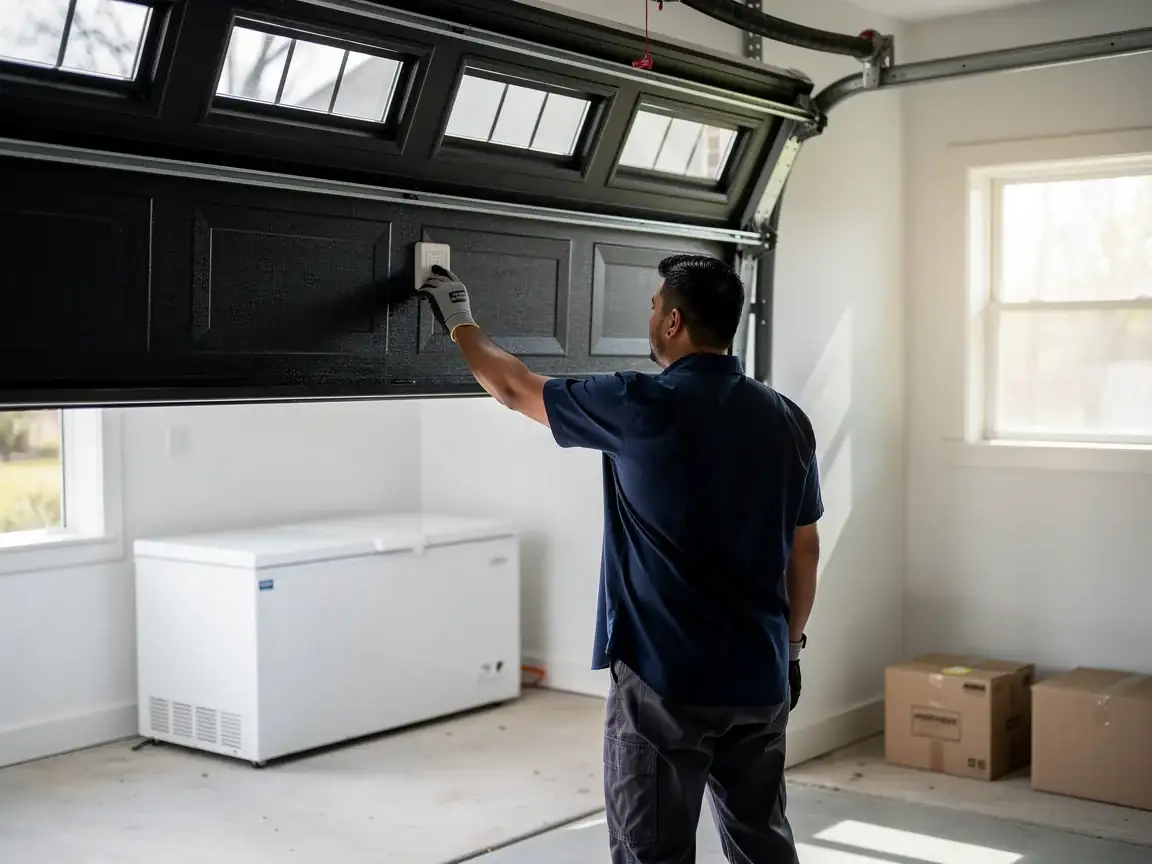
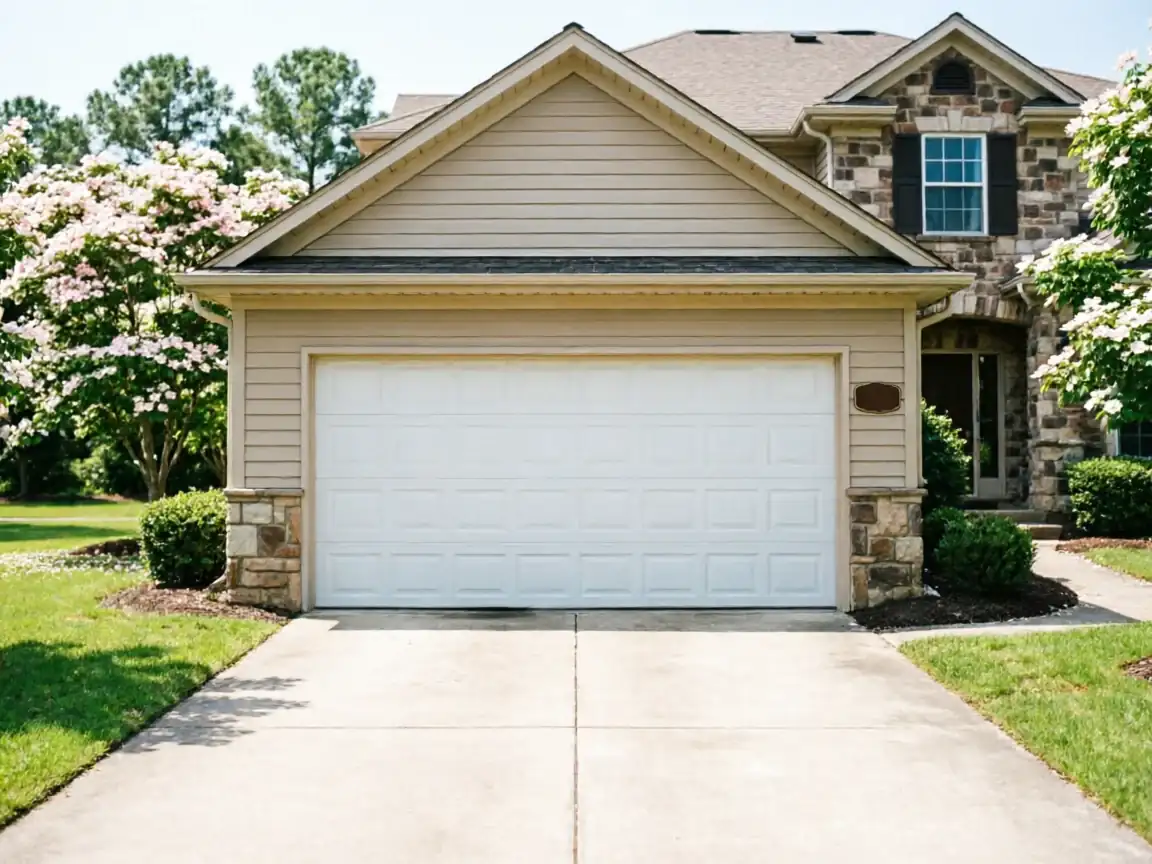
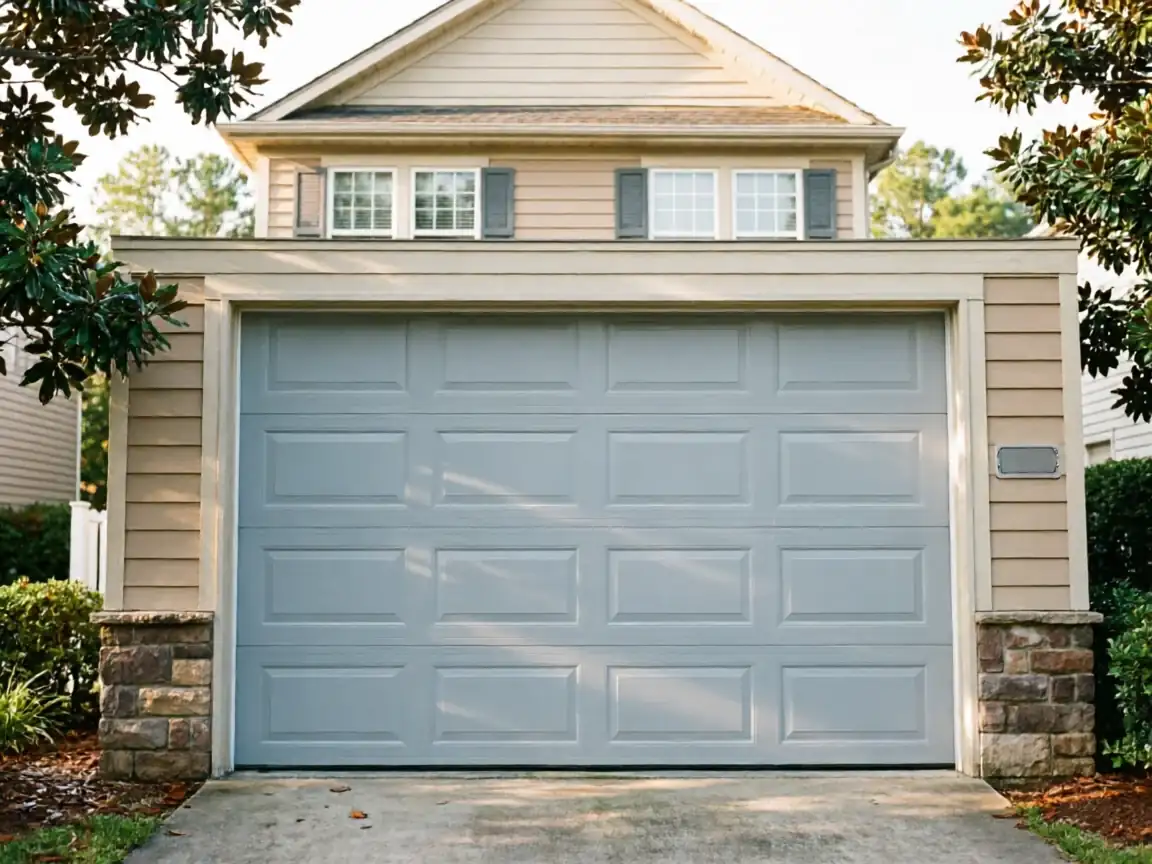
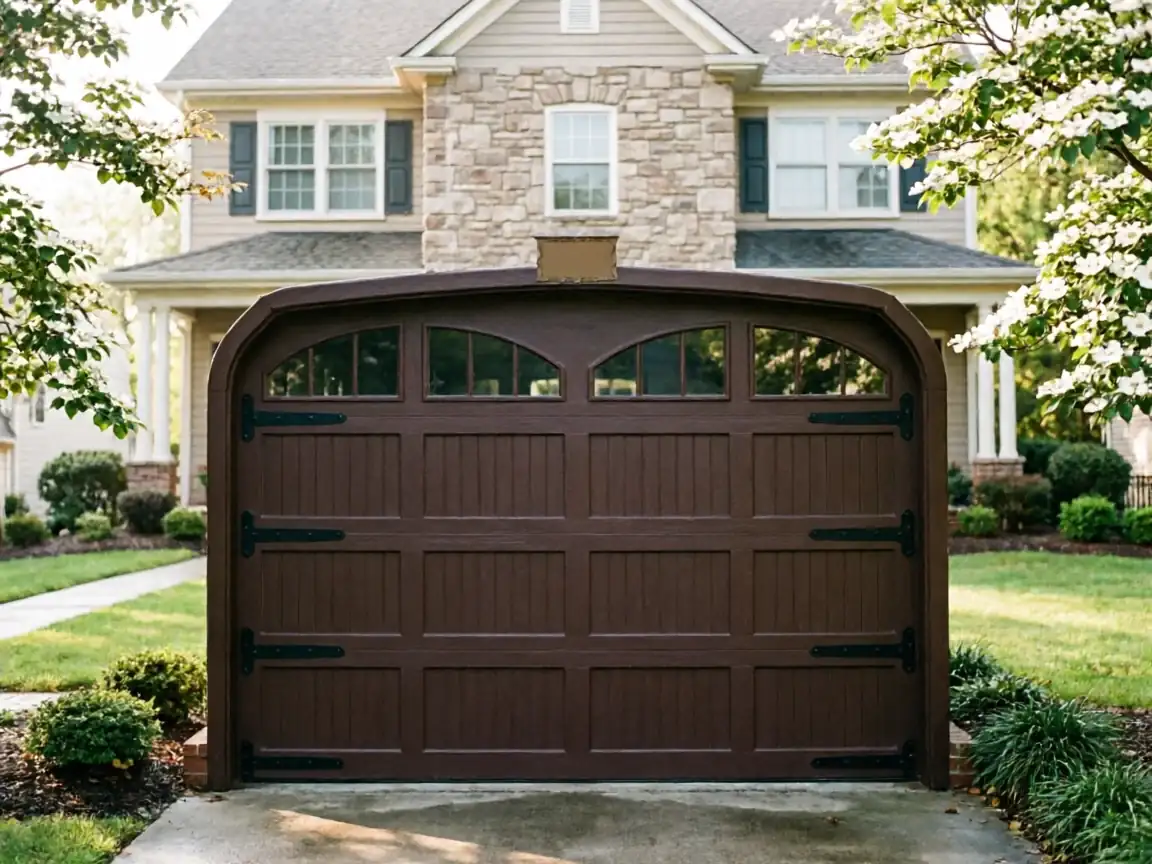
Jamestown homes mostly went up in the late 1980s. We explain what that build era means for your door, spring, and opener, and how we get here from High Point in minutes.
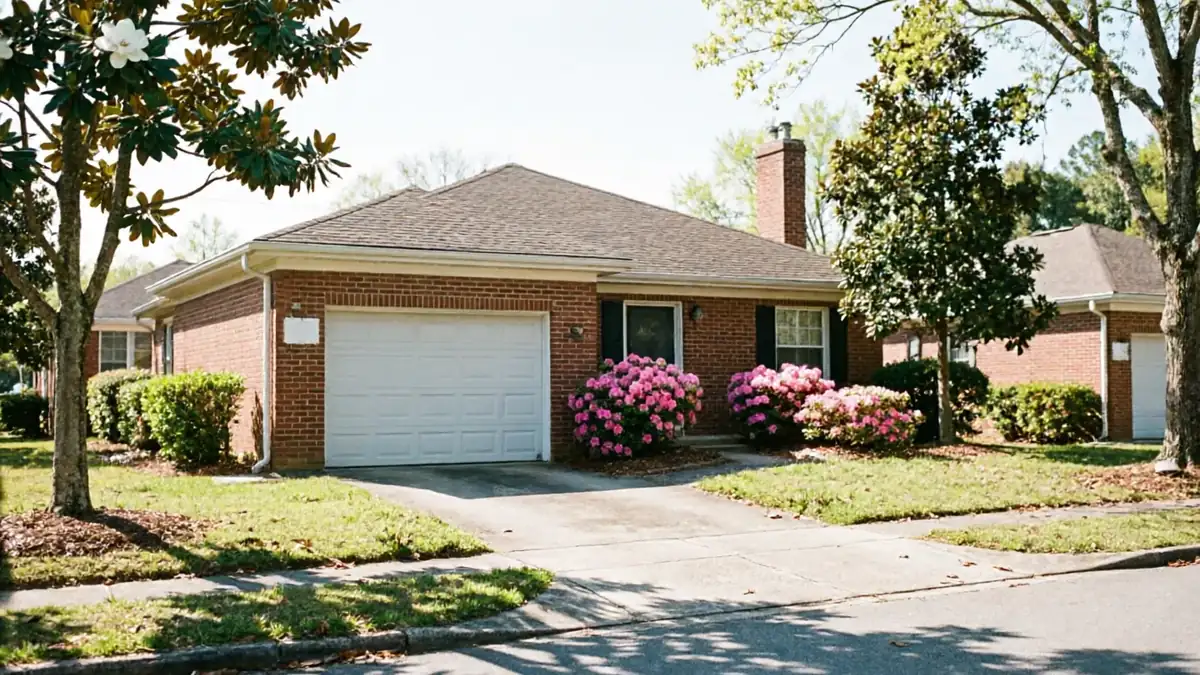
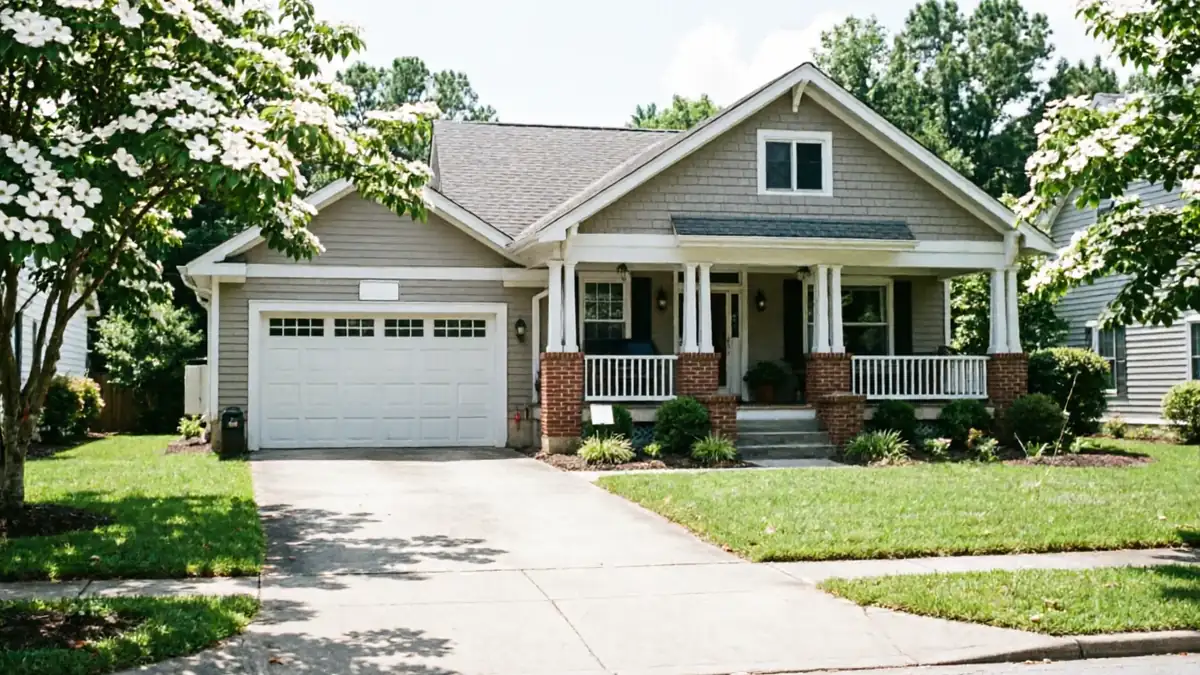
Jamestown's housing stock centers on 1989, almost smack in the middle of the broader 1976-2002 build window that covers this part of the service area. That's a few years newer than the area-wide median of 1987, but close enough that the same general category of door and opener hardware applies here. With 1,565 households in Jamestown, you're looking at a town built mostly in one tight stretch of time, not a mix of eras stacked on top of each other like you'd find somewhere with a longer settlement history. That matters because it means most garages here share the same bones: steel sectional doors, extension or early torsion spring setups depending on when in that window a given street went up, and openers that have likely already been replaced once or are due. A median household income of $90,542 also tells us something practical - Jamestown homeowners are more often replacing worn parts proactively than waiting for a cable to snap on a Saturday morning, which changes what kind of call we get out here.
Older vs Newer Streets
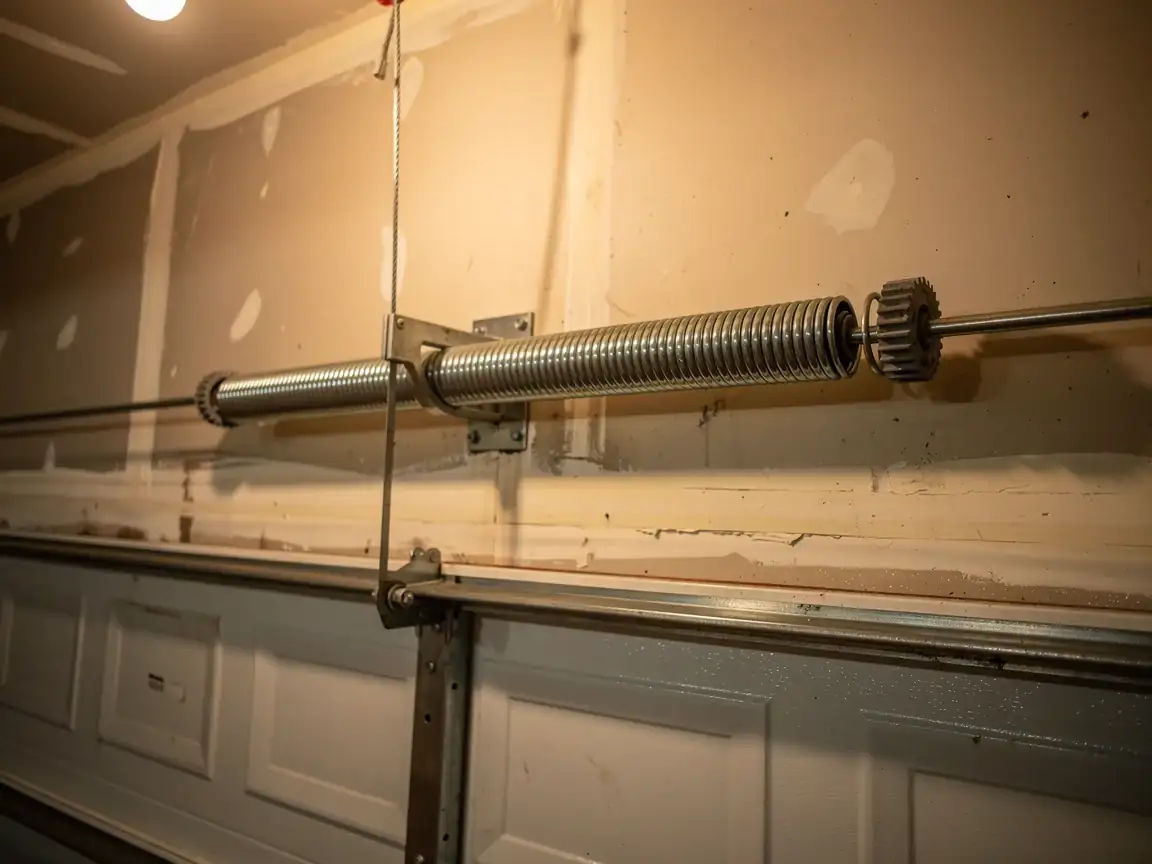
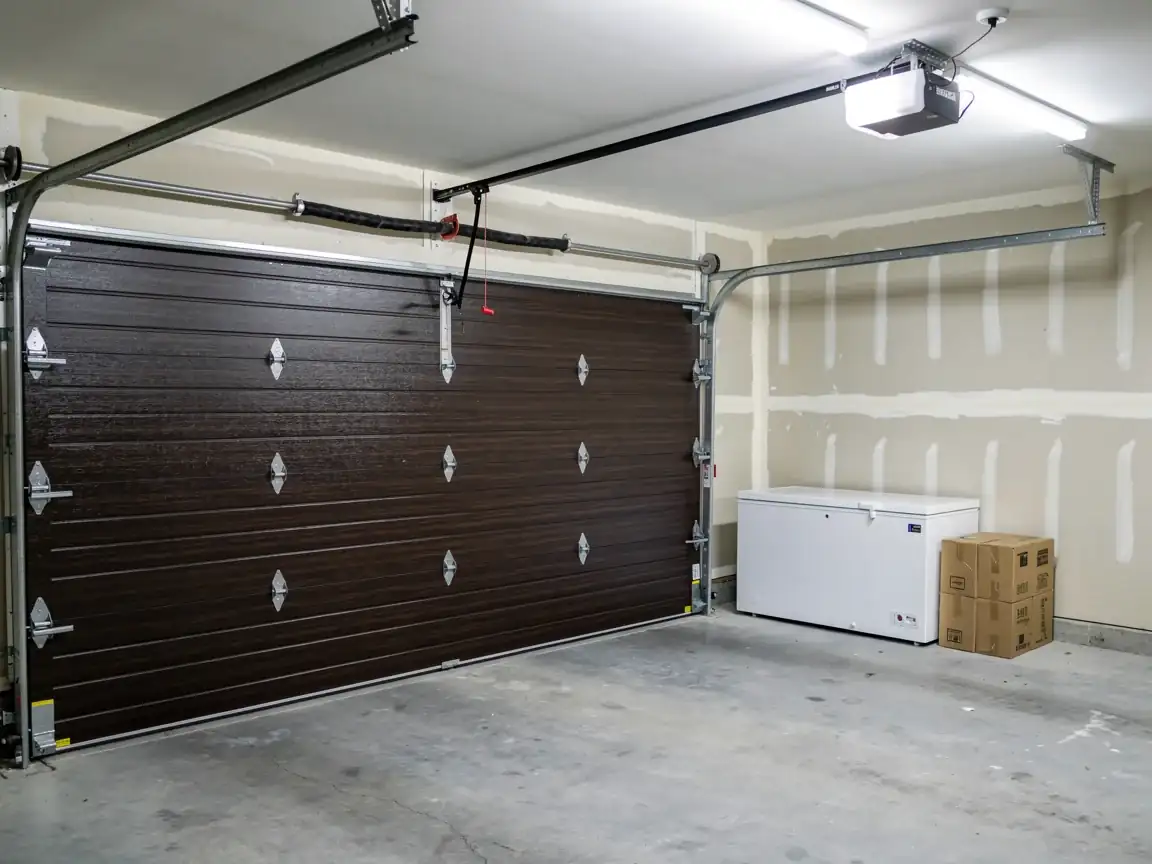
Not every block in Jamestown dates to the same year, even with a tight median. Streets built closer to the front end of that 1976-2002 window tend to run older torsion spring drums and galvanized track that's narrower than what goes in today - parts that still work fine but aren't always on the truck by default. Streets built closer to 2002 are more likely to have the wider track and heavier-gauge springs that became standard as doors got heavier with insulation. The practical difference shows up in two spots: strut reinforcement on wider doors, and whether the opener is a chain-drive unit from an earlier retrofit or a belt-drive added later. If you don't know which decade your street falls in, the door itself usually tells us within a few minutes of looking at the spring cones and the track gauge.
What the Housing Means for Your Door
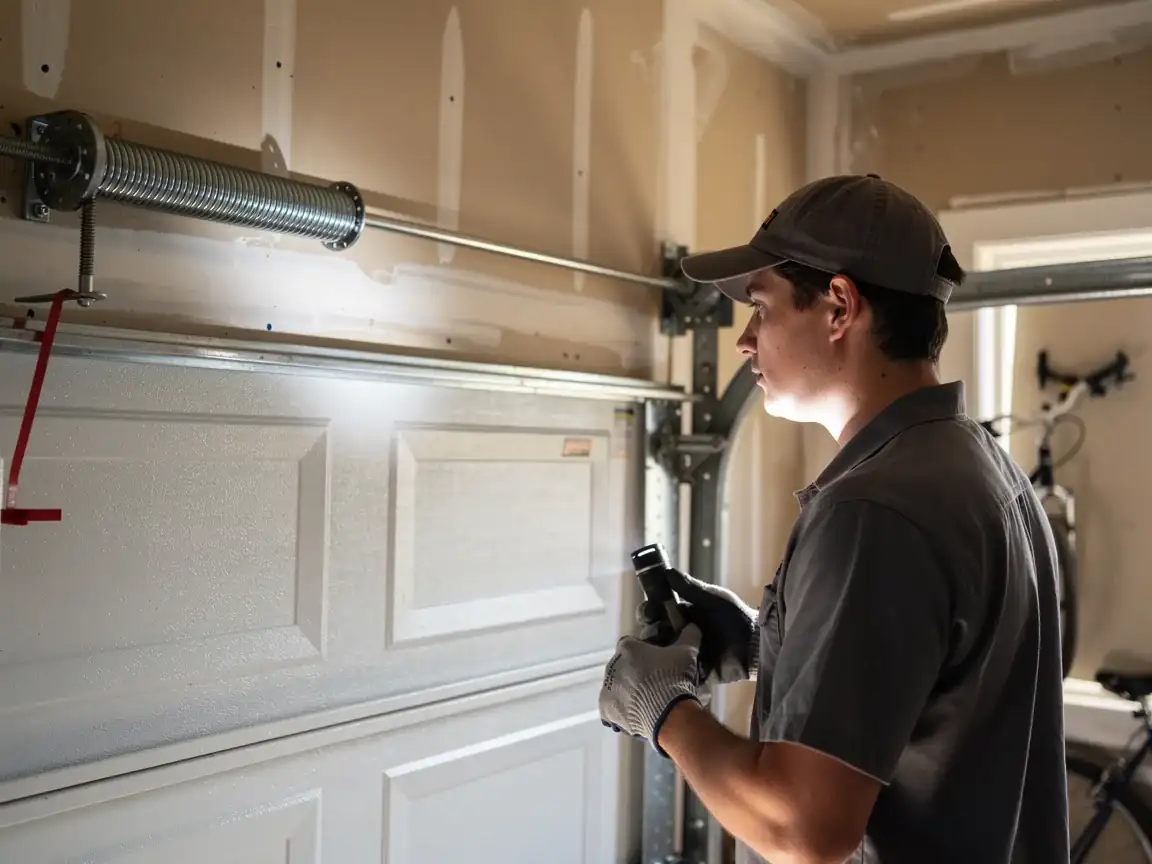
A door built around 1989 is old enough now that the original torsion spring, if it hasn't been swapped, is well past the cycle count it was rated for. Springs in this era typically ran on the smaller end of the wire-gauge spectrum, which means when one fails on a double-wide door, it fails hard and usually takes a cable with it. The cold-moderate climate here plays a role too - steel contracts in winter, and springs with any fatigue cracking are more likely to let go on a cold morning than in July. One honest limitation: if your door is original to a 1980s build and the track is the narrow style, we may need to source a wider replacement track rather than patch the old one, since the narrow stock isn't something we keep in volume. That's a parts-order situation, not a same-visit fix, and we'll tell you that up front instead of pretending otherwise.
Getting Here
We run out of High Point, and Jamestown sits about 3 miles out - close enough that it's one of the shorter drives on our board, not a special trip. From there the area connects to Archdale at 6 miles and Trinity at 8, so if you're on the edge of Jamestown near either of those lines, the same crew covers you without a different call. We don't keep a separate depot or staff posted in Jamestown itself; the truck comes from High Point same as everywhere else on this list, which is worth knowing if you're expecting a local storefront. What that short distance does mean is less drive time eaten out of your appointment window compared to the farther towns on our list, like Summerfield or Walkertown at 15 miles out.
How it works
From “it’s stuck” to “it’s fixed”
01
Tell us what’s wrong
Describe the symptom - won’t open, loud bang, opener runs but the door won’t move.
02
On-site diagnosis
A technician tests the door under power and by hand and finds what actually failed.
03
Clear, up-front plan
You get the fix that’s needed and what drives the cost - before any work starts.
04
Repaired & tested
The repair is done, the door is set true and tested, and the work area left clean.
Not sure which repair your door needs in High Point, NC? Describe what it’s doing - every job starts with a diagnosis.
A straight, honest approach on every High Point job - diagnosis first, the right parts, and clean work.
01
Diagnosis first
Every visit starts by finding what actually failed - not a pre-written parts list.
02
The right part for the door
Springs and openers matched to the door’s weight and age, so the fix holds up.
03
Straight answers
When a repair makes more sense than a replacement - or the reverse - you hear it plainly.
04
Clean, careful work
Tension released safely, hardware set true, the door tested under power before we leave.
110,268Residents in High Point
8Garage door services
5Neighborhoods & suburbs
NCServing High Point, NC
Door styles
Doors and work we handle
Illustrative styles - sectional, insulated steel, carriage, and commercial doors.
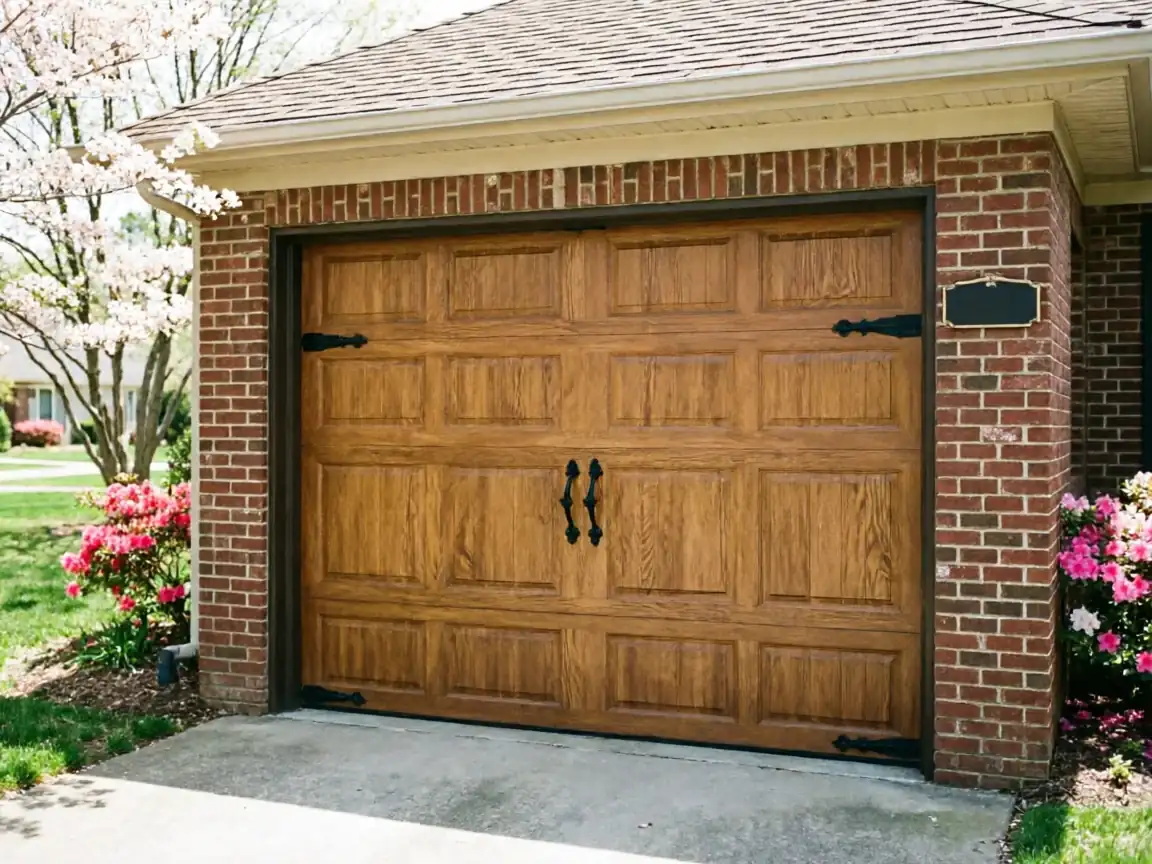
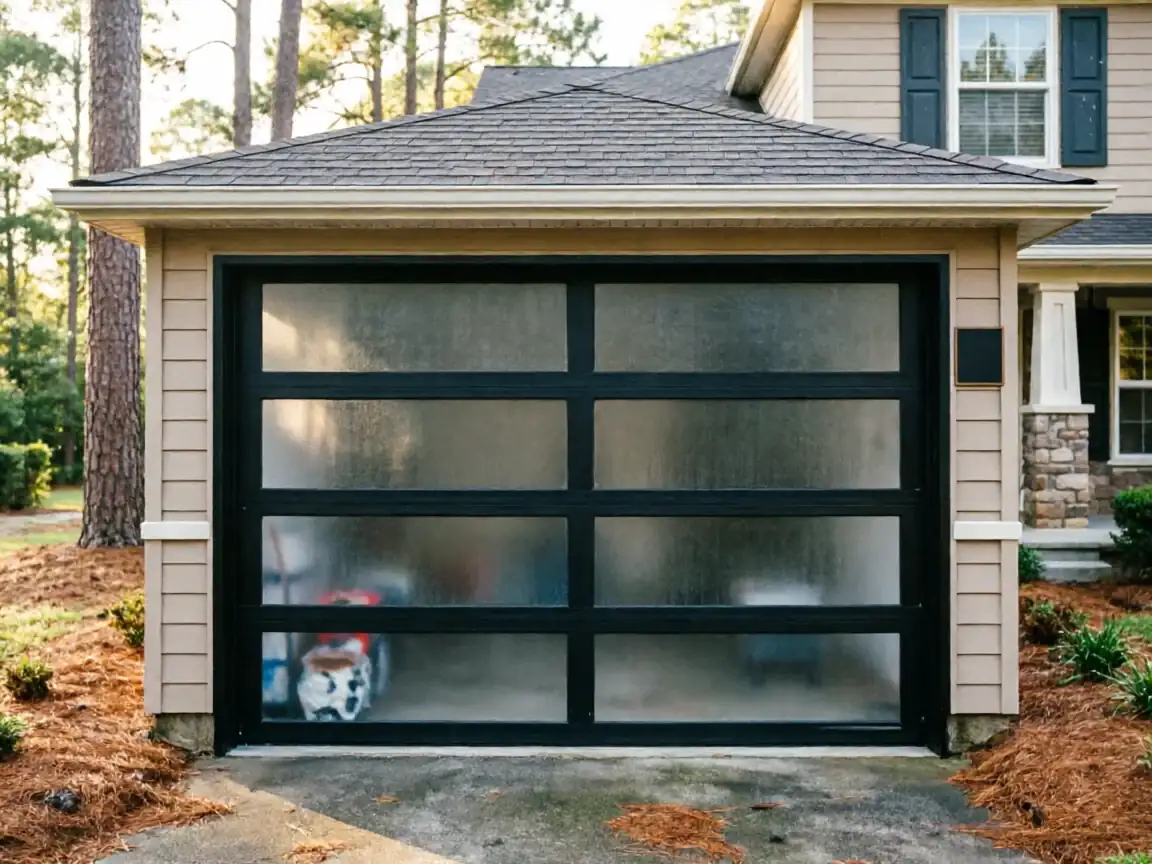
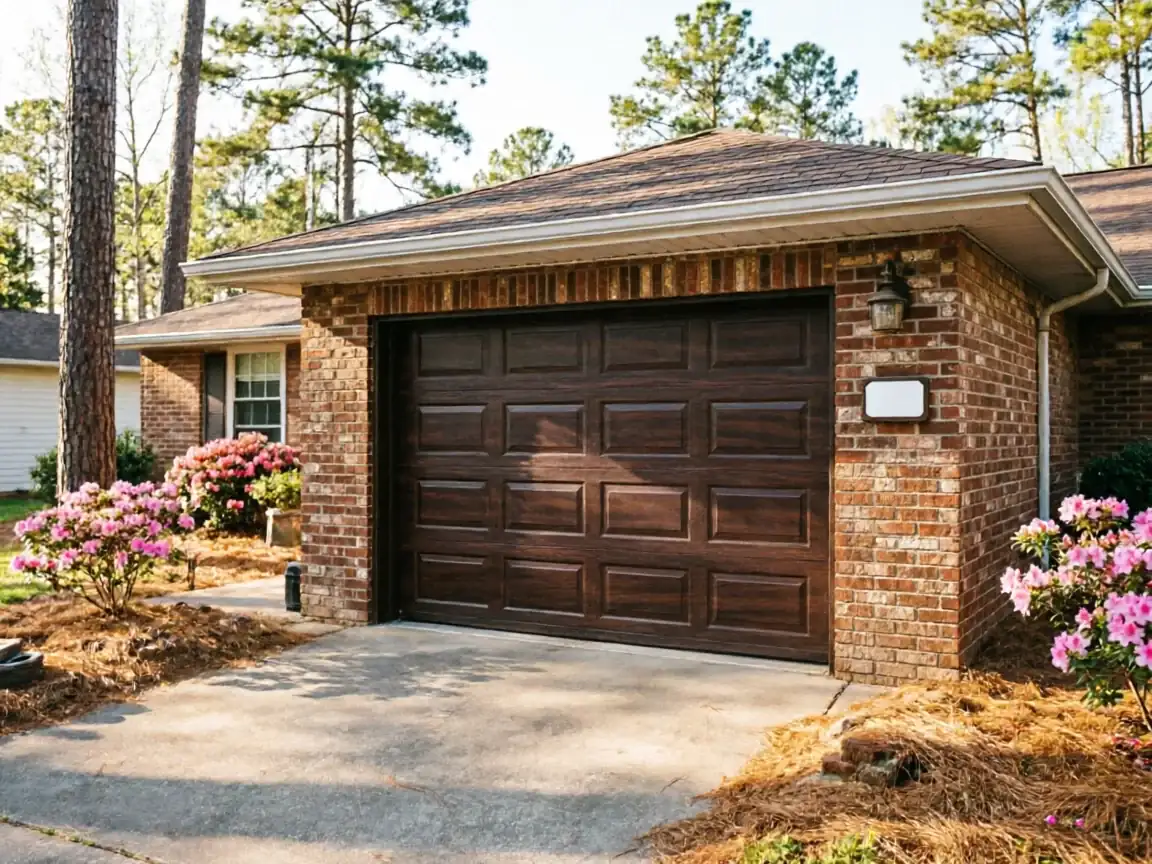
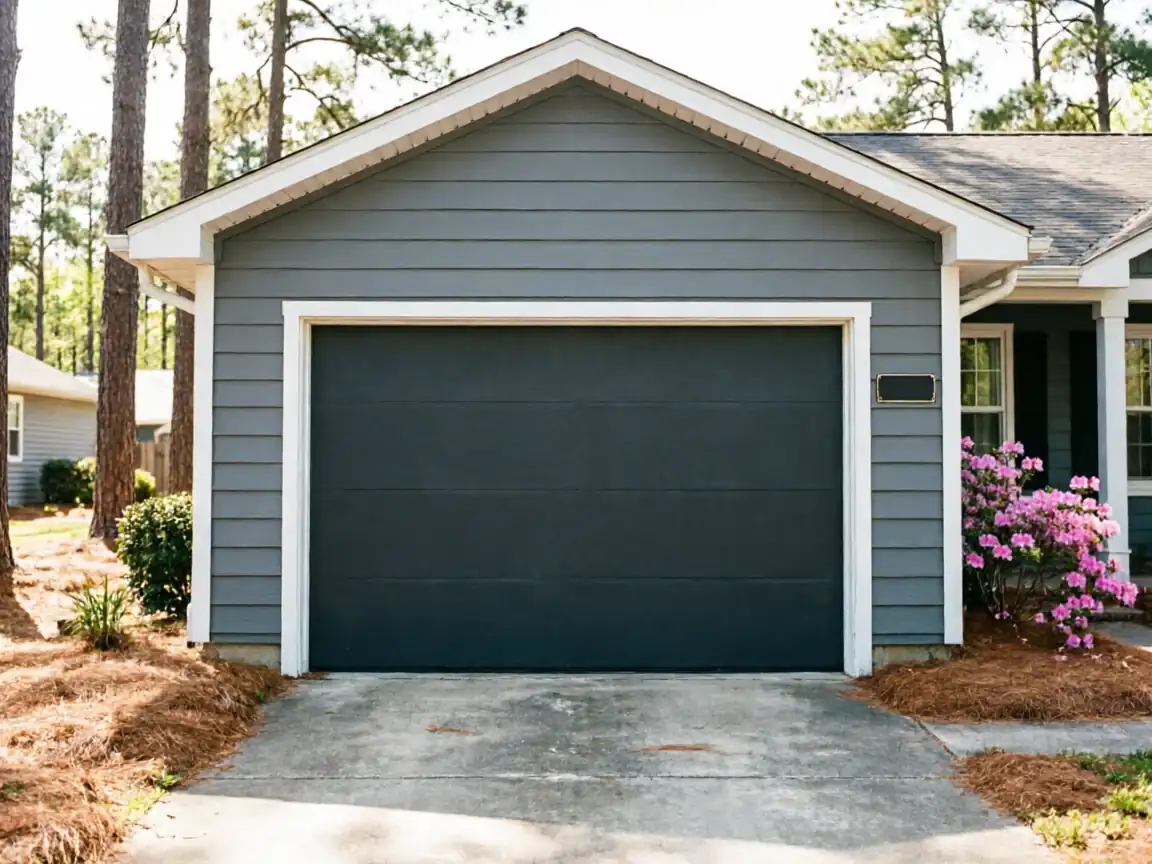
Sectional steelInsulated panelCarriage styleFull-view glassHigh Point garage doorModern flush
Questions
Frequently asked
Straight answers about garage door repair in High Point. Still unsure? Ask us directly.
How old is the average garage door in Jamestown?
Most Jamestown homes were built around 1989, so a door that's original to the house is roughly that old too. At that age, torsion springs are typically past their rated cycle count even if they haven't failed yet, and openers are often a second or third unit already.
Do you have a crew based in Jamestown?
No. We run out of High Point, about 3 miles away. Jamestown is one of the closer towns we cover, so drive time is short, but there's no separate depot or local storefront here - every job gets the same truck and crew that covers the rest of the area.
Why did my spring snap on a cold morning?
Steel springs contract in cold weather, and a spring that already has fatigue cracking from years of cycles is more likely to let go when it's cold than in summer heat. In this climate band, that's a common pattern on older torsion springs, especially ones original to a late-1980s build.
Can you match the track width on an older Jamestown door?
Usually, but not always off the truck. Homes from the 1980s sometimes used a narrower track gauge than what's standard today. If yours is the older style, we may need to order the matching width rather than swap it same-visit - we'll tell you that before starting the job.