High Point homes built mostly between 1976 and 2002 share the same hardware quirks. Here's how to read the grinding, popping, and rattling before it becomes a bigger job.
Most of the houses we work on in High Point and the surrounding stretch
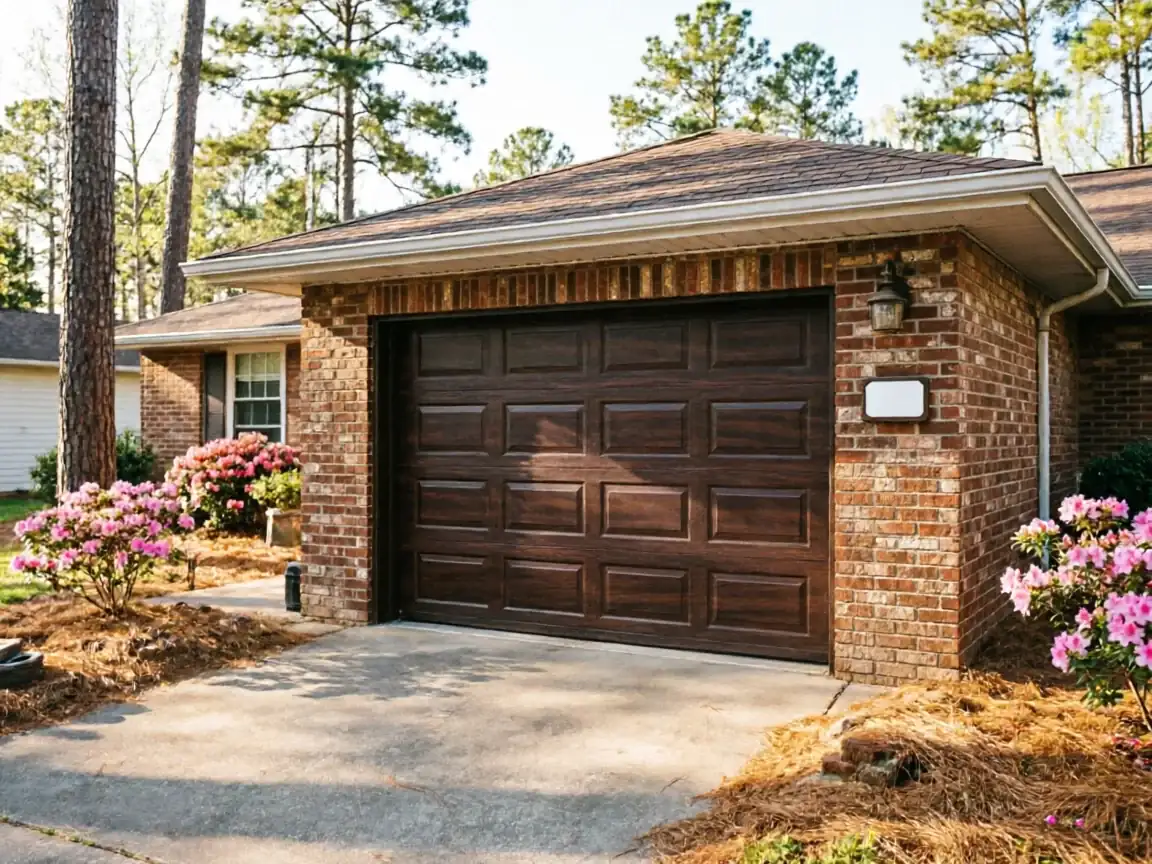
Jamestown, Archdale, Trinity, Thomasville, Kernersville, Wallburg - went up between 1976 and 2002, with the bulk clustered around 1987. That matters for noise because it tells you what's actually inside the header above your car, not just what the door looks like from the driveway.
02
A door from that era usually means torsion spring hardware that's original or one replacement cycle deep
Steel tracks bolted (not welded) to jamb brackets, and rollers that were nylon from the factory but may have been swapped for steel somewhere along the way. All three of those parts make distinct sounds when they wear.
03
We're in a cold-moderate climate band here
Not the deep freeze you'd get further north, but enough temperature swing through the year that steel contracts and expands, lubricant thickens in January, and the slack in a worn roller track shows up as rattle before it shows up as anything else. A door that's dead silent in July and clunks every morning in late winter isn't broken. It's telling you the grease has gone stiff and the metal has pulled tight against itself.
04
This isn't a universal rule of thumb
It's what the age and construction of this housing stock actually does under this climate.
The Problem
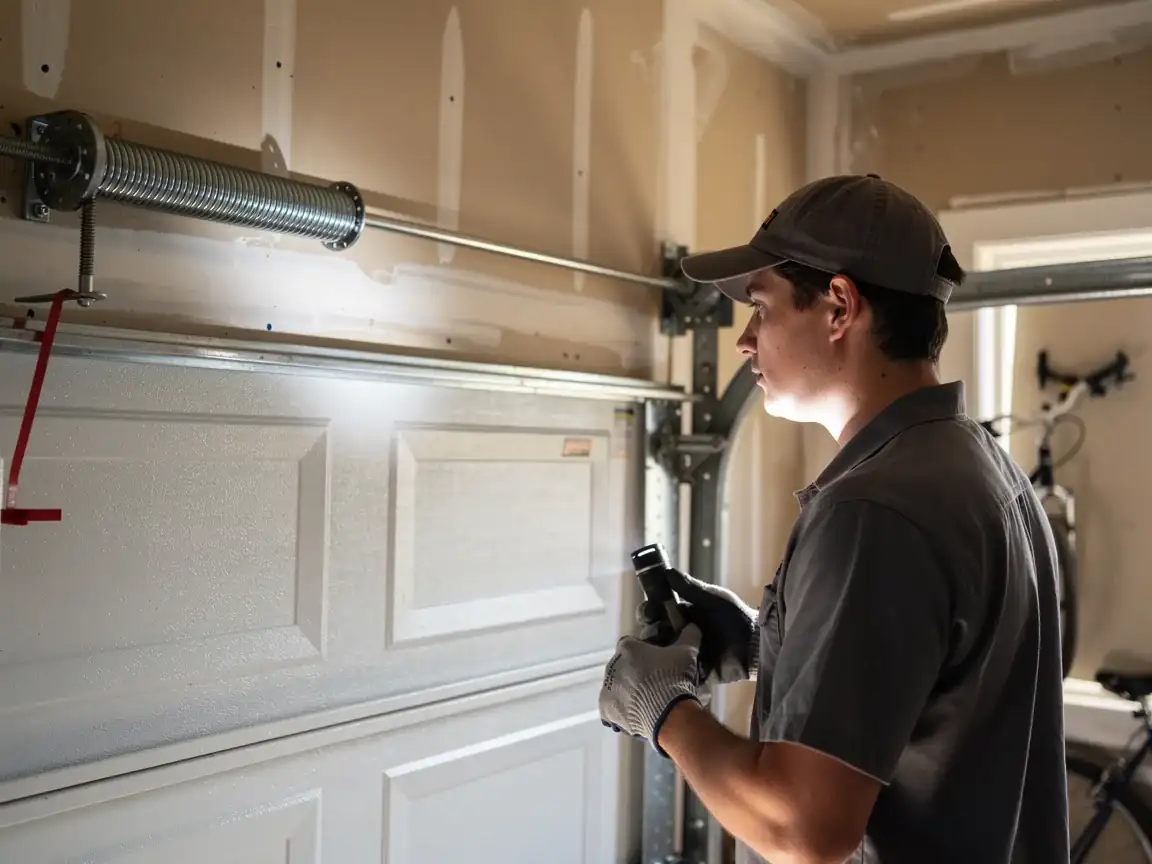
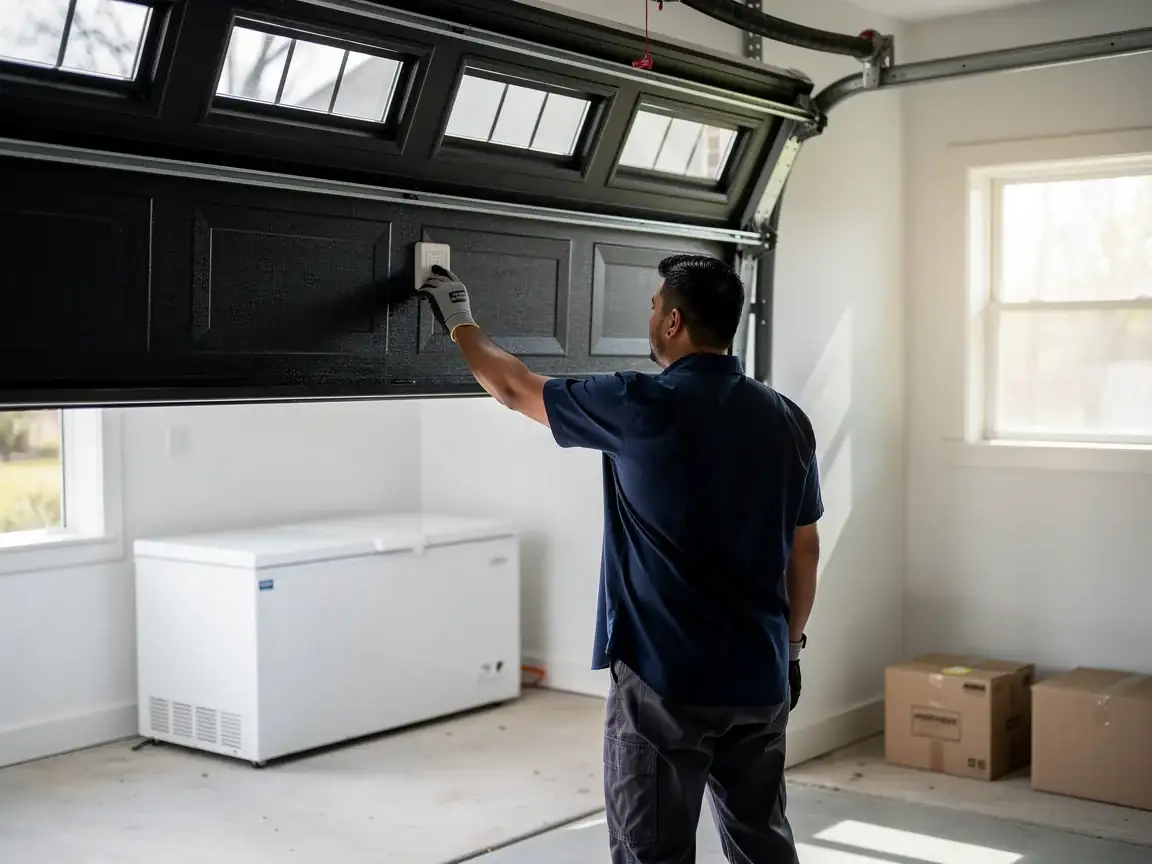
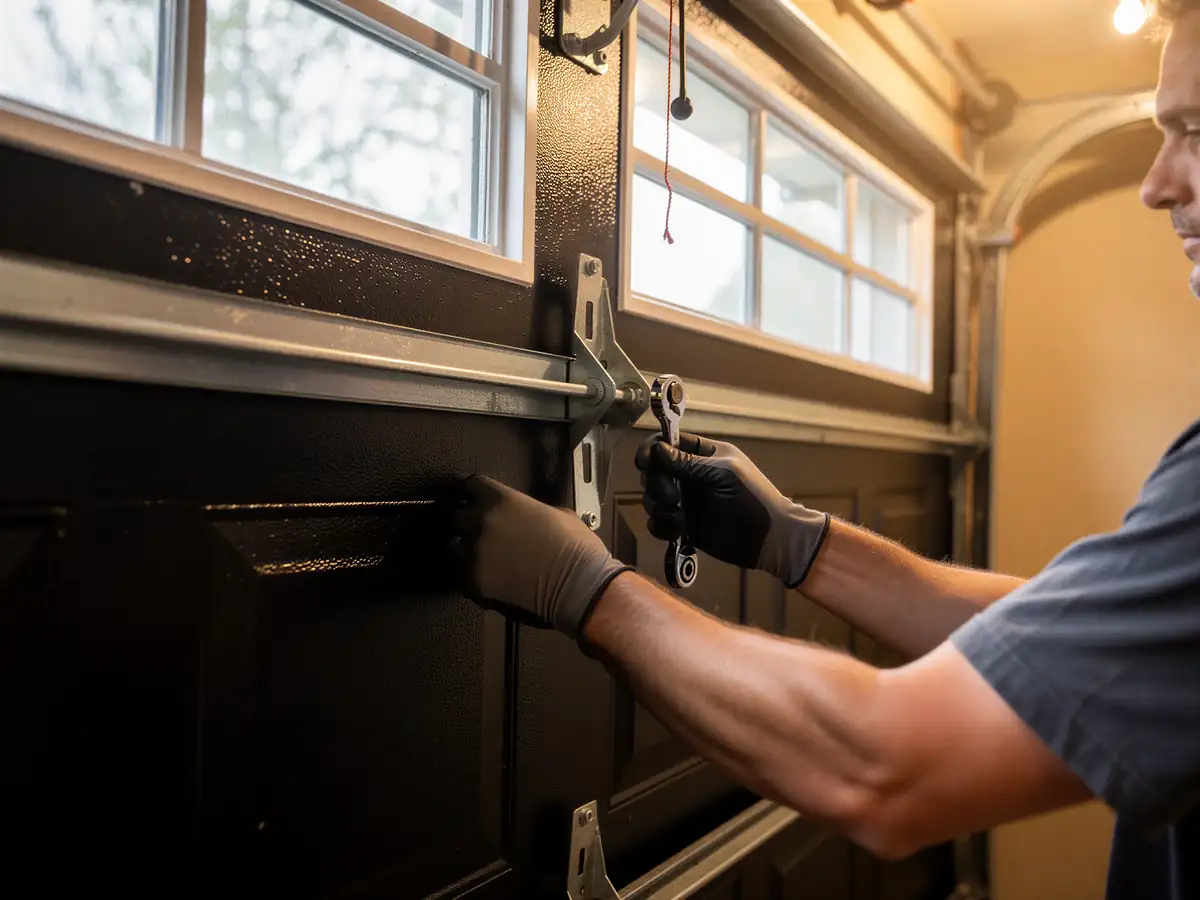
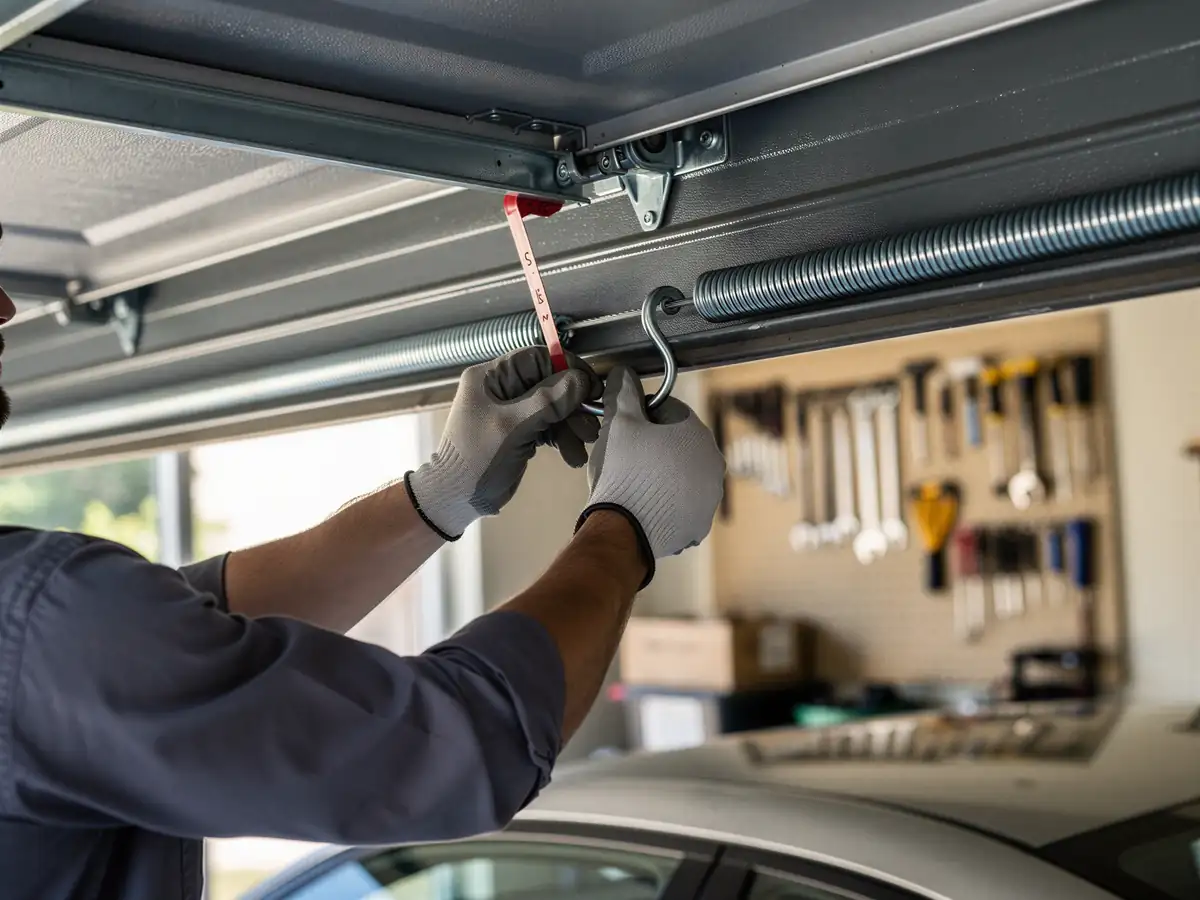
Three sounds cover most of the calls we take. A rhythmic thunk-thunk as the door travels usually means a flat spot on a roller, common on original nylon rollers from a door that's 25-plus years old - which, given the 1976-2002 build window across most of this area, is a lot of doors. A sharp metallic pop, usually once, usually near the top of the door's travel, is almost always a torsion spring reaching a stress point - sometimes the spring is about to go, sometimes it already has and you're hearing the shaft spin freely for a second before it catches.
A low grinding hum that gets worse over weeks is a different animal: it's the opener motor's gear working against resistance it shouldn't have, often because the door itself has gone out of balance and the opener is doing the spring's job as well as its own. That one doesn't fix itself and it doesn't stay cheap the longer you run it that way.
What these three share is a cause rooted in age and use, not in bad luck. A torsion spring on a door installed when the house was new, cycling two or three times a day for three decades, wears out on a schedule. It's not a defect. It's arithmetic.
What It Costs
We're not going to put a number here that doesn't hold up, because it depends on what's actually making the noise and we haven't seen your door. What we can tell you is how the housing stock here shapes the range.
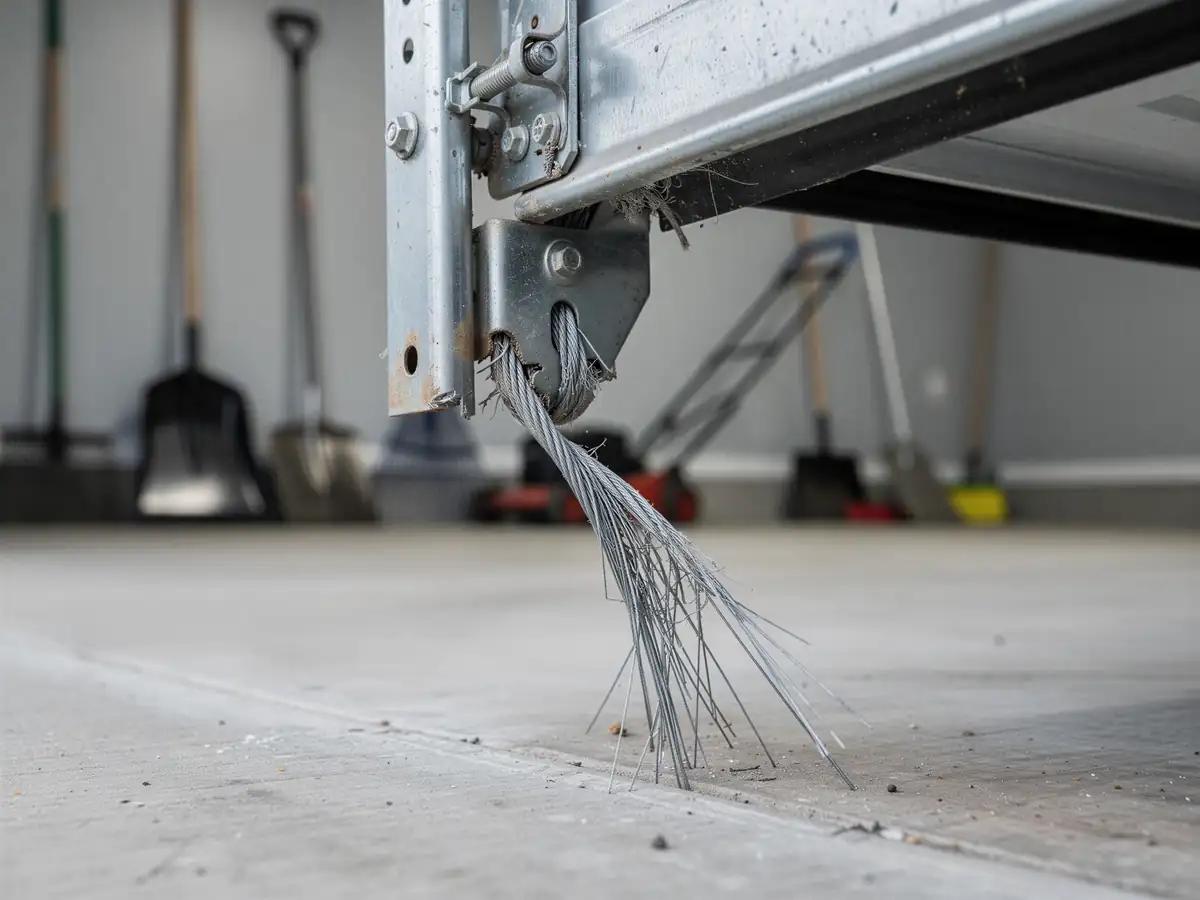
A roller swap is a parts-and-labor job, nothing structural. A torsion spring replacement costs more because it's dangerous to do yourself and because double-door springs on the wider garages common in this era's construction are heavier and pricier than single-door springs. An opener gear or belt is its own separate repair, unrelated to the springs even though the symptoms can sound similar from inside the house.
The honest limitation: we won't quote a firm number over the phone for a noise complaint alone, because the same clunk can mean a $20 roller or a spring job that's several times that. We'll tell you the range once we've looked at it, not before.
When It Stops Being a DIY Job
01
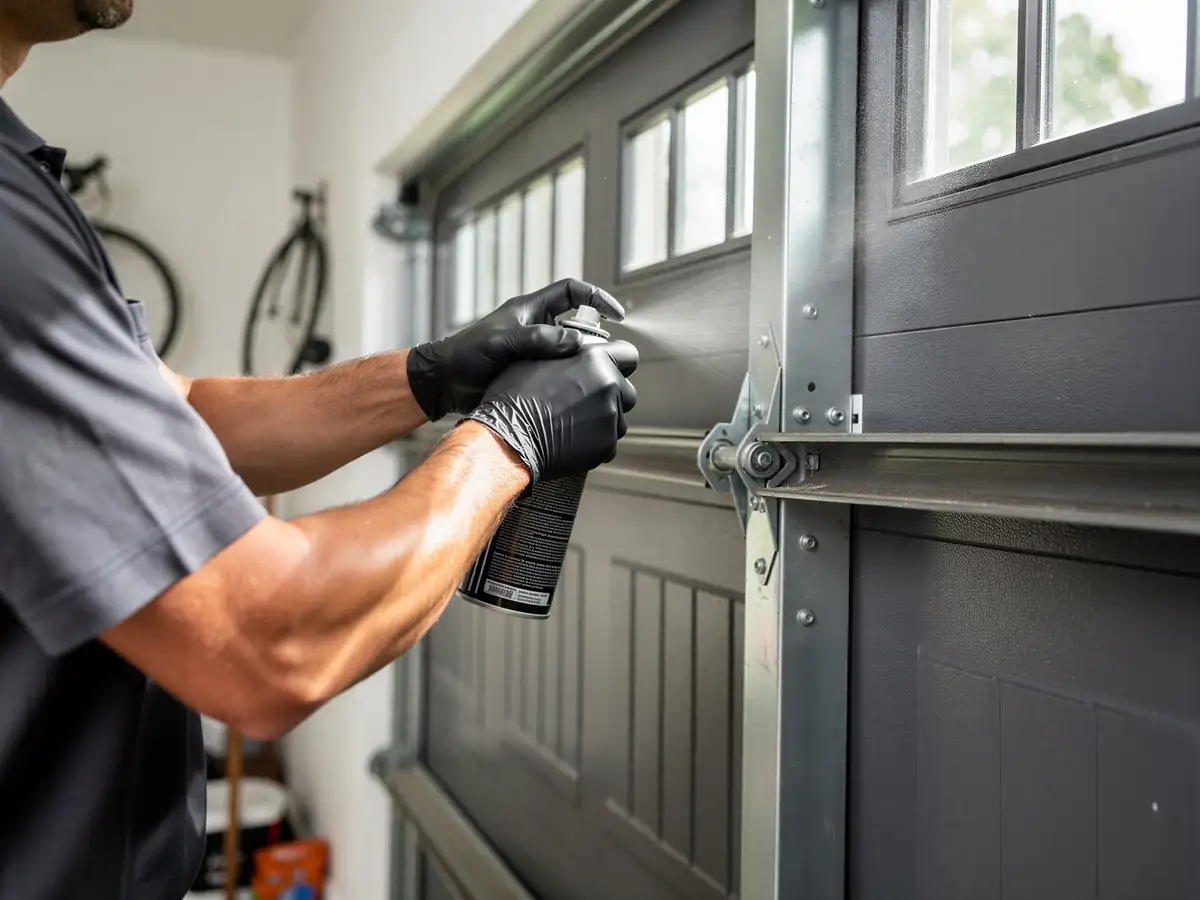
Lubricating hinges and rollers is fair game for an owner
A dry, quiet door is often just a door that hasn't been greased since it was installed sometime in the 1980s or 90s. That's a ten-minute job with the right spray.
02
Torsion springs are not a DIY repair, full stop
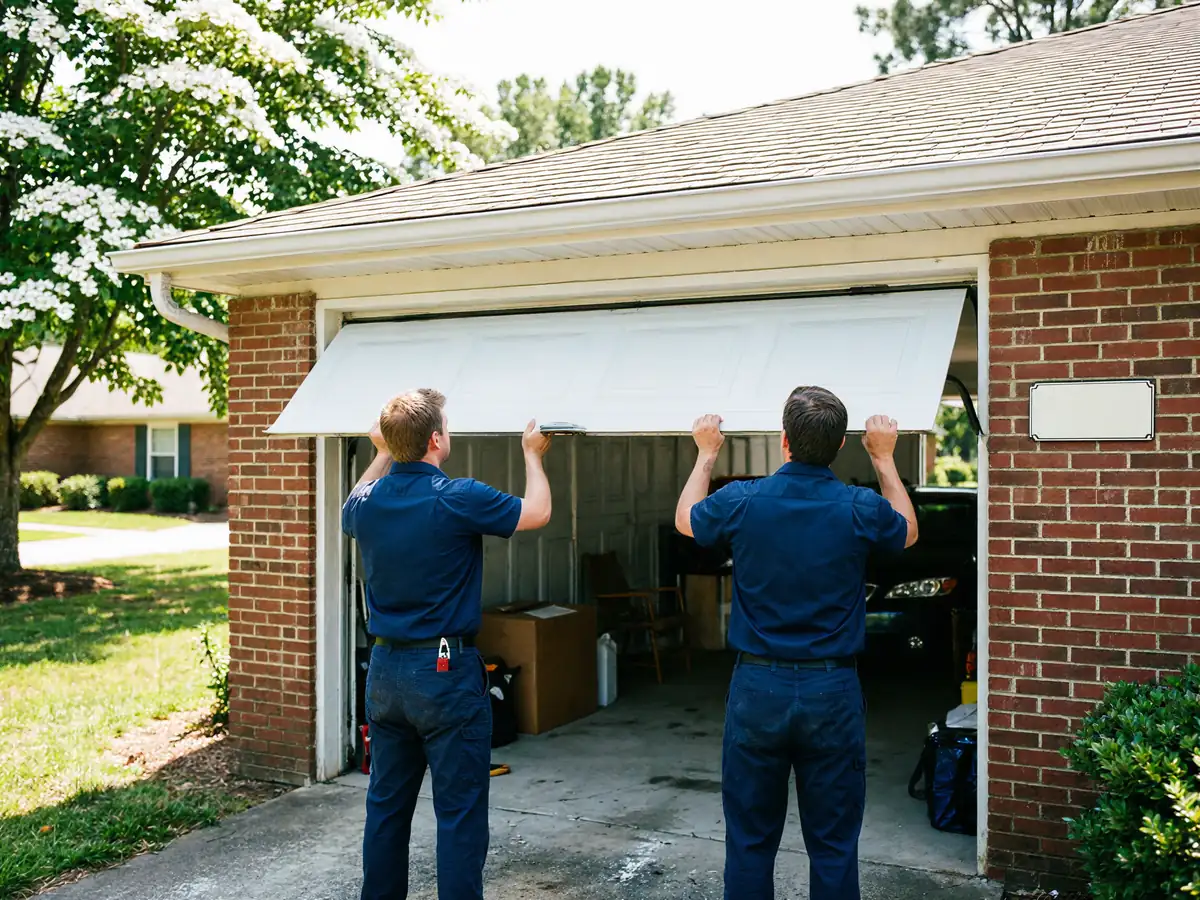
They're wound under enough tension to break bones, and on the double-wide doors common in houses built for this area's household sizes, that tension is higher, not lower. If the noise is a pop followed by the door feeling heavy or refusing to stay up on its own, stop opening it by hand and call someone.
03
If the opener is grinding and straining, don't keep running it to see if it clears up
A motor fighting an out-of-balance door burns out faster than people expect, and by the time it quits you're often paying for the opener and the spring job together instead of just the spring job.
How it works
From “it’s stuck” to “it’s fixed”
01
Tell us what’s wrong
Describe the symptom - won’t open, loud bang, opener runs but the door won’t move.
02
On-site diagnosis
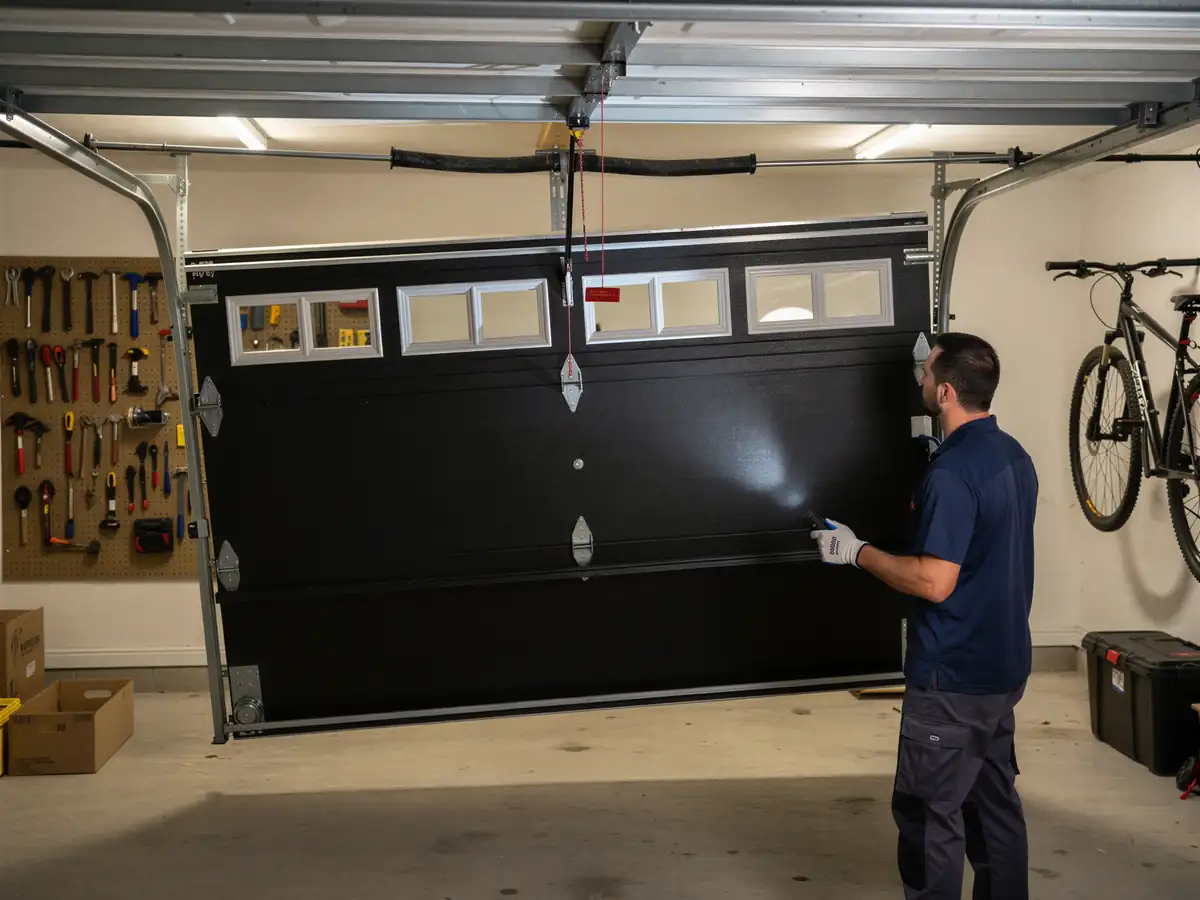
A technician tests the door under power and by hand and finds what actually failed.
03
Clear, up-front plan
You get the fix that’s needed and what drives the cost - before any work starts.
04
Repaired & tested
The repair is done, the door is set true and tested, and the work area left clean.
Not sure which repair your door needs in High Point, NC? Describe what it’s doing - every job starts with a diagnosis.
Straight answers about garage door repair in High Point. Still unsure? Ask us directly.
Why does my garage door only make noise in the winter?
Cold-moderate winters here thicken old lubricant and tighten steel tolerances slightly. A roller or hinge that's quiet in summer can start rattling or squeaking in January simply because the grease isn't flowing the same way. It's usually not a new problem - it's an old one the cold is exposing.
Is a popping sound always a broken spring?
Not always, but it's the most common cause, especially on doors installed when the house was built sometime between 1976 and 2002. A single loud pop near the top of travel is a classic sign. If the door suddenly feels heavy to lift by hand afterward, treat it as a spring issue and stop using the opener until it's checked.
Can I grease the noise away myself?
Sometimes, yes. Hinges, rollers, and the track itself benefit from a proper lithium or silicone-based garage door lubricant, not WD-40. If the noise goes away after lubricating and stays away, you were dealing with dry metal, not a worn part. If it comes back in a week, something's actually worn.
How do I know if it's the opener or the door itself?
Disconnect the opener using the manual release and lift the door by hand. If it's heavy, uneven, or hard to control, the problem is the door - likely the springs. If it lifts smoothly by hand but still grinds through the opener, the gear or belt inside the opener unit is the more likely cause.