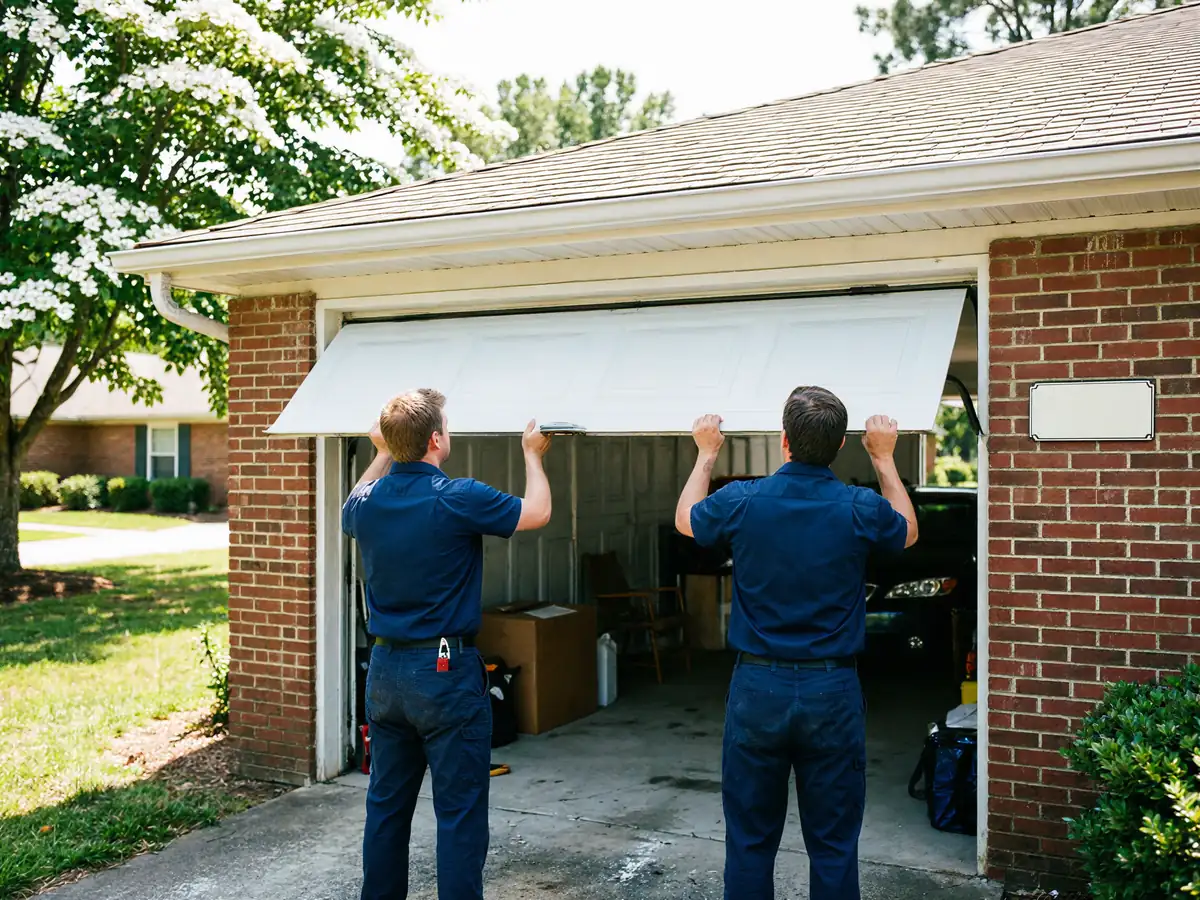
Garage Door Repair for High Point's 1980s and 90s Housing Stock
Garage door repair for High Point homes built 1976-2002, where original openers and torsion springs are now hitting 30-40 years of winter use. Same service area, real fix.
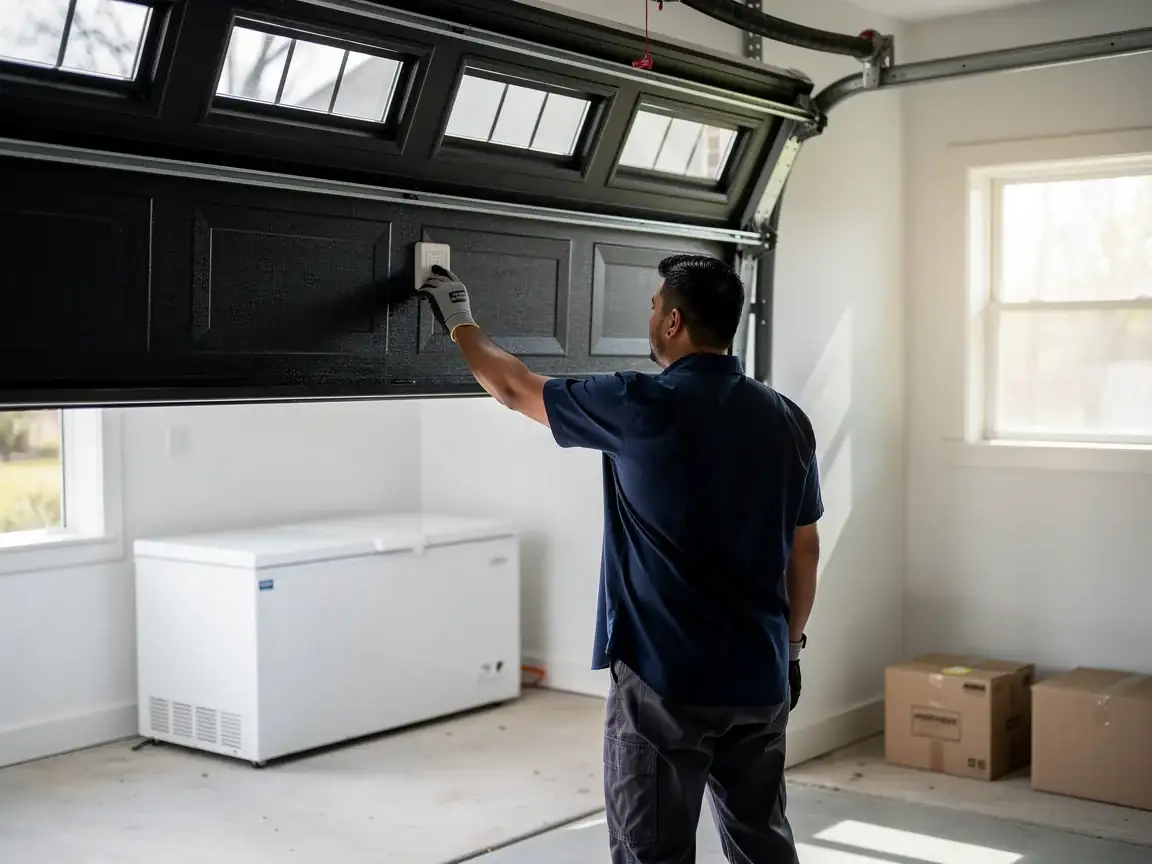
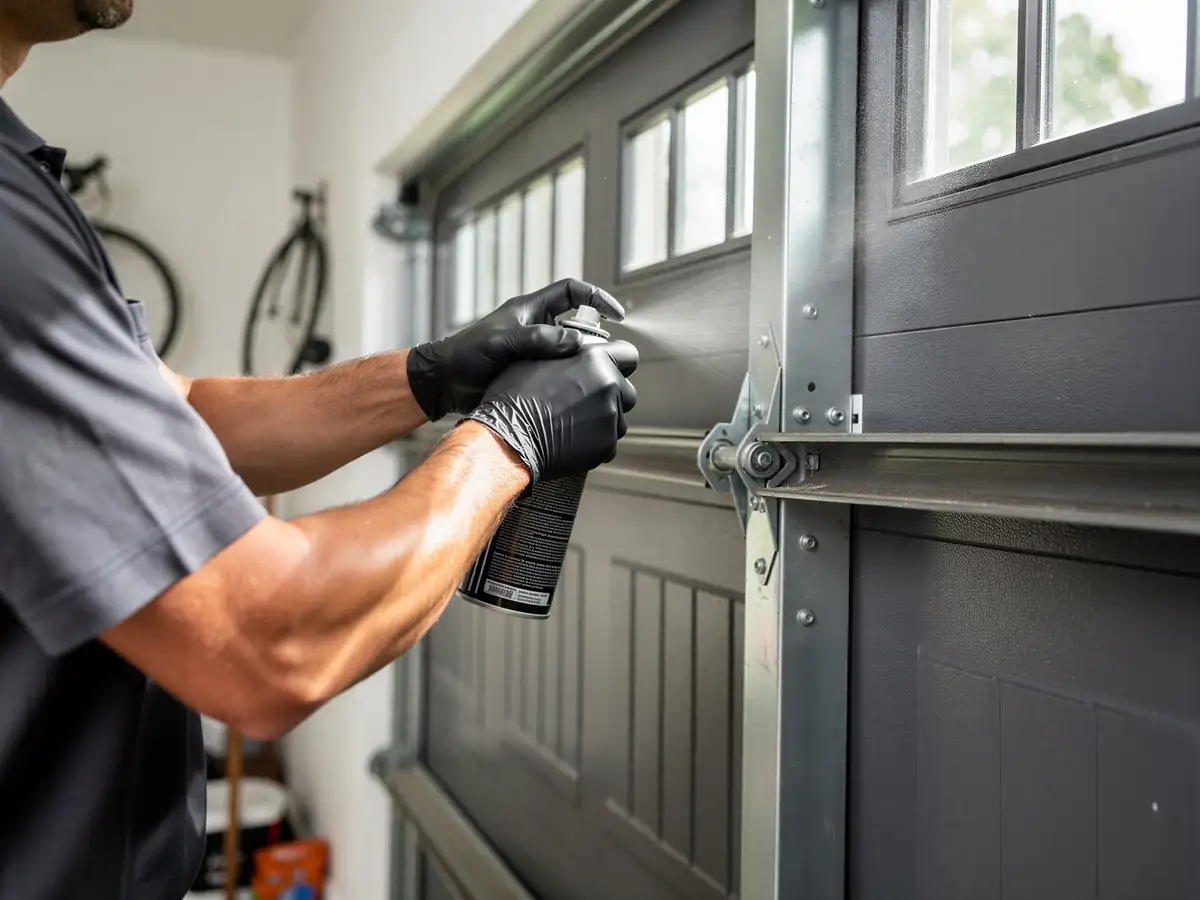
If your opener remote stopped working or the photo-eye sensors at the bottom of the track got knocked out of alignment, you can usually fix that with a screwdriver and ten minutes. Lubricating hinges and rollers is a job any homeowner can do twice a year.
02
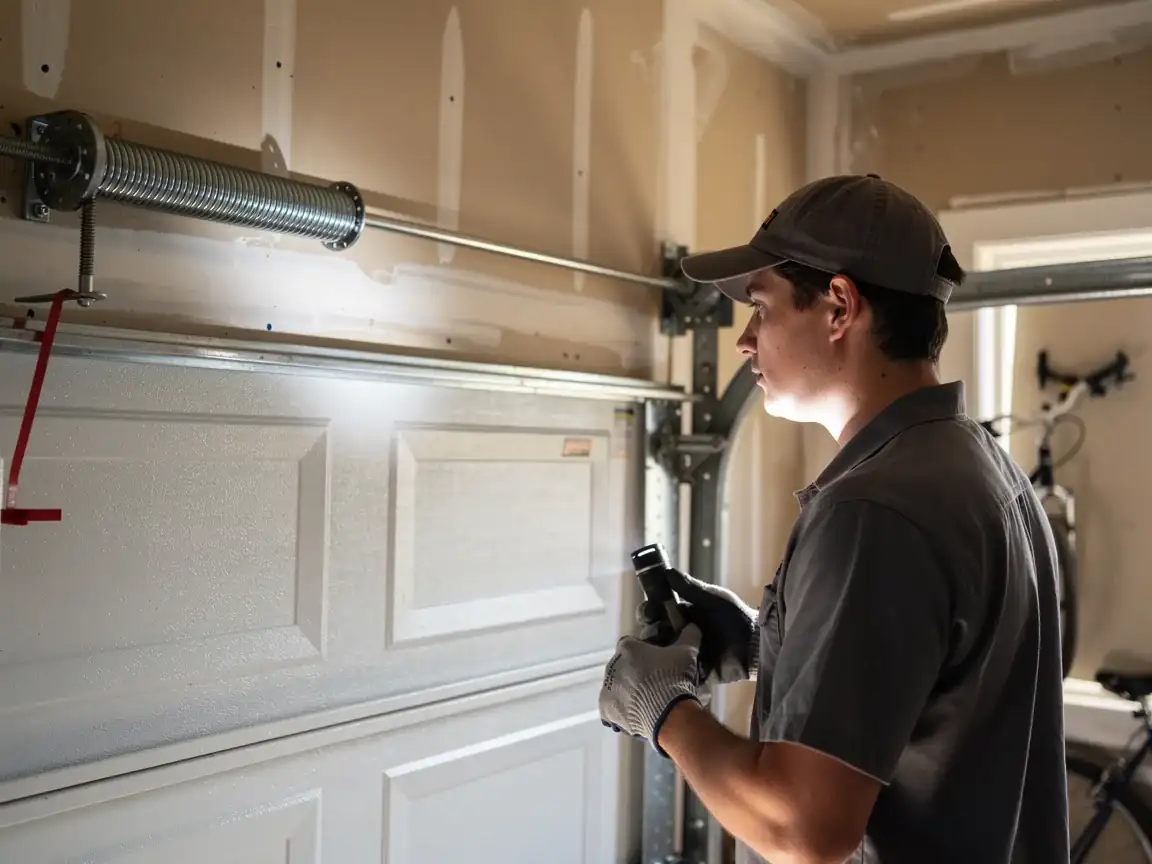
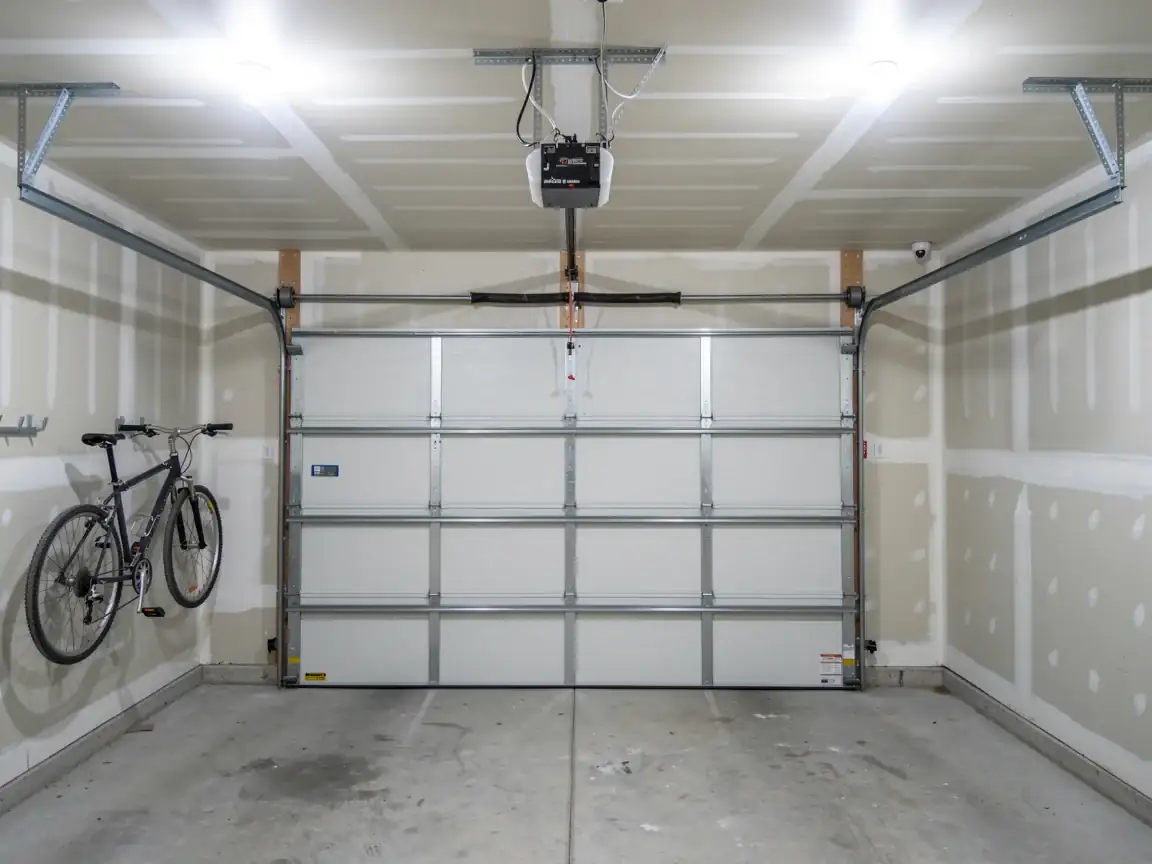
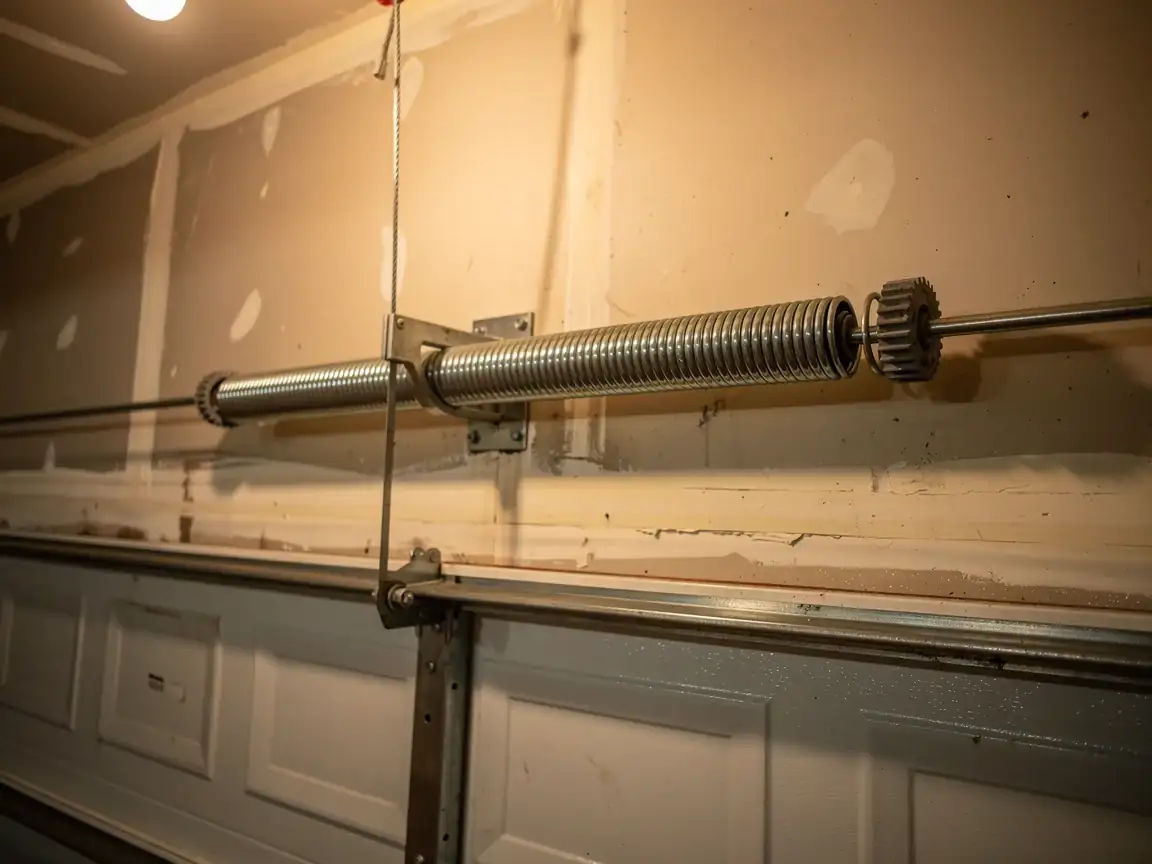
What you shouldn't touch is the torsion spring above the door
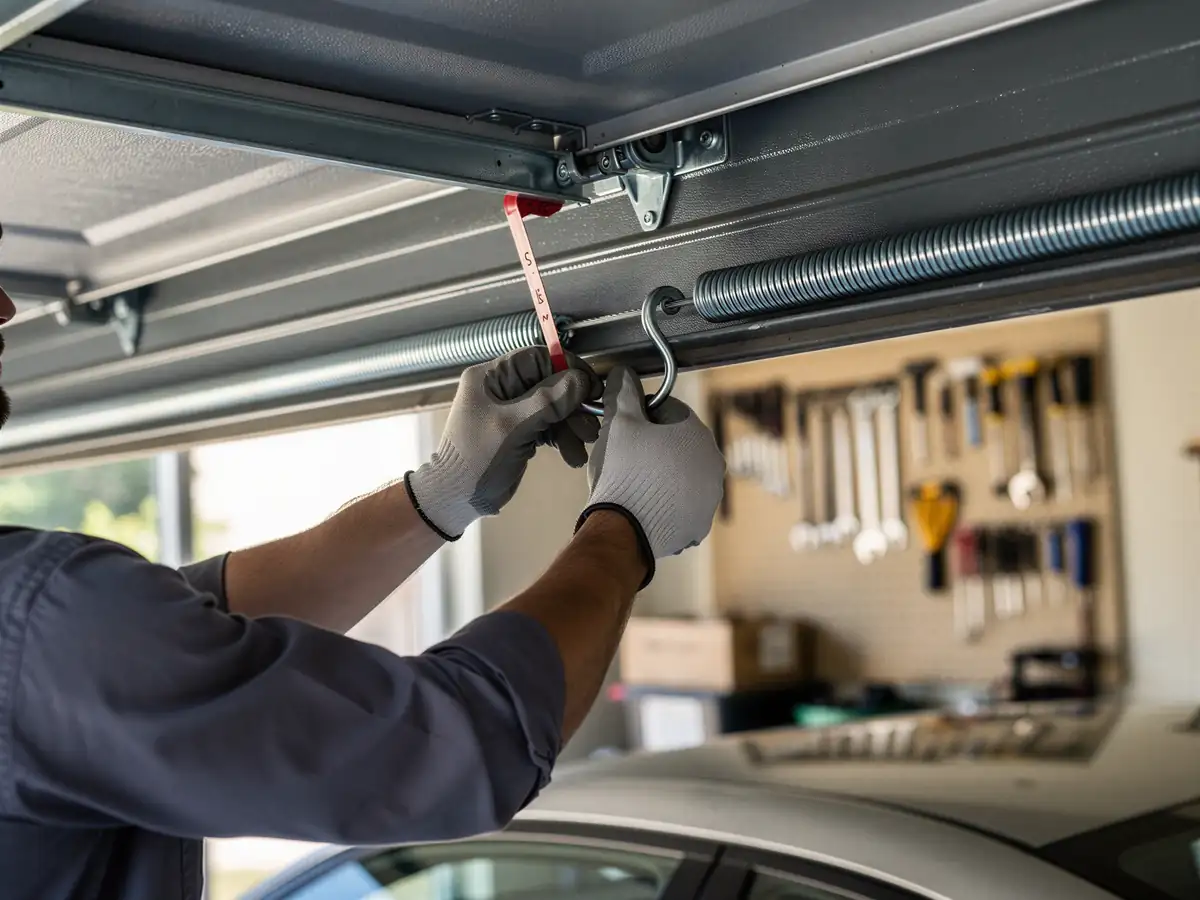
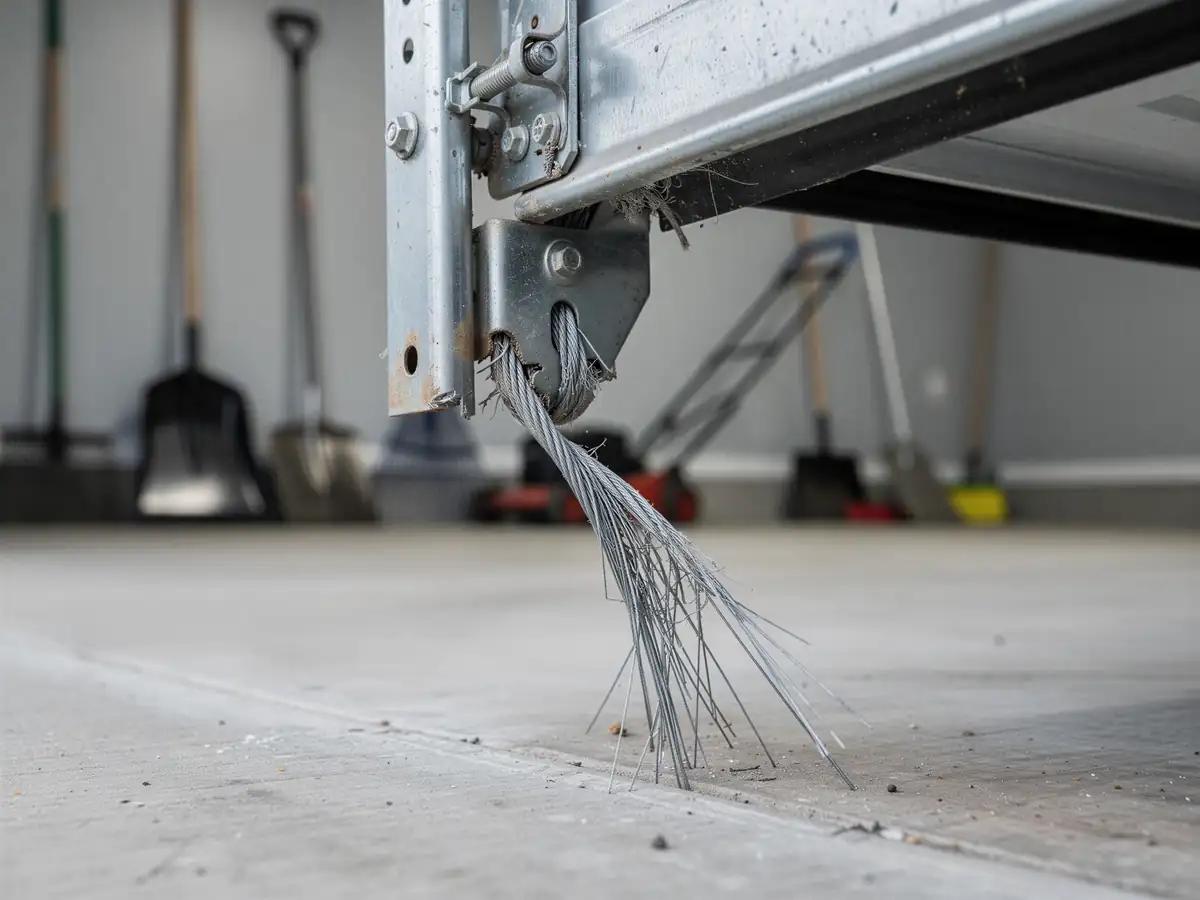
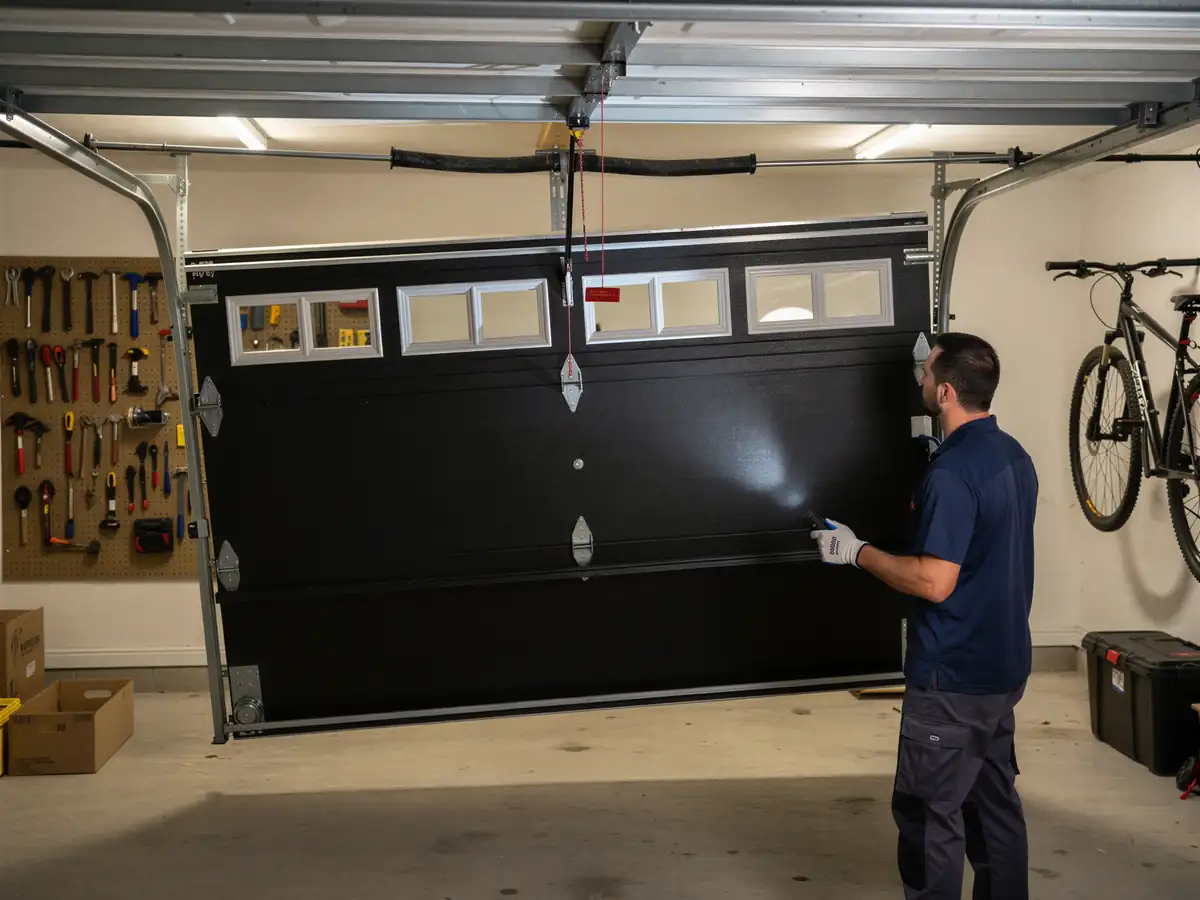
Or the cables running down either side of the track. Those are under enough tension to break a bone or worse, and a lot of the doors on 1980s and 90s-built High Point houses are still running their original spring sets - meaning the metal has had three to four decades of winter contraction and summer expansion working against it. If the spring looks stretched, has a visible gap in one of its coils, or the door feels heavy to lift by hand with the opener disconnected, stop and call it in. That's not a DIY repair, it's a shop call.
03
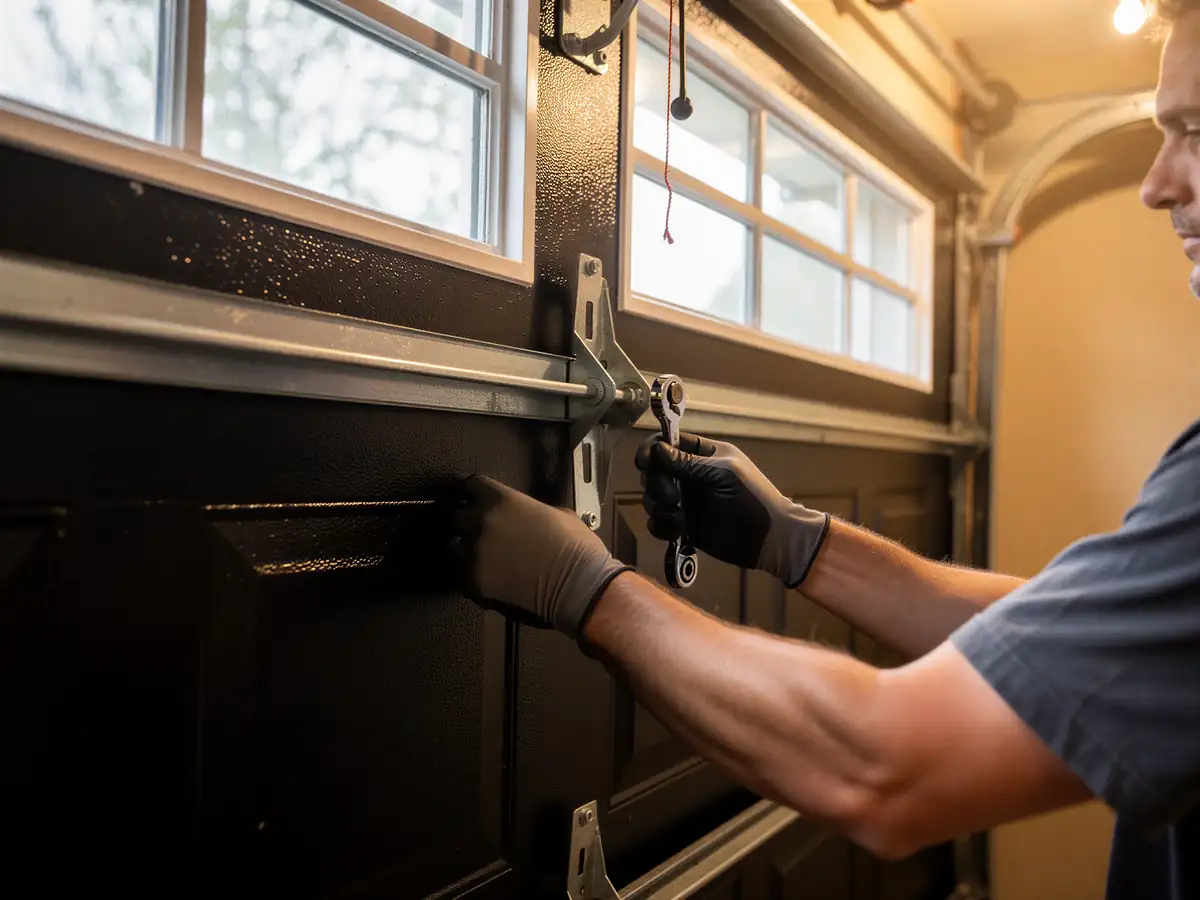
Same goes for bent track or a panel that's pulled away from its roller bracket
You can diagnose it. You shouldn't be the one under it with a ratchet.
The Symptom
The complaint we hear most from this area is the door that groans, hesitates, or reverses partway up - usually worse on the first cold morning of the week. That pattern lines up with the housing here: most of High Point's stock, across the neighborhoods we work in, went up between 1976 and 2002, with the bulk clustered in the 1980s and 90s. Openers and torsion springs from that era were built to a 10-15 year service life, not a 30-40 year one, and a lot of them are still in service because nothing failed outright - they just got slower.
In a moderate cold climate like this one, steel contracts in the overnight lows and the torsion spring's coil tension drifts slightly tighter than it was set, which is why the door strains on the first lift of the day and loosens up by afternoon. It's not your imagination and it's not the opener's logic board failing - it's thirty-year-old steel doing what thirty-year-old steel does in a cold snap.
If you're also hearing a grinding or popping sound as the door passes the halfway point, that's usually a roller, not the spring, and it's a cheaper fix.
Getting It Booked In
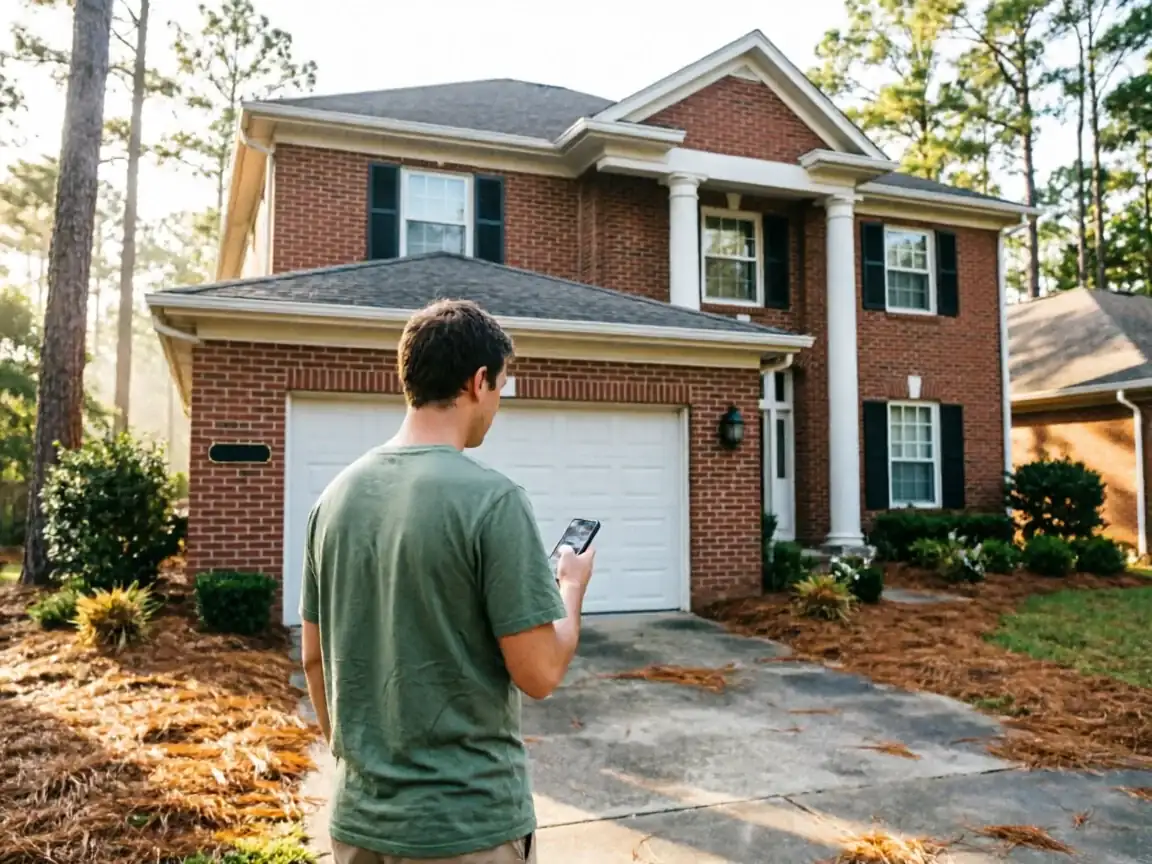
Tell us the year your house was built if you know it, or roughly when you moved in - for a lot of the 13 areas we cover around High Point, that one detail tells us whether we're likely looking at original 1980s-era hardware before we even pull up. It saves a diagnostic trip.
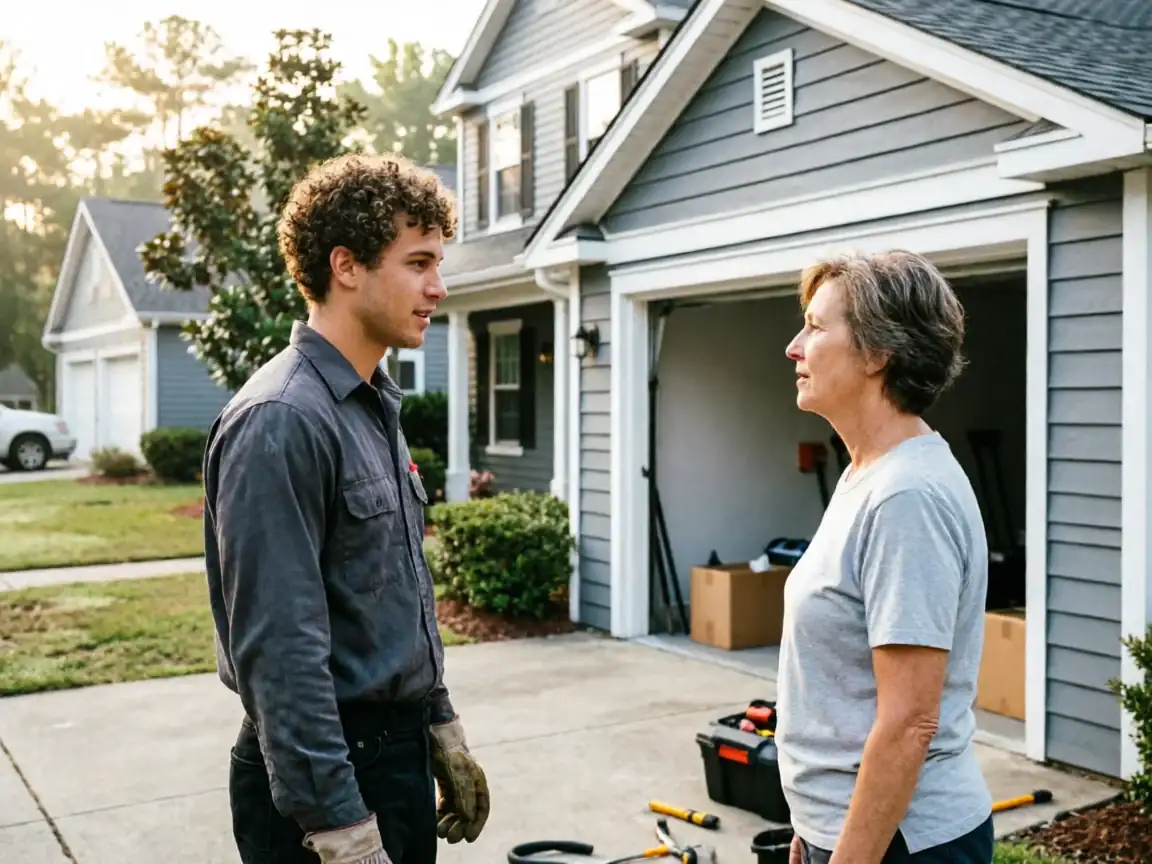
We'll also ask whether the door is still moving at all, or stuck. A door that's stuck shut with the spring broken is a same-day priority because it usually means a vehicle or a room is locked behind it. A door that's just slow or noisy can wait for a scheduled slot.
One limit worth being upfront about: if your opener or spring is a less common size or an older imported brand, parts can take a few extra days to source. We'd rather tell you that before the job than after.
Why This Fails Locally
01
This isn't a generic wear-and-tear story
It's specific to what got built here and when. Across the 13 named areas in our service radius - from Jamestown and Archdale in close, out to Thomasville, Kernersville, and the farther edges like Randleport and Stokesdale - the housing is overwhelmingly 1980s and 90s construction, with a build window running 1976 to 2002. That means a huge share of garage doors in this market are on their original torsion spring and often their original chain-drive opener, neither of which was designed to last this long.
02
Pair that housing age with a moderate cold climate
Real winter lows, not extreme, but enough freeze-thaw cycling every year - and you get metal fatigue that shows up exactly the way we described above: morning stiffness, uneven lift, a spring that's lost its factory tension. A newer build in a mild climate wouldn't show this pattern nearly as often. Here, it's close to routine.
03
With close to 28,580 owner-occupied houses in the broader service area
This is not a rare call for us. It's the single most common reason the phone rings in the colder months.
28,580 owner-occupied
How it works
From “it’s stuck” to “it’s fixed”
01
Tell us what’s wrong
Describe the symptom - won’t open, loud bang, opener runs but the door won’t move.
02
On-site diagnosis
A technician tests the door under power and by hand and finds what actually failed.
03
Clear, up-front plan
You get the fix that’s needed and what drives the cost - before any work starts.
04
Repaired & tested
The repair is done, the door is set true and tested, and the work area left clean.
Not sure which repair your door needs in High Point, NC? Describe what it’s doing - every job starts with a diagnosis.
Straight answers about garage door repair in High Point. Still unsure? Ask us directly.
Why does my garage door only stick in the morning?
Overnight cold causes the torsion spring's steel to contract slightly, tightening its coil tension just enough to make the first lift of the day harder. By afternoon, once the garage warms a bit, the door usually loosens up. It's a sign of spring age, not a sign the opener is dying.
My house was built in the 1980s - is my opener original?
It's possible. A lot of houses in this area date to that build window, and we still find original chain-drive openers and torsion springs in service well past their intended lifespan. Tell us the build year when you call and we can usually tell you what to expect before we arrive.
Is it cheaper to replace the spring or the whole door?
Depends on the door's condition otherwise. If the panels and track are sound, a spring replacement is the cheaper fix by far. We only recommend a full door replacement when the panels are warped or the track damage goes beyond a spot repair.