Is Your High Point Garage Door Worth Fixing, or Done
Most High Point houses went up between 1976 and 2002. Here's how that age and our cold-moderate climate decide whether your garage door is worth repairing.
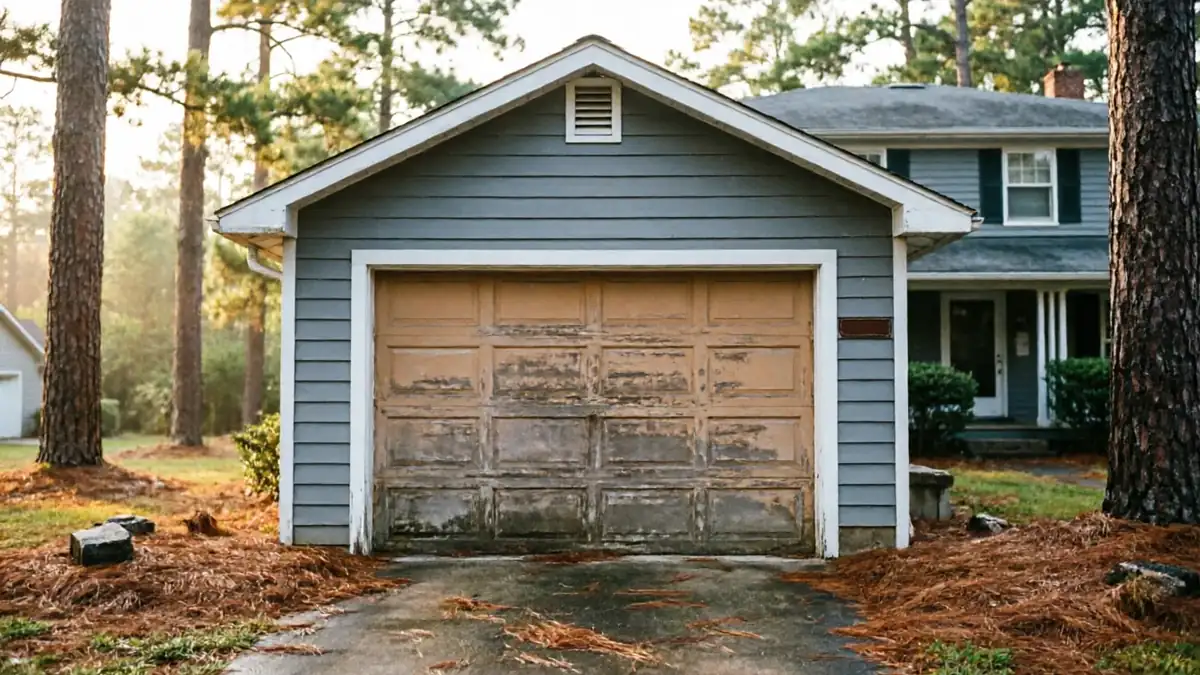
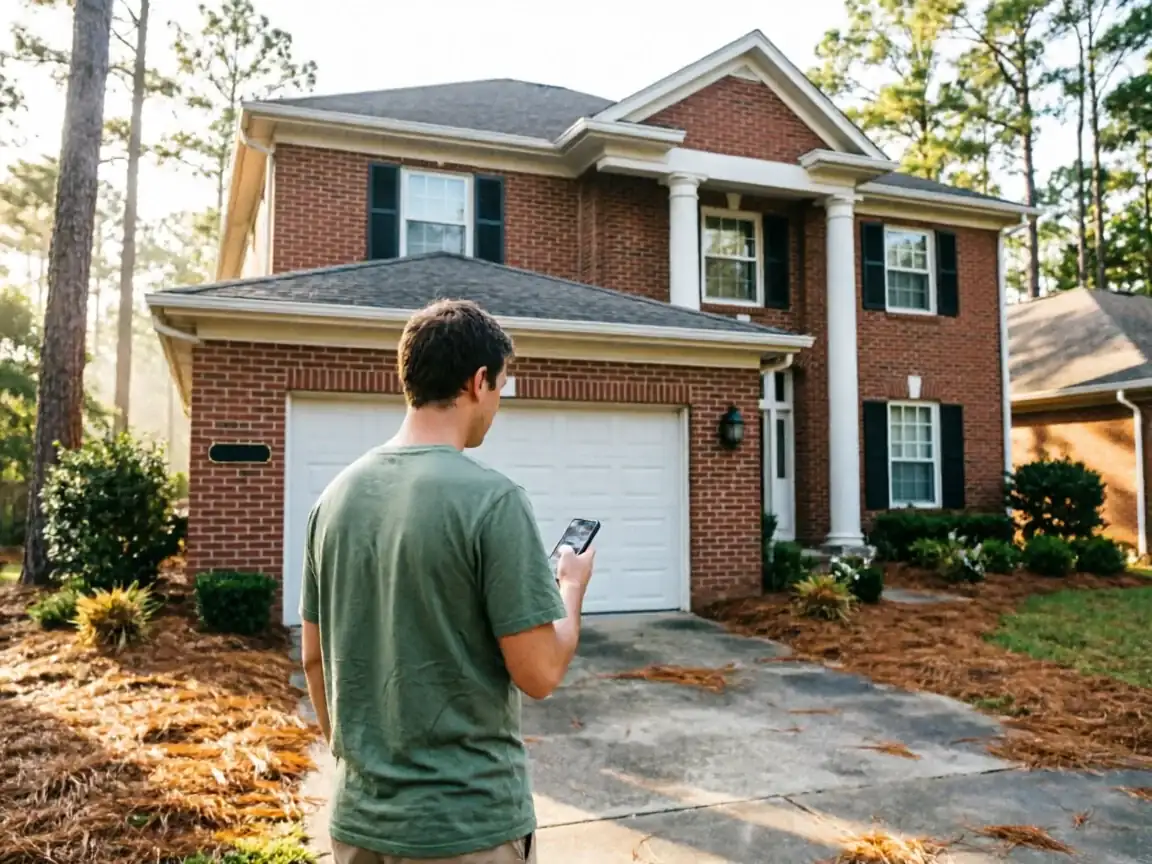
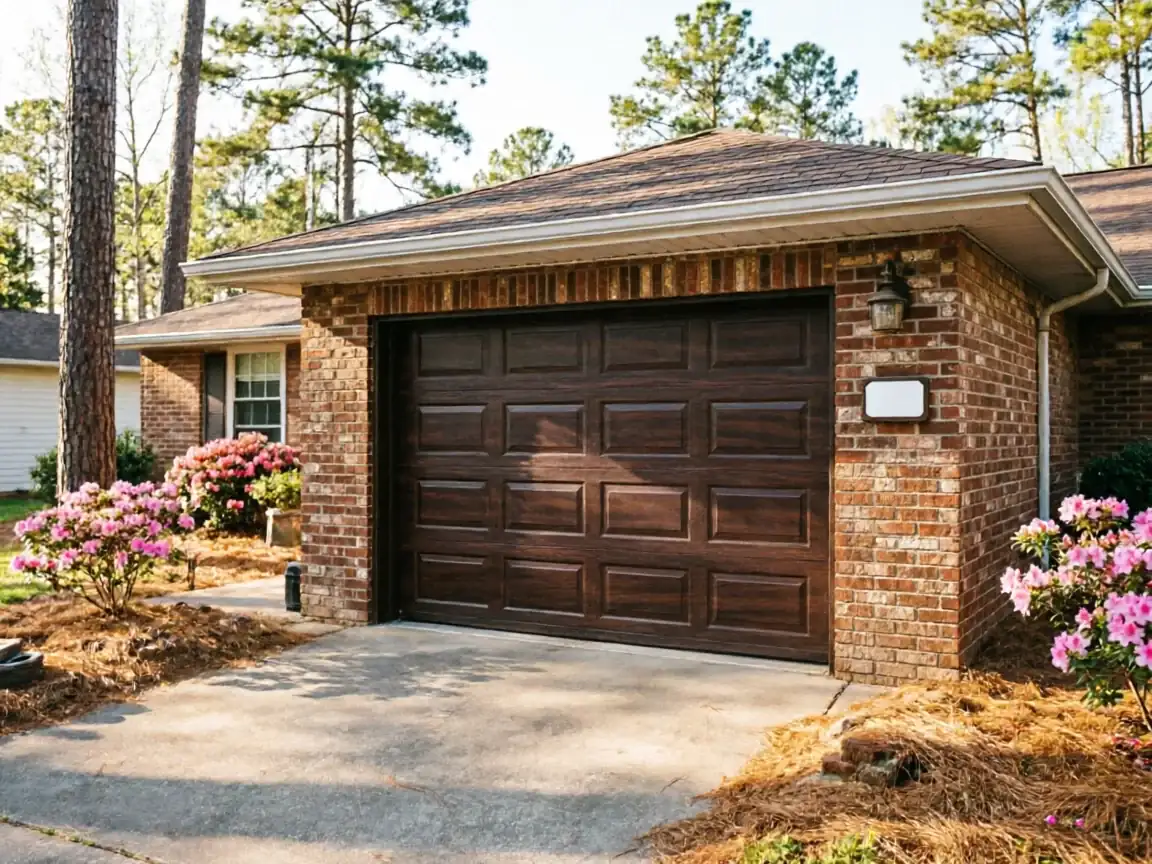
Most of the housing across High Point and the surrounding thirteen named areas went up between 1976 and 2002, with the bulk of it dating to the 1980s and 90s. That matters because doors and openers from that build era are now 25 to 45 years old if they've never been replaced - past the design life of the springs, rollers, and most chain-drive openers that came standard back then. We're in a cold-moderate climate band here, not the Deep South and not New England, which means your door deals with real freeze-thaw swings each winter but not the extreme cold that cracks steel panels outright. What it does mean: condensation inside an unsealed garage, slow rust creep on tracks and hinges, and grease that stiffens up on cold mornings and makes an aging opener strain harder than it should. On a 35-year-old door, that extra strain is usually what finally snaps a spring or burns out a motor, not any single dramatic event. If your house falls into that 1976-2002 build window, the hardware under your door was likely never upgraded, and that's the first thing worth checking before you decide repair or replace.
The Problem
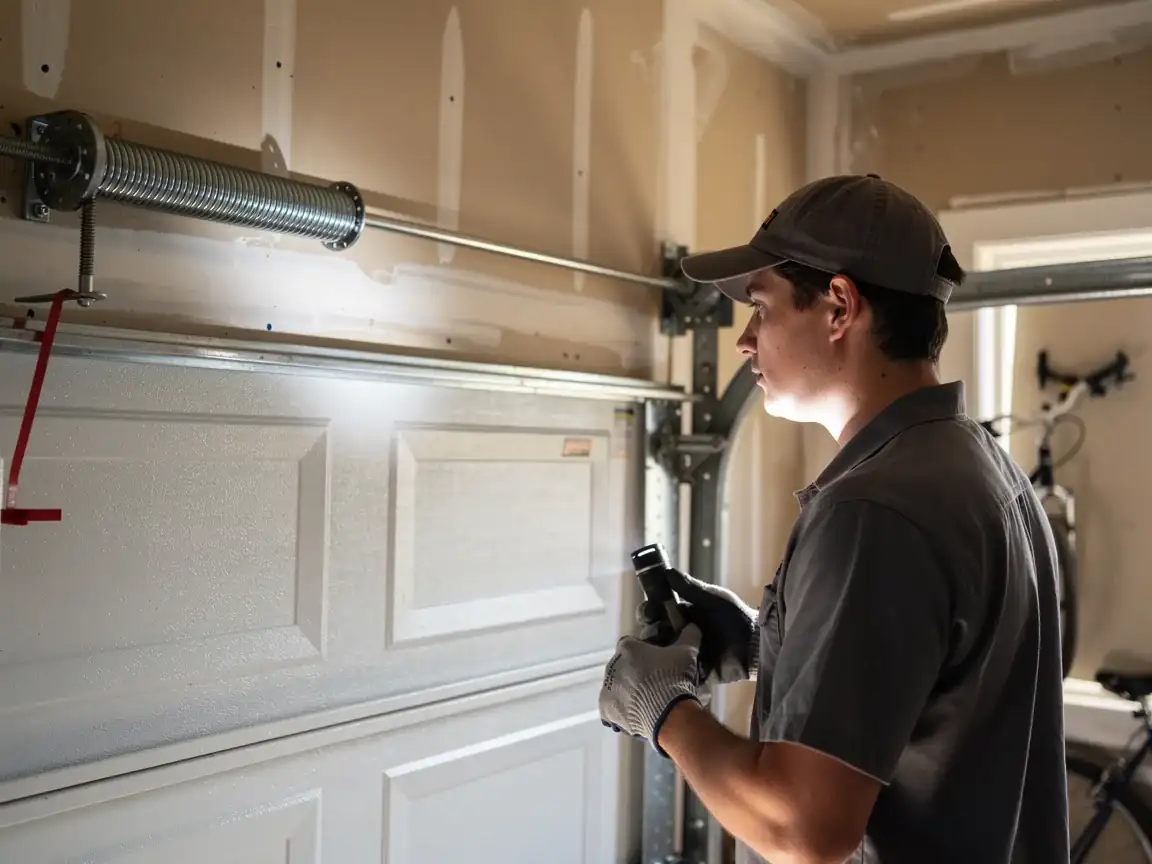
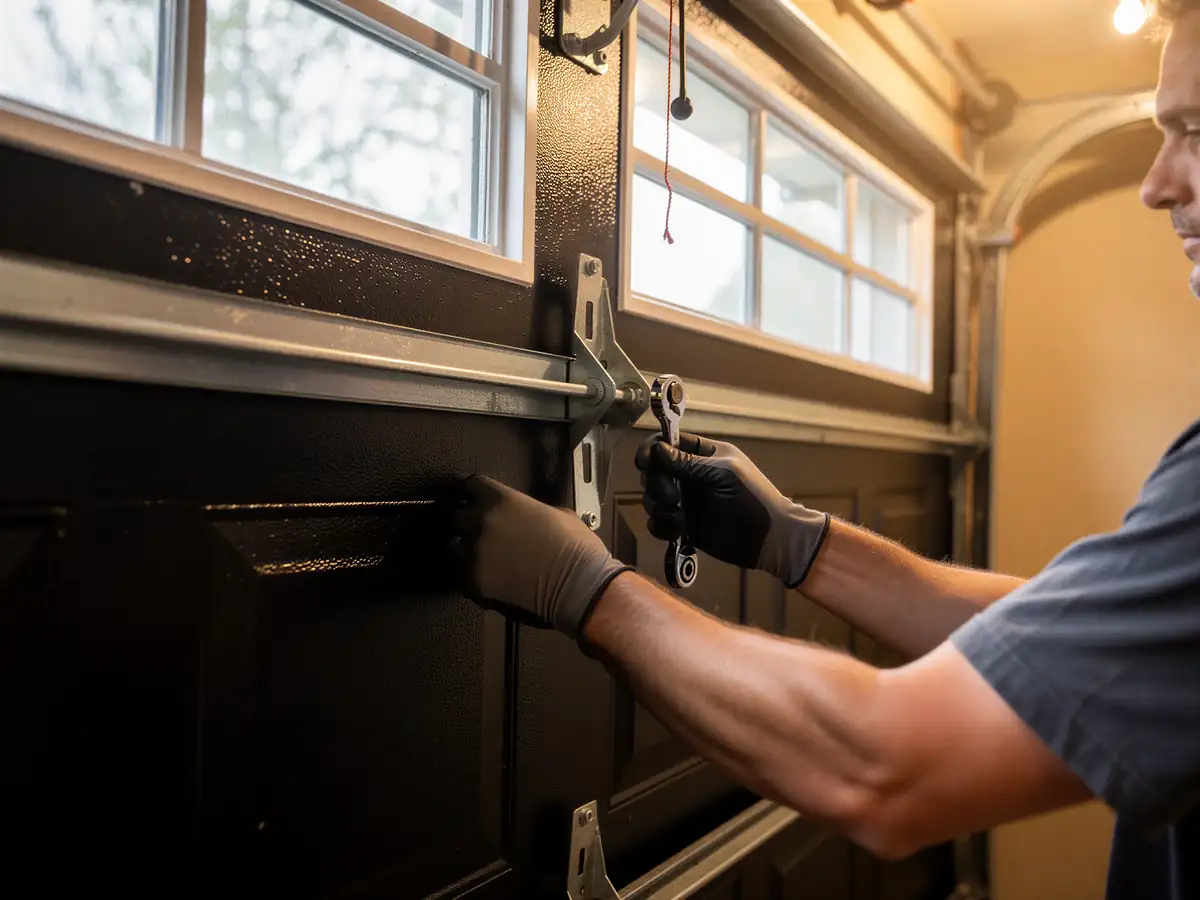
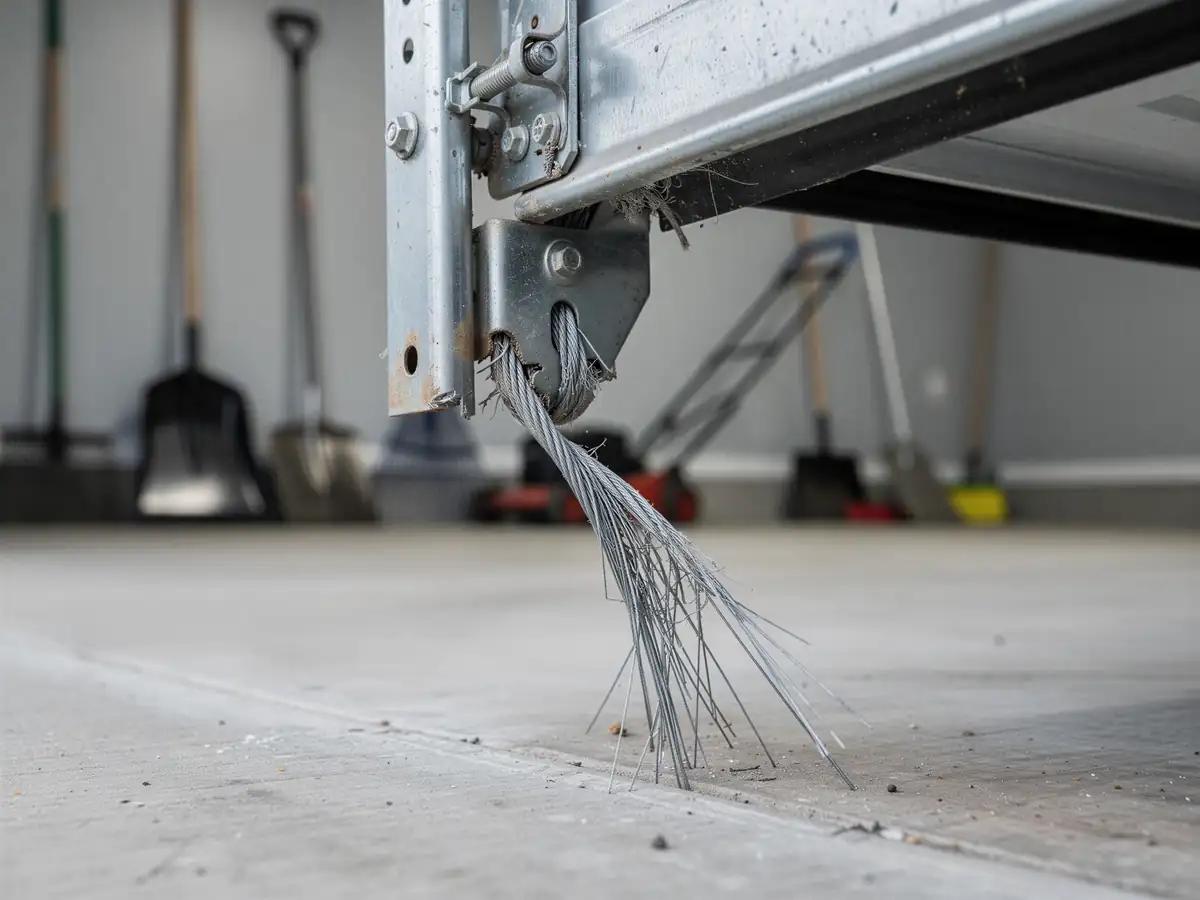
The actual problem is rarely the door panel itself. Steel and wood panels from this era mostly hold up fine if they haven't been dented or weren't poorly stored before install. What fails first is everything mechanical: torsion springs rated for roughly 10,000 cycles that have quietly done their job for three decades, rollers that have worn their bearings out, and openers with drive gears that strip once a spring starts losing tension and makes the motor do extra work. On original 1980s and 90s installs we still see in the Jamestown, Archdale, and Trinity-adjacent neighborhoods, a lot of that original hardware was never touched after install. So when a homeowner calls about a door that's suddenly noisy, slow, or stuck halfway, the panel is usually innocent - it's a spring near end of life, a cable fraying where it wraps the drum, or an opener logic board that's simply outlived its decade. Figuring out which one you've got, and whether it's one fix or three stacking up at once, is the real diagnostic work, more than just looking at the door and guessing.
What It Costs
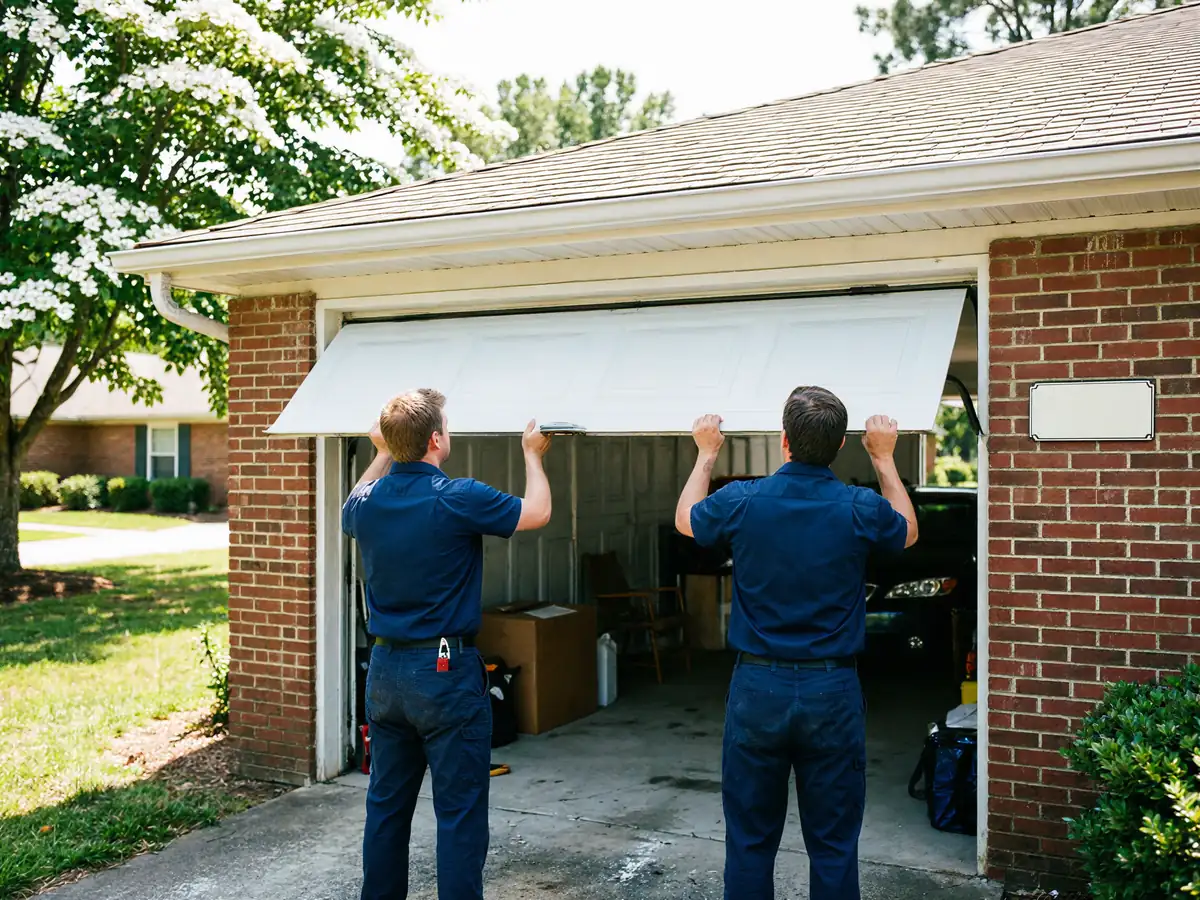
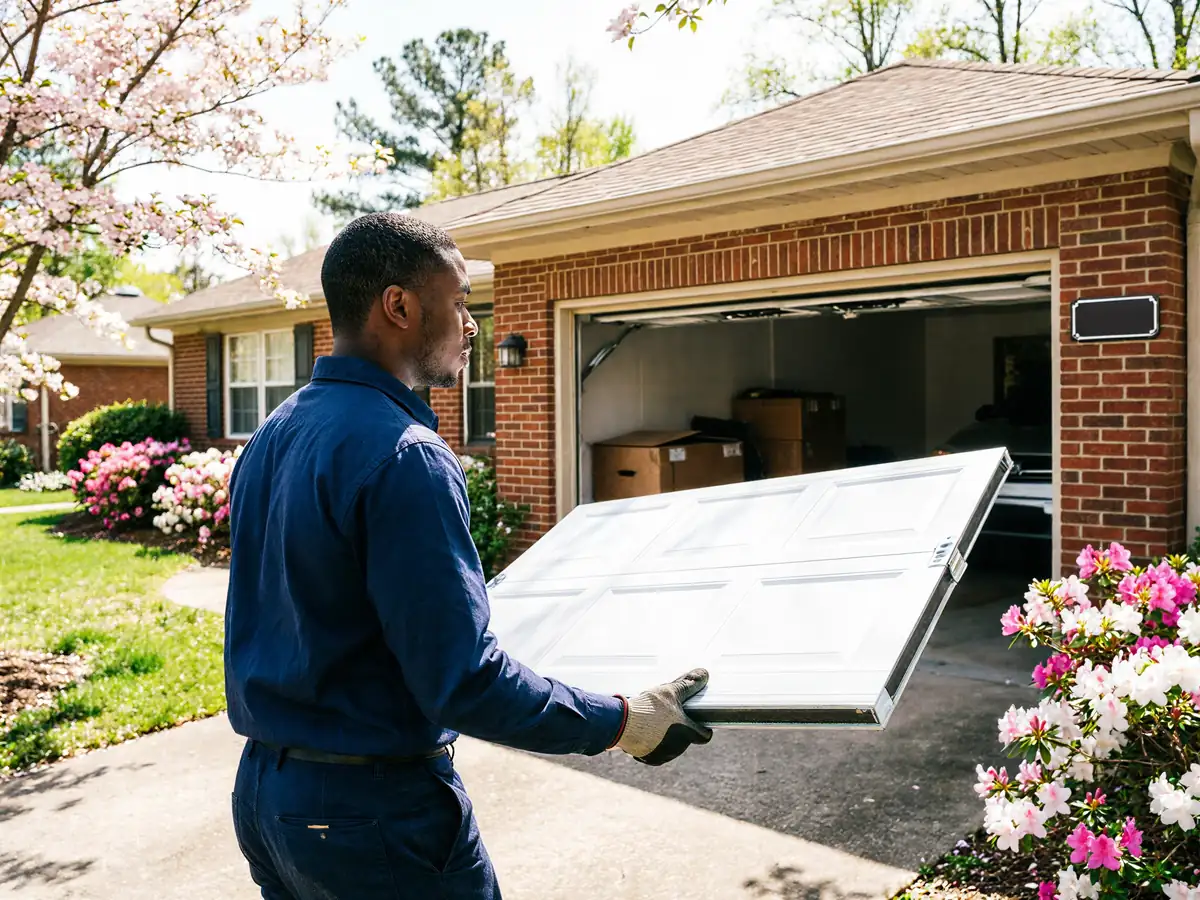
We don't have a flat number to hand you here, and we'd rather tell you that than make one up. What we can tell you is how to think about it: a single-item repair - one spring, one opener, a cable - is usually the cheaper path and makes sense on a door that's otherwise sound. Where it tips toward replacement is when two or three of those systems are failing at once on a door that's already 30-plus years old, because you end up paying for labor on each repair separately instead of once during a full swap. Given the median household income across this area sits at $80,349, most owners here are weighing a few hundred dollars in parts and labor against a four-figure full replacement - and that math usually favors repair unless the door itself is physically damaged or the opener is a model nobody stocks parts for anymore. Call and we'll look at what's actually failing before anyone talks numbers.
When It Stops Being a DIY Job
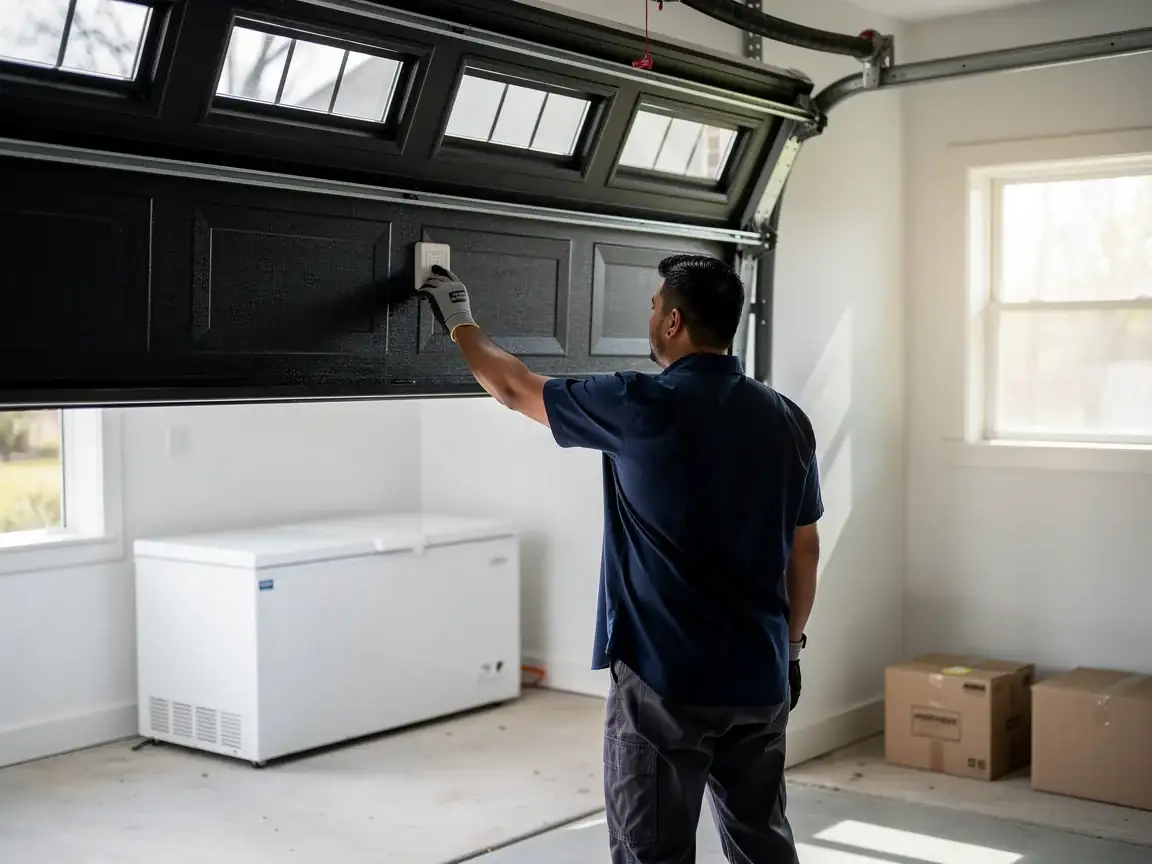
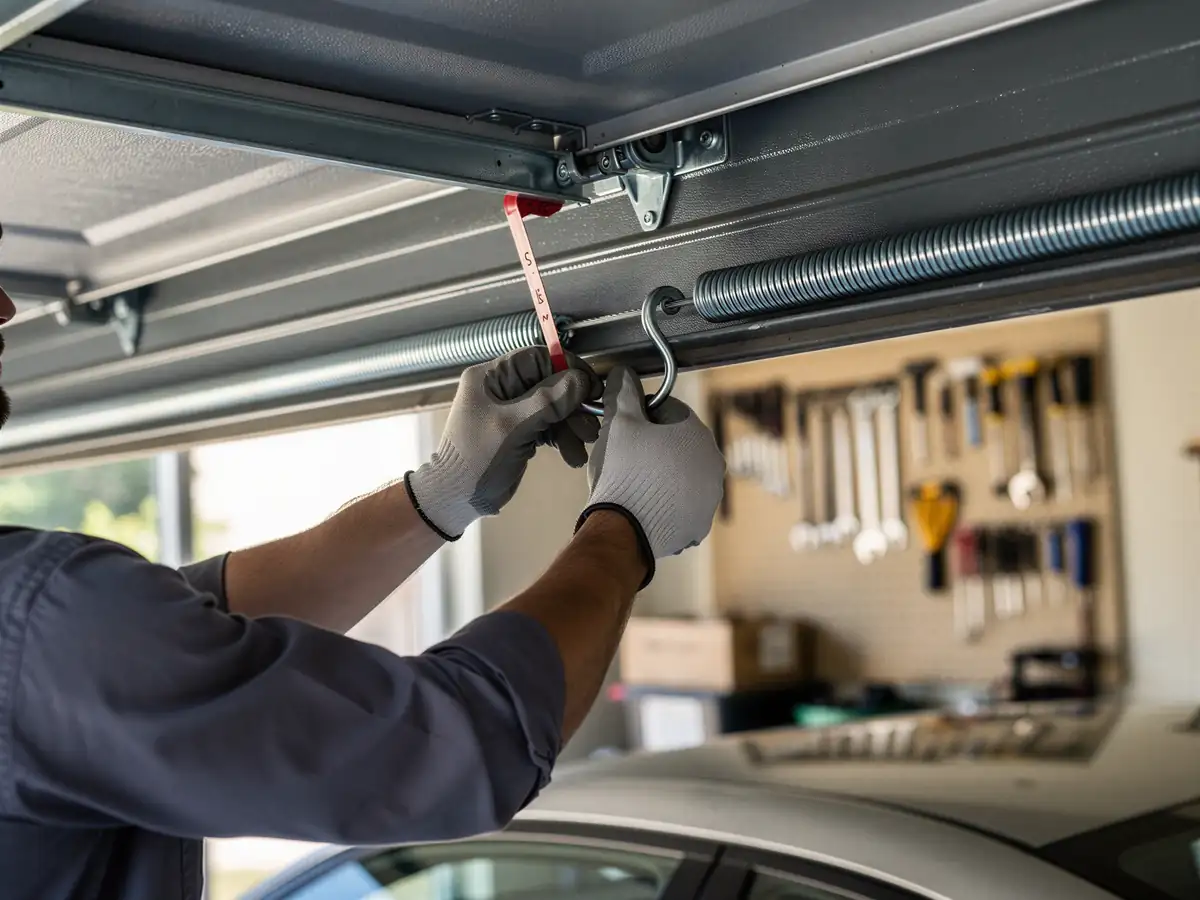
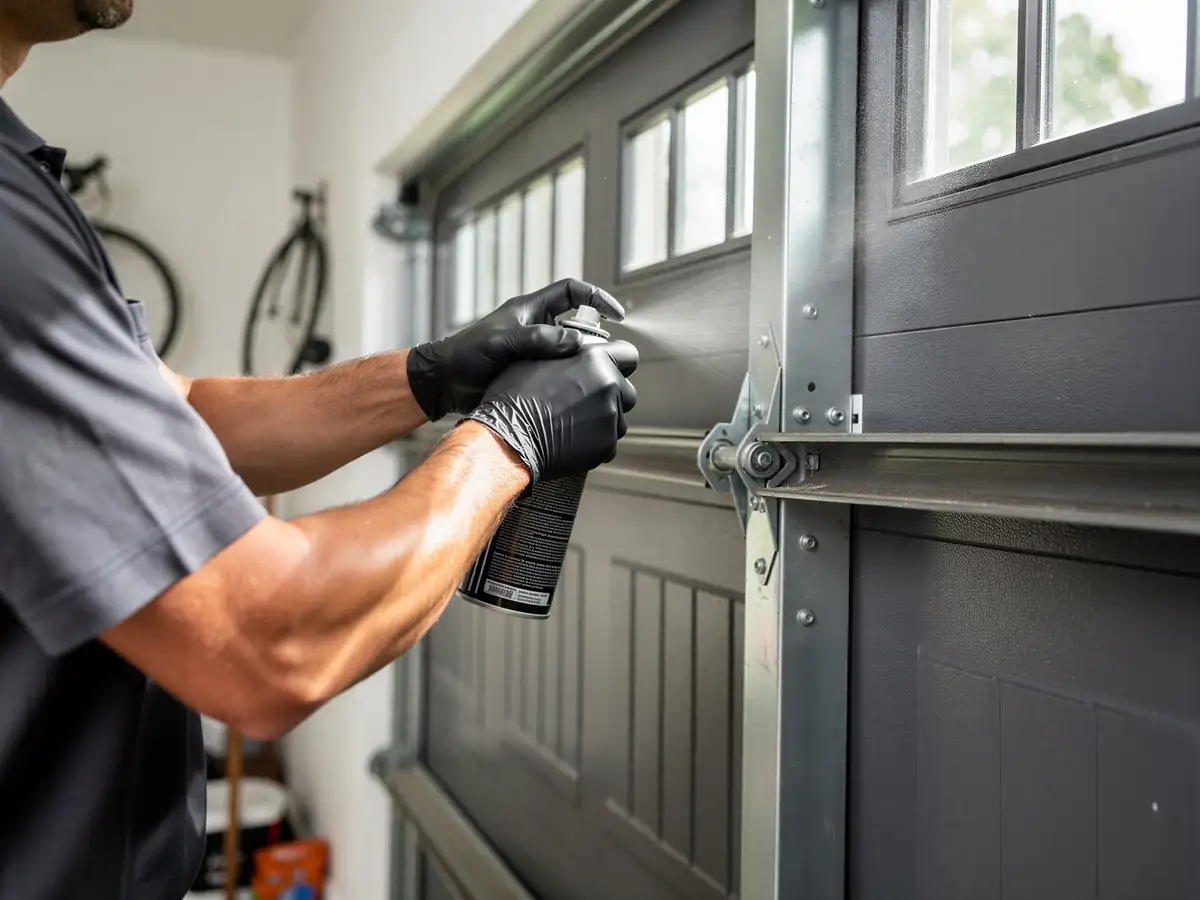
Springs are the line. A torsion spring under tension can break a hand or worse, and that's true whether your door is five years old or thirty-five. Anything involving the spring, the cables, or the drums at the top of the track isn't a weekend project - leave that to someone who does it daily. What is fair to handle yourself: lubricating hinges and rollers before winter, tightening visible hardware, clearing debris from the track, and testing the auto-reverse safety feature by hand. One honest limitation on our end - if your opener is an original model from the 80s or 90s build era and the manufacturer's stopped making boards for it, we may not be able to source an exact replacement part, and a full opener swap becomes the straightforward answer rather than a repair. That's not us upselling; it's just what happens when a product line gets discontinued.
How it works
From “it’s stuck” to “it’s fixed”
01
Tell us what’s wrong
Describe the symptom - won’t open, loud bang, opener runs but the door won’t move.
02
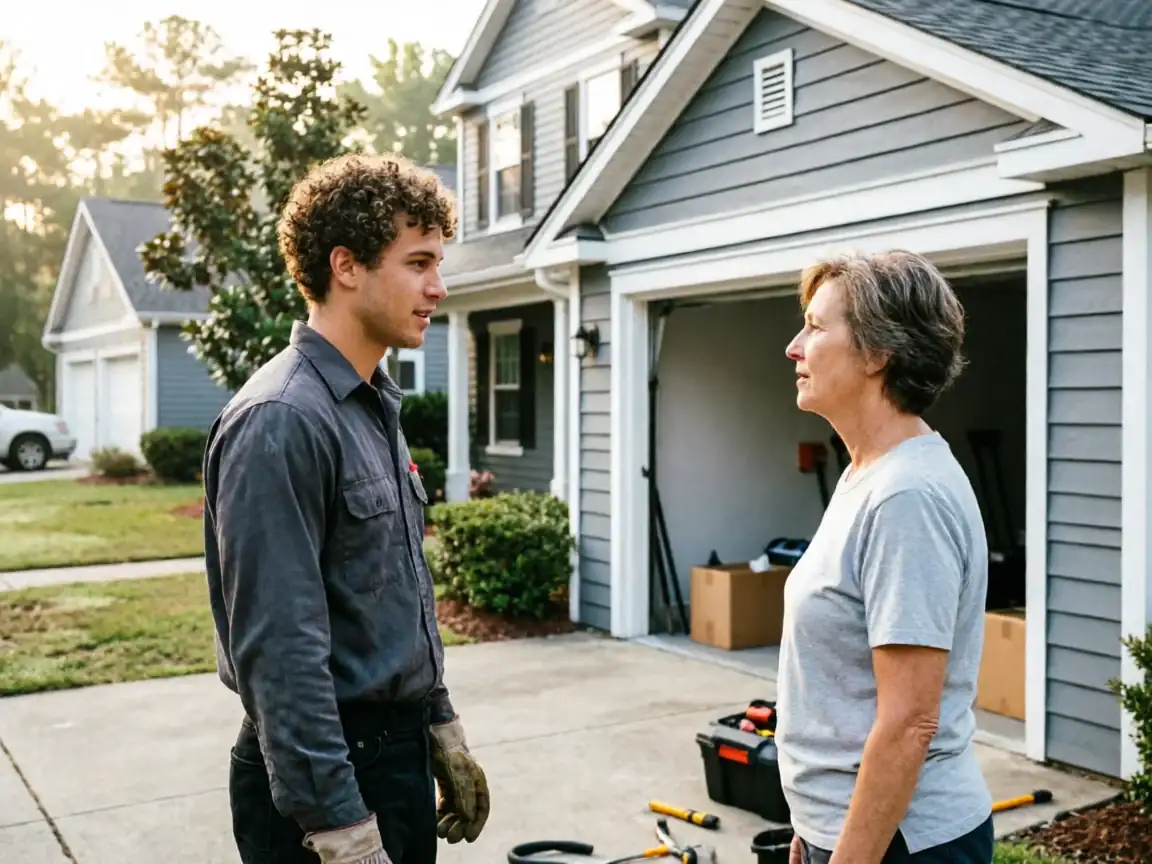
On-site diagnosis
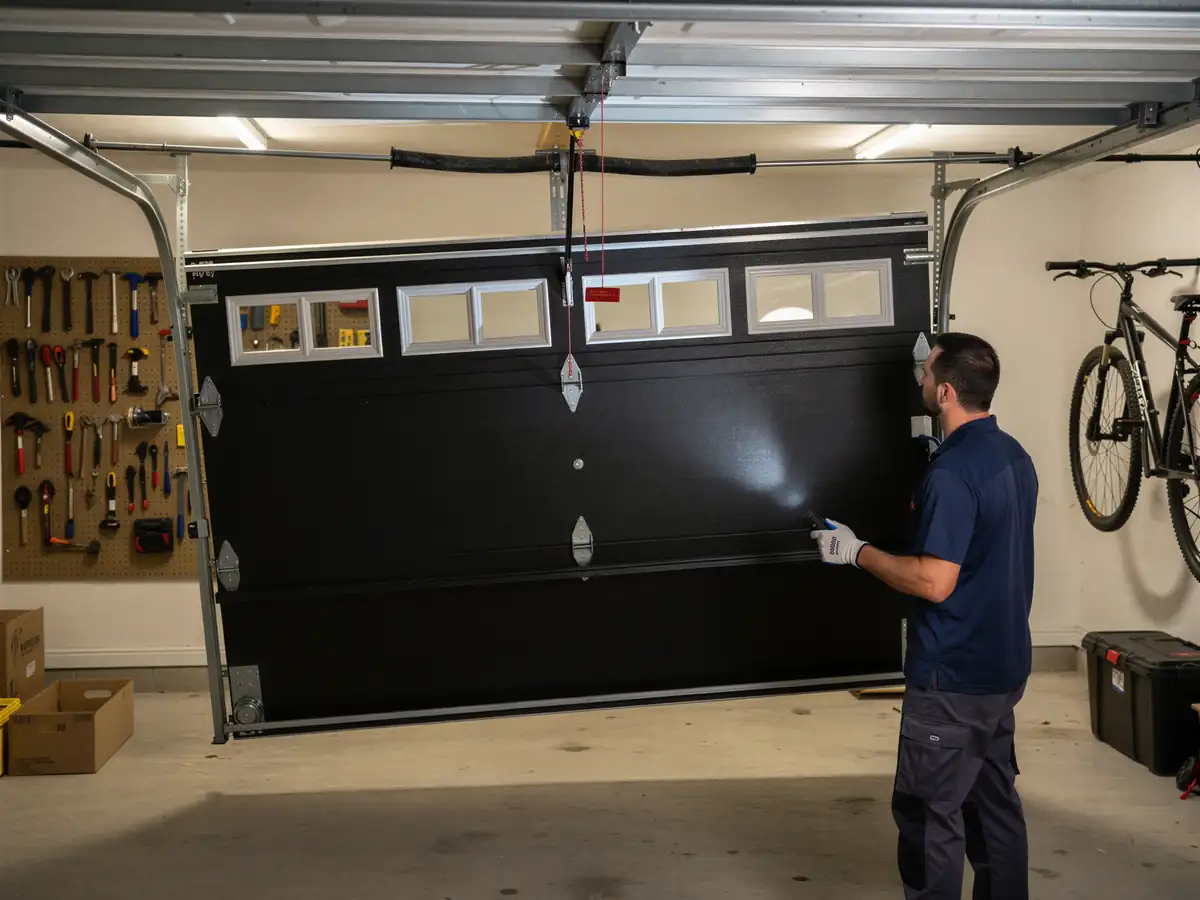
A technician tests the door under power and by hand and finds what actually failed.
03
Clear, up-front plan
You get the fix that’s needed and what drives the cost - before any work starts.
04
Repaired & tested
The repair is done, the door is set true and tested, and the work area left clean.
Not sure which repair your door needs in High Point, NC? Describe what it’s doing - every job starts with a diagnosis.
Straight answers about garage door repair in High Point. Still unsure? Ask us directly.
My house was built in the 1980s and the door still works fine - should I replace it anyway?
No. If the panel's not dented and the mechanics are still working, there's no reason to replace a door just because of its age. Keep up on lubrication and have the springs checked periodically - that's usually enough to get more years out of original hardware from that build era.
Why does my garage door act up more in winter here?
Our cold-moderate climate means freeze-thaw cycles and overnight condensation inside the garage, which stiffens grease on rollers and tracks and adds strain to an aging opener. It's gradual wear showing up on cold mornings, not a sign the door is suddenly broken.
Is it worth repairing a 30-year-old opener?
Depends what's failed. A worn drive gear or a dead capacitor is often a cheap fix. But if the circuit board is bad and the model's discontinued, parts may not exist anymore, and a full opener replacement ends up being the only real option.