Panel Replacement for Jamestown's Late-'80s Garage Doors
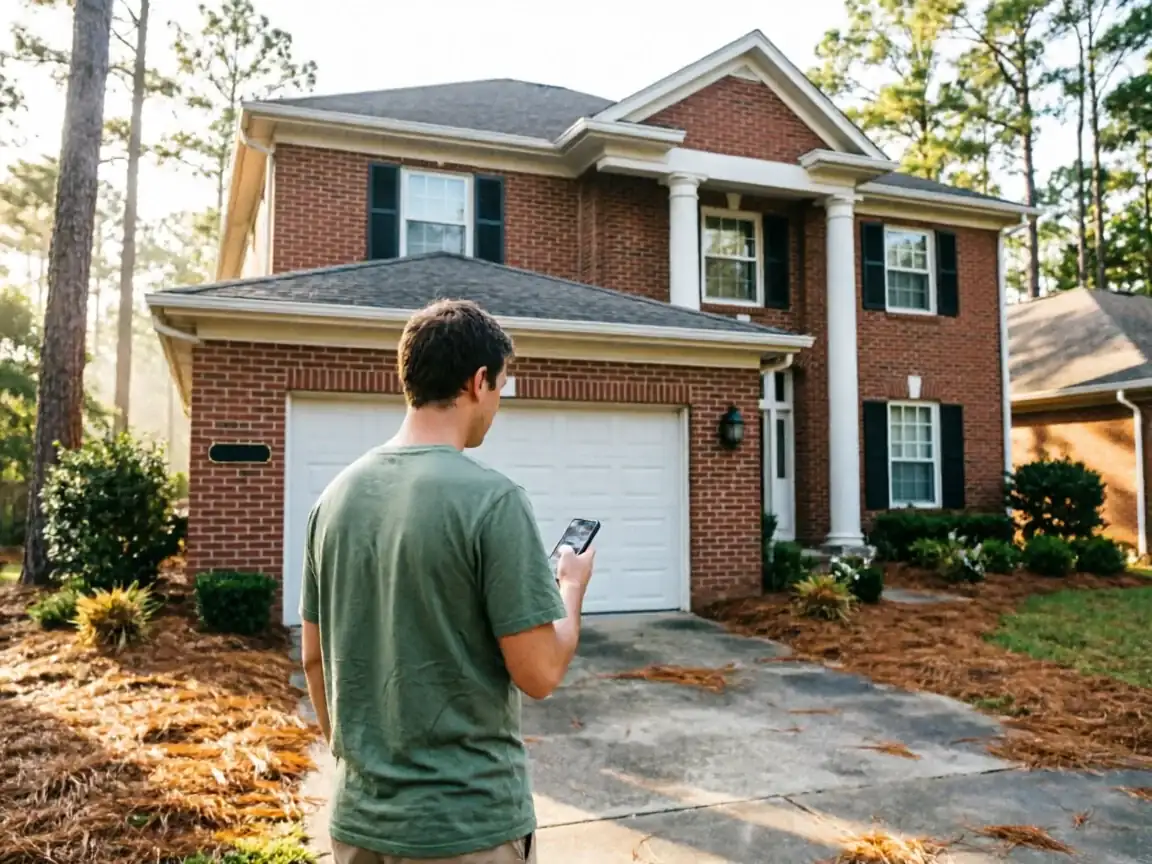
Jamestown homes mostly went up in the late 1980s, which shapes what panel and hardware you're dealing with. We cover panel swaps here, 3 miles from our High Point shop.
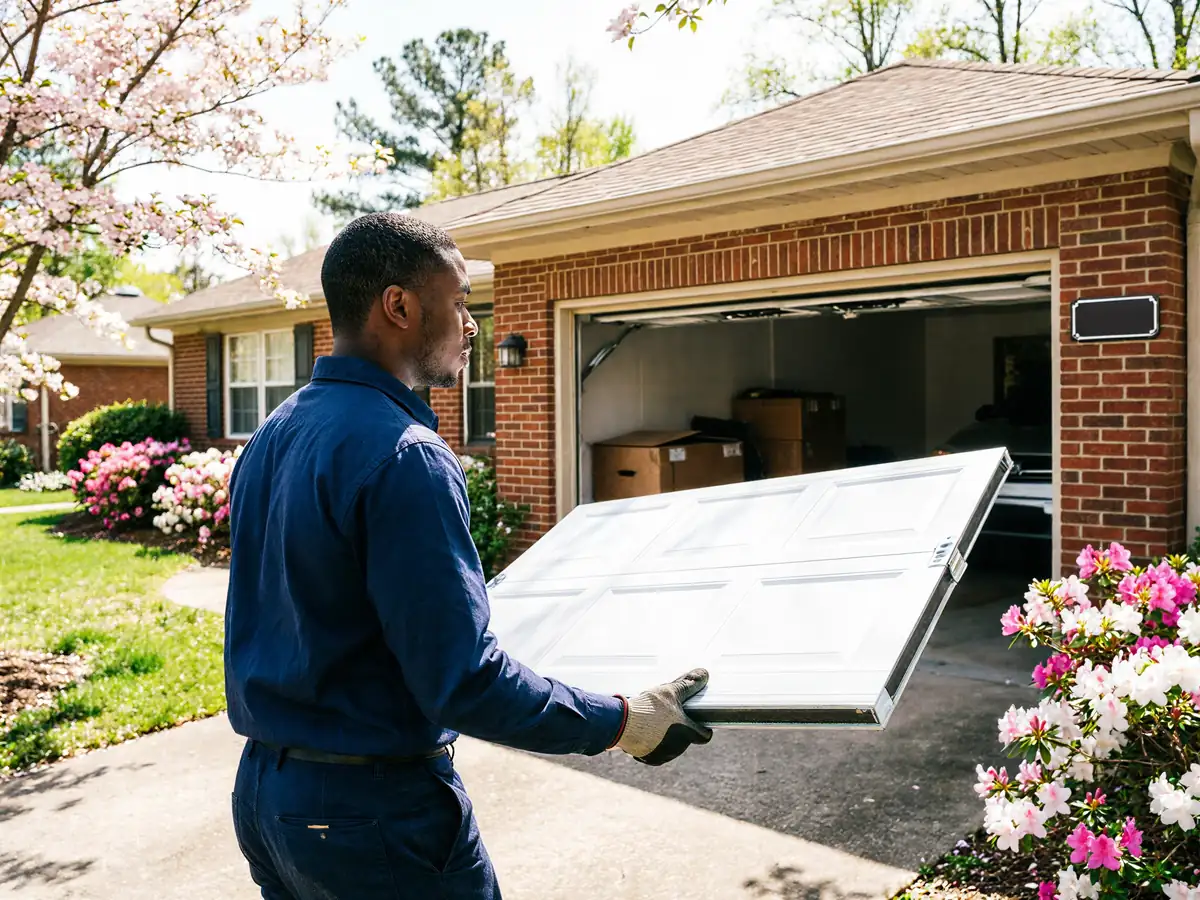
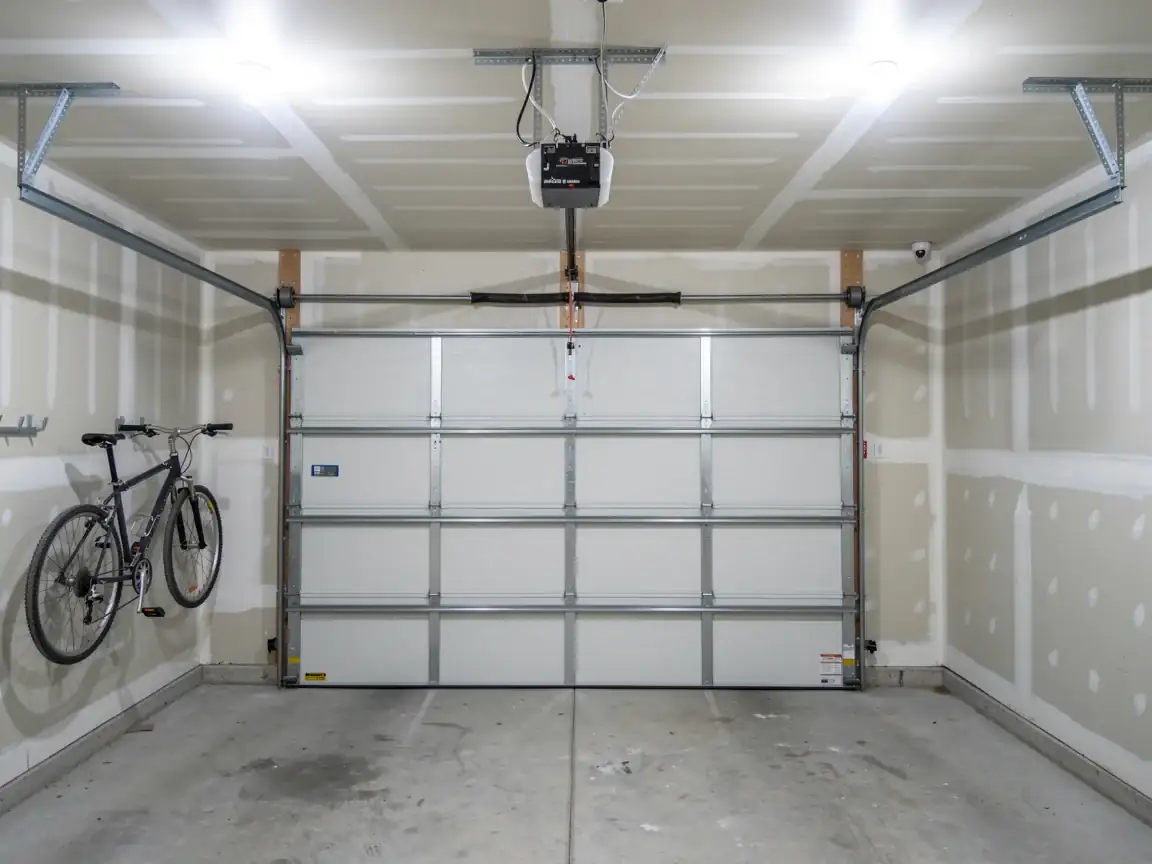
Which means a lot of doors here are steel sectional units from a build era when galvanized steel panels with foam-core insulation were becoming standard, replacing the older solid wood and thin uninsulated steel of the decades before. If your door matches that profile, a single dented or rusted-through panel is often a bolt-in swap rather than a full door job, and a confident DIYer with the right clamps can pull a damaged section without touching the torsion spring.
02
Where it gets harder is matching the panel
A 1989-era door from a builder-grade run may have a groove profile or panel height that current manufacturers don't stock off the shelf, so sourcing an exact match sometimes takes more digging than the install itself. If the track is bent, if more than one section is damaged, or if the door's insulation has degraded enough that the old panel is brittle, that's past a weekend project. We'll say plainly: if you're not sure the replacement panel will actually fit the existing track width, don't guess and bolt it in anyway. A mismatched panel binds the rollers and wears the opener early.
Why This Fails Locally
The failure pattern we see on Jamestown's 1980s-vintage doors is consistent: one panel takes the hit - a trailer mirror, a basketball, a car bumper - and the owner orders a replacement panel sized to today's standard dimensions, not the dimensions that shipped in 1989. Panel widths and rib spacing shifted over the following years as manufacturers consolidated designs, so a modern replacement panel can be close enough to bolt on and still throw the door out of square.
Colder winter swings in this part of the state also matter here. In the moderate-cold climate band this area sits in, insulated panels installed decades ago have usually lost some of their original seal, and swapping in a single new, properly insulated panel next to three old ones creates an uneven thermal line across the door - not a safety issue, but it's the kind of mismatch a homeowner notices the first cold snap after the repair. We tell people up front when a panel swap will look and perform slightly different from the rest of the door, rather than promise a seamless match we can't back up.
Getting It Booked In
We run this job out of our High Point shop, and Jamestown sits about 3 miles out, so getting a truck to your driveway isn't the obstacle - getting the right panel is. Because Jamestown's housing dates mostly to the late 1980s and early '90s, we often need to confirm the door's brand and panel profile before we order parts, which can mean a short measuring visit ahead of the actual repair if the door isn't a common current-production model.
With roughly 1,565 households in Jamestown and a lot of them built in the same construction window, we've found that confirming panel specs ahead of time saves a second trip more often here than in newer subdivisions, where off-the-shelf panels tend to fit without issue. If your door is from that same era, have the model or serial sticker ready - it's usually on the inside of the end panel - before you call.
The Complications
01
A straight panel swap stays simple when the rest of the door is sound
It stops being simple when the track is out of alignment, when the torsion spring is original to the 1989 install and due for replacement anyway, or when the opener is an older chain-drive unit that doesn't tolerate the added weight of a modern insulated panel well. Any of those turns a one-panel job into a bigger conversation, and we'd rather have that conversation on the phone than discover it mid-repair.
02
There's also a point where replacement panels for an older
Less common profile aren't worth chasing. If a distributor quotes a long lead time for a single discontinued panel, and the rest of the door is also showing its age, replacing the whole door can cost less in the long run than special-ordering one piece. We won't push a full replacement to pad a ticket, but we also won't pretend a years-long-discontinued panel is a quick fix when it isn't.
How it works
From “it’s stuck” to “it’s fixed”
01
Tell us what’s wrong
Describe the symptom - won’t open, loud bang, opener runs but the door won’t move.
02
On-site diagnosis
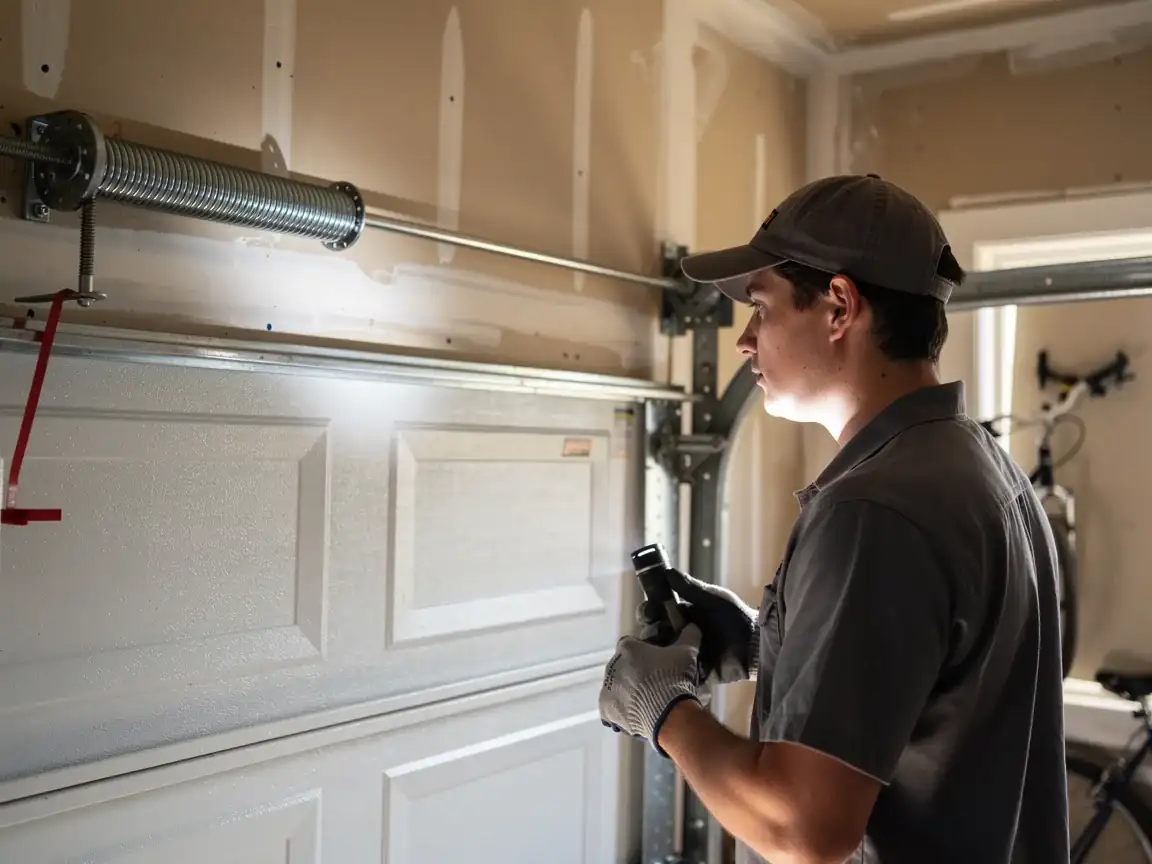
A technician tests the door under power and by hand and finds what actually failed.
03
Clear, up-front plan
You get the fix that’s needed and what drives the cost - before any work starts.
04
Repaired & tested
The repair is done, the door is set true and tested, and the work area left clean.
Not sure which repair your door needs in High Point, NC? Describe what it’s doing - every job starts with a diagnosis.
Straight answers about garage door repair in High Point. Still unsure? Ask us directly.
Will a new panel match the rest of my door exactly?
If your door is a common current-production model, usually yes. If it's from the late-1980s construction wave common in Jamestown, the panel profile may have changed since, and a close match is more realistic than an exact one. We check this before ordering so you know what to expect.
Do you carry panels on the truck for same-day swaps?
We don't stock every panel profile, especially for older doors, so some jobs need a measuring visit before we order the part. Common current panels are more likely to be handled in one visit.
Is it worth repairing just one panel on an older door?
Often yes, if the track, spring, and opener are still sound. If the door is near the end of its life for other reasons, we'll tell you when a full replacement makes more financial sense than chasing one old panel.
How far out is Jamestown from your shop?
About 3 miles from our High Point location, so getting a truck out isn't the limiting factor - sourcing the right panel for an older door usually is.