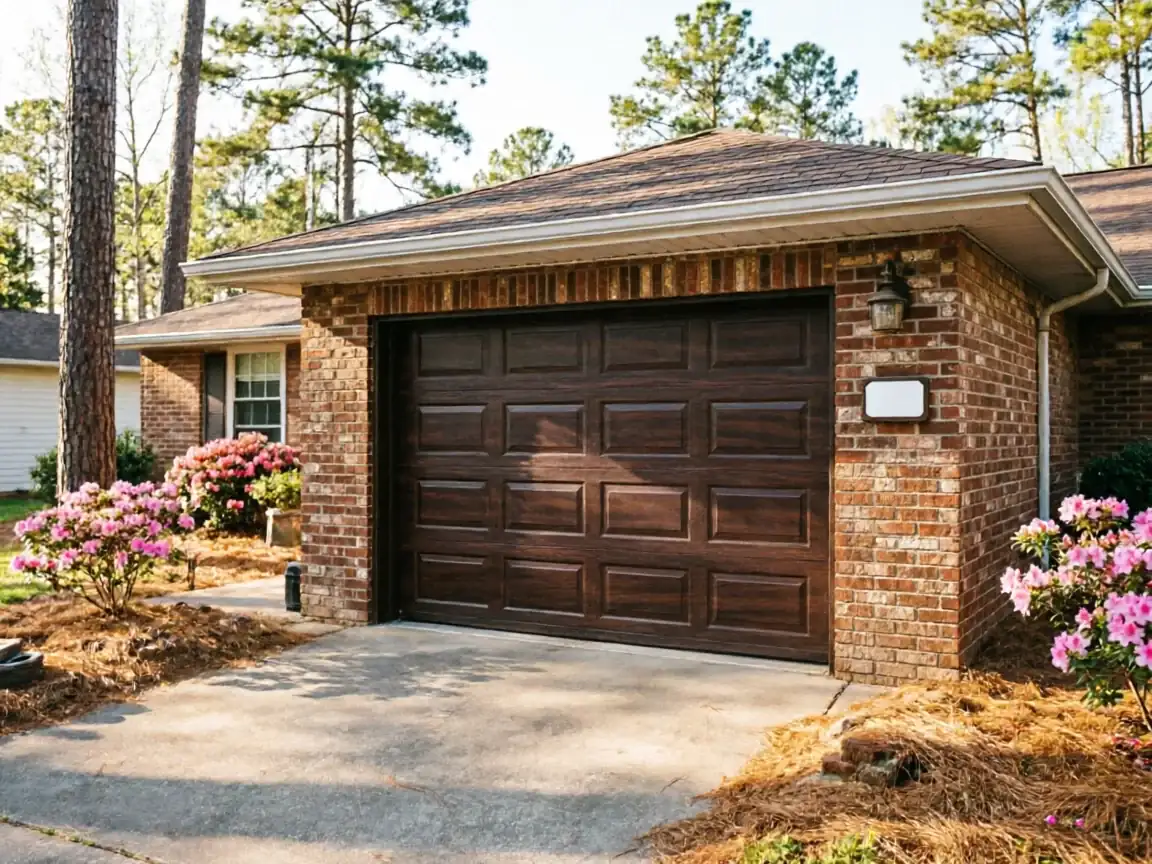
Jamestown homes mostly date to the late 1980s, built with hardware that era is known for. High Point Garage Door Pros covers repairs just 3 miles away.
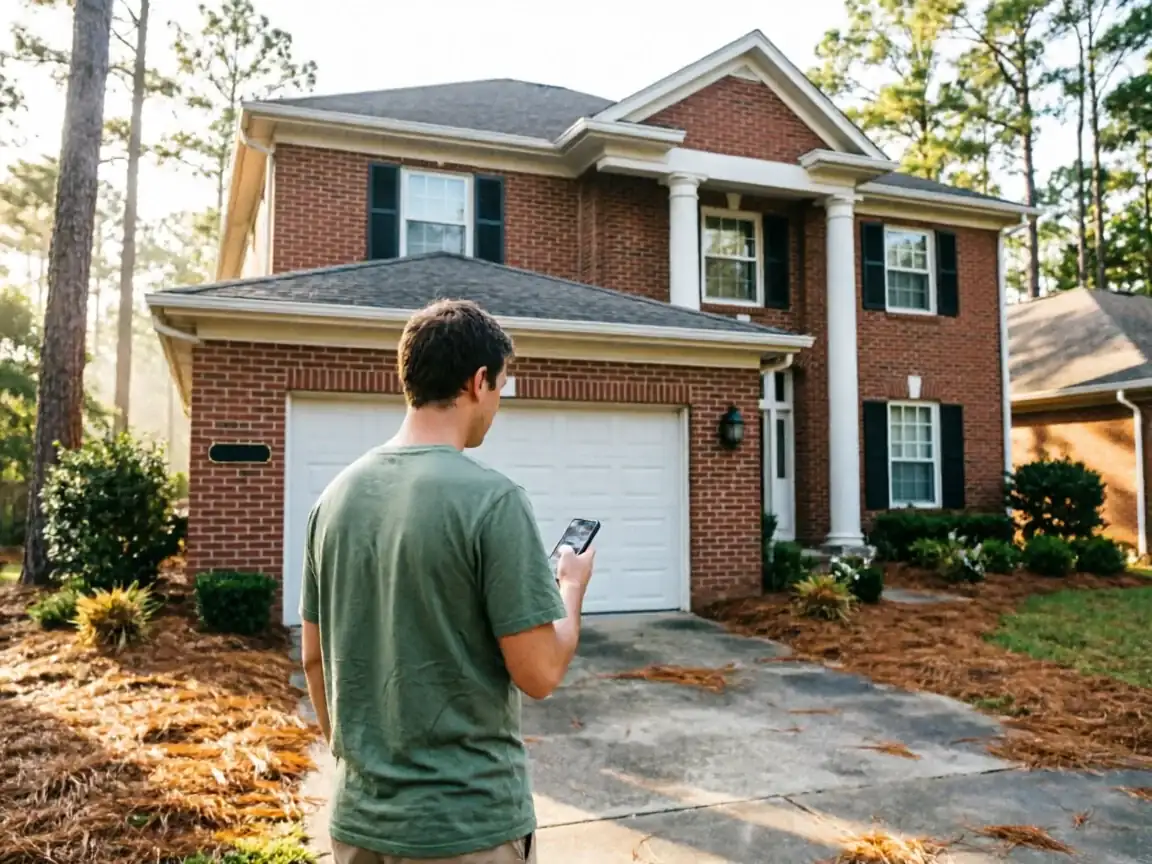
About 1,565 households total, which means the call volume here is nothing like a city grid. That matters because it keeps the fault patterns narrow: when a crew works this area, it's seeing the same handful of door types and the same handful of failures over and over, not a scattershot of eras and brands. Most of those houses were built around 1989, which puts the garage doors and openers squarely in the torsion-spring, steel-section generation rather than anything newer.
1,565 households
02
Can you fix a torsion spring yourself on a door that age?
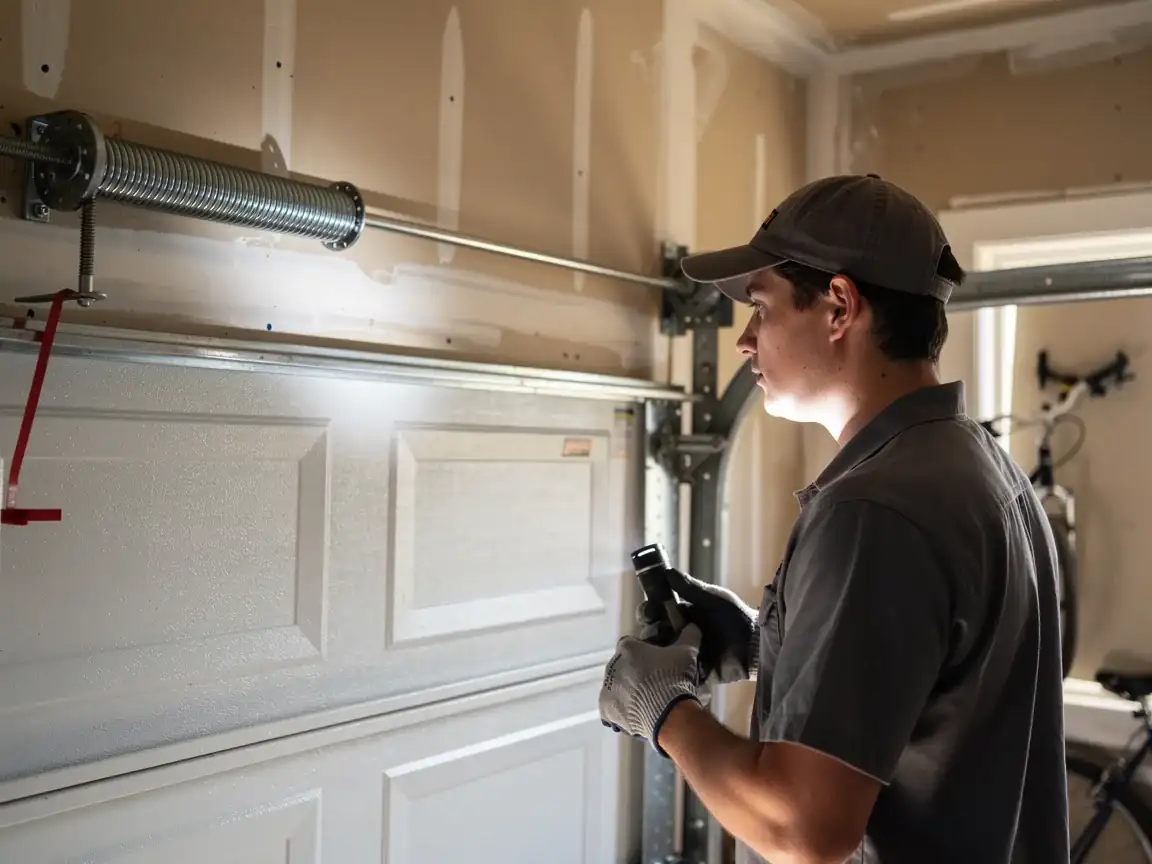
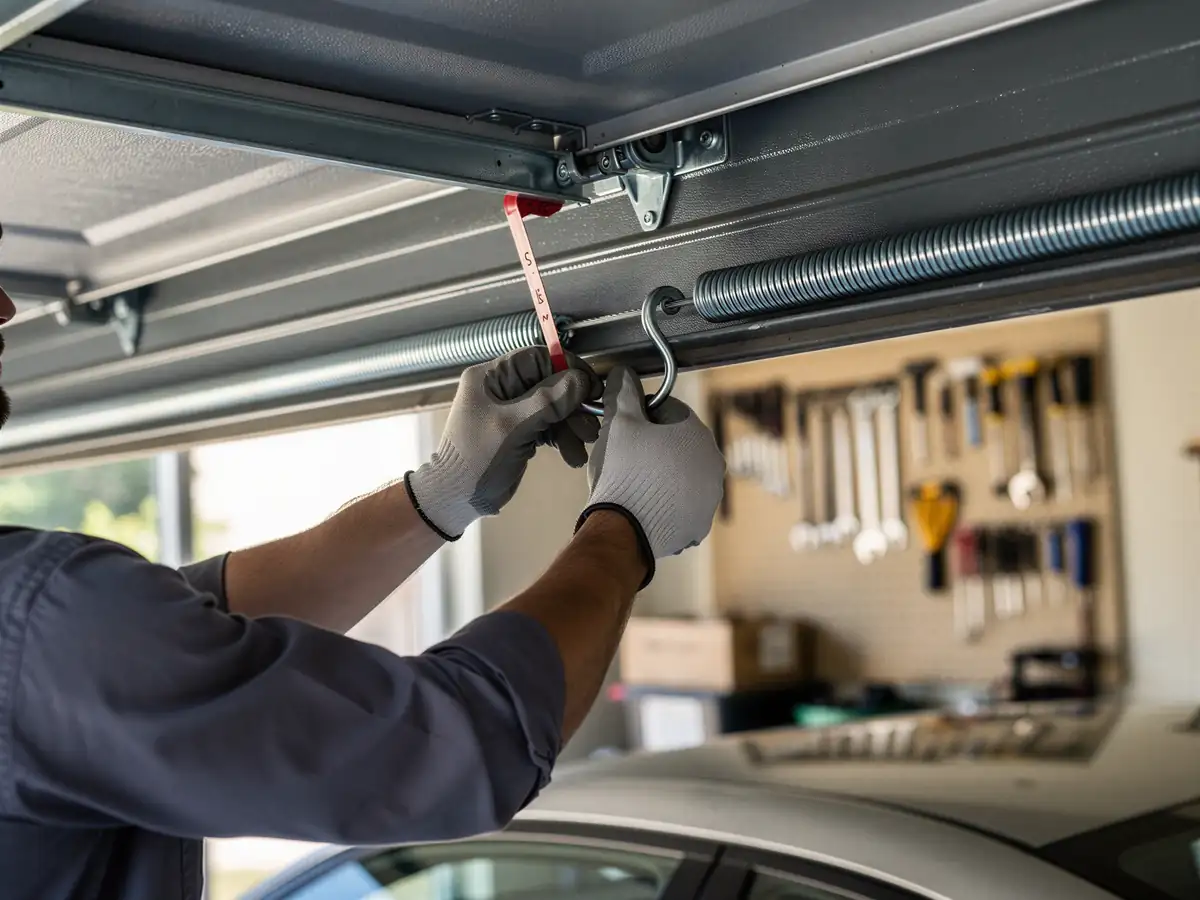
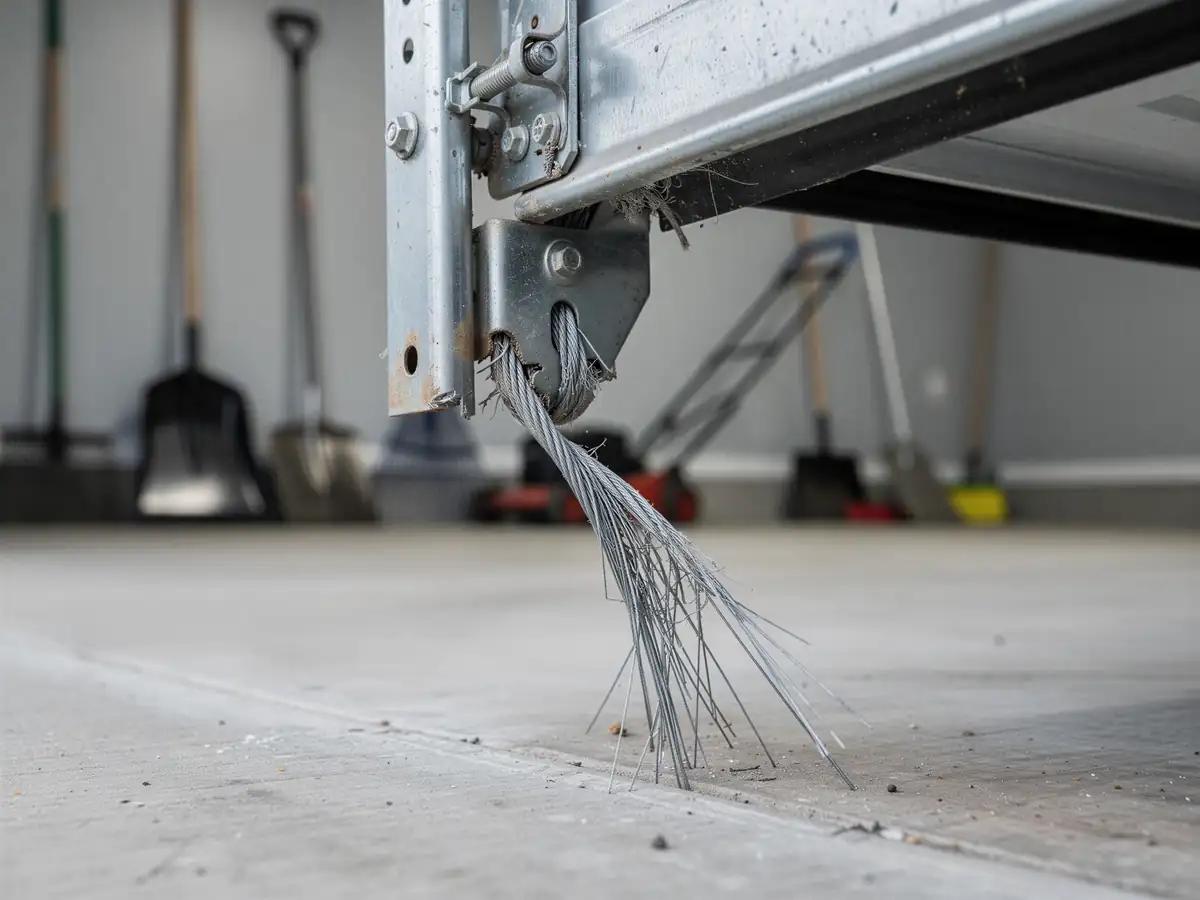
No. A wound torsion spring holds enough stored energy to break a bone or worse, and the winding bars and clamps needed to do it safely aren't things most homeowners own or have used. Rollers, hinges, and weatherstripping are fair game for a confident DIYer. Cables, springs, and anything bolted to the torsion tube are not. If the door won't open and you hear a bang before it stuck, that's a broken spring - stop there and call it in rather than trying to force the door by hand, which can bend the track or snap the second spring under the extra load.
Why This Fails Locally
The reason Jamestown doors fail the way they do traces straight back to the housing stock. Construction here runs mostly 1976 to 2002, centered on the late 1980s, which means a lot of original torsion hardware is still in service thirty-plus years later - galvanized springs rated for a shorter life than that, steel tracks that have gone through three decades of seasonal expansion and contraction, and openers from an era before modern force-sensing safety reversal was standard.
Add the climate band - cold, moderate - and you get a specific wear pattern: grease in old bearings stiffens in winter, metal contracts, and a spring that was already near the end of its rated cycle count snaps on the first truly cold morning rather than failing gradually. Panels from this build era are usually uninsulated single-layer steel, which dents easily and doesn't hold up to the freeze-thaw swings the way a modern sandwich panel does. None of this is a Jamestown-specific defect - it's just what a town built almost entirely in one fifteen-year window looks like thirty-five years later, all at once, on the same handful of hardware types.
Getting It Booked In
There's no local branch sitting in Jamestown - the truck comes from High Point, about 3 miles away, which is close enough that travel time isn't the bottleneck it would be for a farther call. What that does mean is a tech can carry stock for the hardware this area actually uses - torsion springs sized for late-1980s door weights, the common roller and hinge sets - rather than guessing at a mixed bag of eras.
When you call, have the door's approximate age and whether it's a single or double door ready. If the house is one of the typical late-1980s builds, that alone narrows down spring size and cable gauge before the truck even leaves High Point. It won't tell you the exact part, but it cuts the diagnostic time once someone's on site.
The Complications
01
Age cuts both ways
A 1989-built opener that's still running on its original motor is well past any reasonable service life, and if the circuit board has failed, sourcing an exact replacement board for a thirty-five-year-old unit usually isn't practical - the honest answer at that point is a new opener, not a repair, because the labor to chase down obsolete electronics costs more than the part would even if it existed.
02
Doors are a different story
A steel panel door from that era can often keep running for years yet with a spring swap, new rollers, and a track alignment, because the sections themselves were built heavier than a lot of what's sold today. The complication is knowing which side of that line a given job falls on - whether you're looking at a thirty-minute spring job or a case where the opener, and sometimes the door itself, has quietly outlived what's worth fixing. That call gets made on site, door by door, not over the phone.
How it works
From “it’s stuck” to “it’s fixed”
01
Tell us what’s wrong
Describe the symptom - won’t open, loud bang, opener runs but the door won’t move.
02
On-site diagnosis
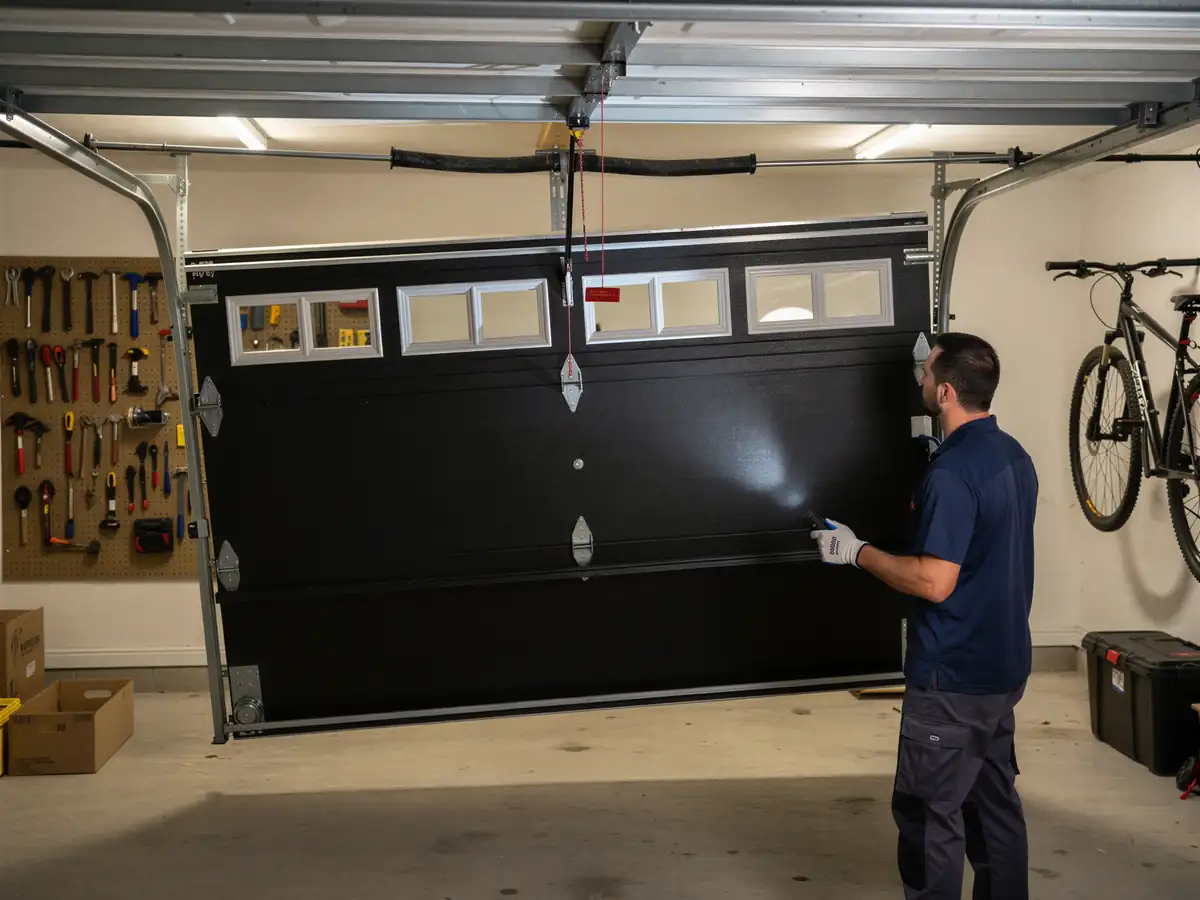
A technician tests the door under power and by hand and finds what actually failed.
03
Clear, up-front plan
You get the fix that’s needed and what drives the cost - before any work starts.
04
Repaired & tested
The repair is done, the door is set true and tested, and the work area left clean.
Not sure which repair your door needs in High Point, NC? Describe what it’s doing - every job starts with a diagnosis.
Straight answers about garage door repair in High Point. Still unsure? Ask us directly.
How fast can someone get to Jamestown from High Point?
We don't quote a response time here - the company travels from High Point, about 3 miles away, and how fast a specific call gets covered depends on the day's schedule. What we can say is the distance itself is short, so travel isn't the limiting factor the way it would be for a farther town.
Why did my spring break in cold weather?
Jamestown sits in a cold-moderate climate band, and older torsion springs stiffen and lose some flex in winter cold. A spring that's already near the end of its rated cycle count, common on houses built in the late 1980s, tends to go on the first hard cold snap rather than gradually.
Is my 1989 opener worth repairing?
Sometimes, sometimes not. If it's a mechanical issue - gears, chain, sprocket - repair usually makes sense. If the circuit board has failed, an exact replacement for a unit that old often isn't available, and a new opener ends up being the more practical fix.
Do you keep a depot in Jamestown?
No. Jamestown is covered from High Point, about 3 miles out. There's no separate branch or local stock point here - the truck carries what it needs for the job based on what you tell us about the door.