What a Power Cut Does to an Older High Point Opener
High Point homes built 1976-2002 often run original chain-drive openers with no battery backup - what a power cut means for your door and opener motor.
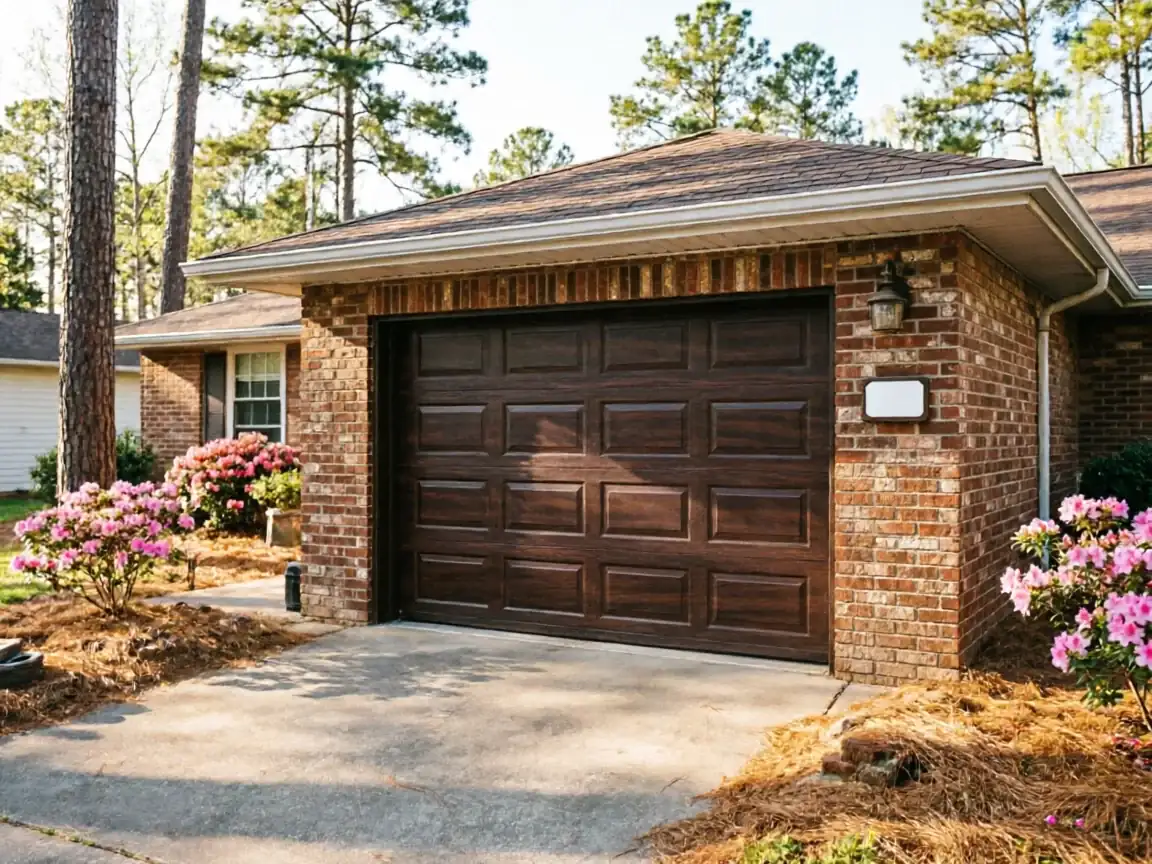
Most of the garage door stock in High Point and the surrounding named areas
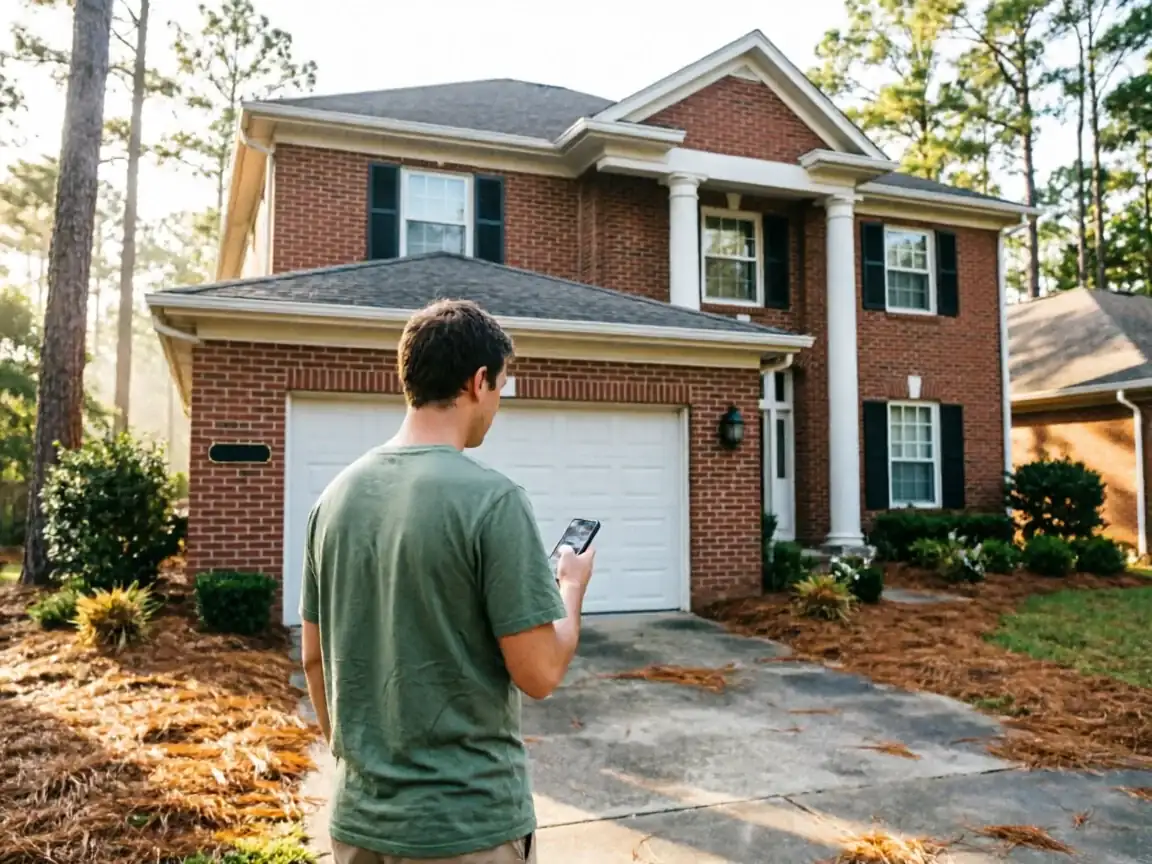
Jamestown, Archdale - went in with houses built between 1976 and 2002, with the median build year sitting around 1987. That means a lot of original chain-drive openers, the kind that came standard on builder-grade doors through the 80s and 90s, with no battery backup wired into the unit at all.
02
High Point sits in a cold-moderate climate band
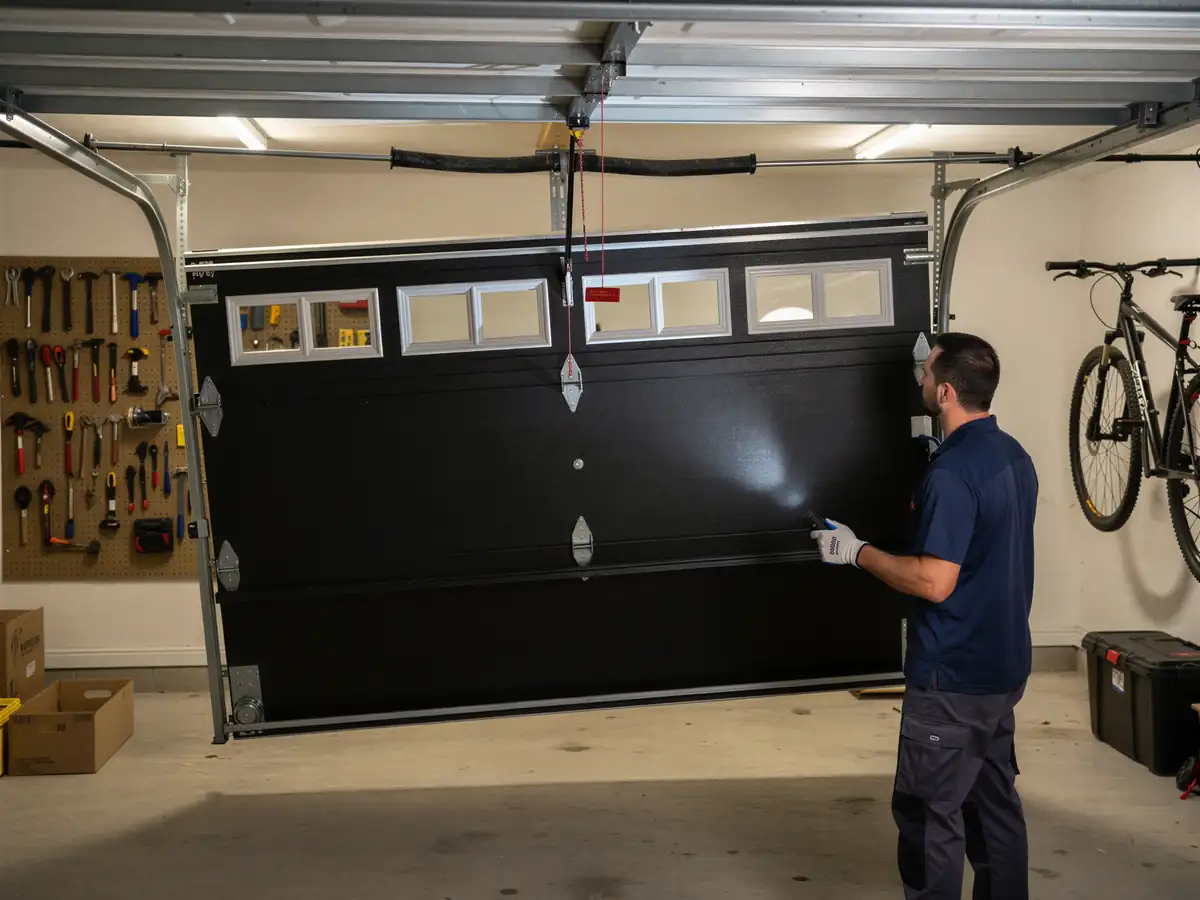
That doesn't mean brutal winters, but it means enough freeze-thaw cycling and the occasional ice event to knock out power for a few hours at a time. When that happens, a chain-drive opener from the 1987 era doesn't fail back onto battery power because it was never built with one. The door just stops wherever it was when the lights went out - open, closed, or half-way, with the car under it or not.
03
That combination - old opener, no backup, a climate that produces real but not constant outages
Is the actual local problem. It's not that High Point gets hit harder than anywhere else. It's that the housing age here lines up with a generation of openers that nobody designed around losing power.
The Problem
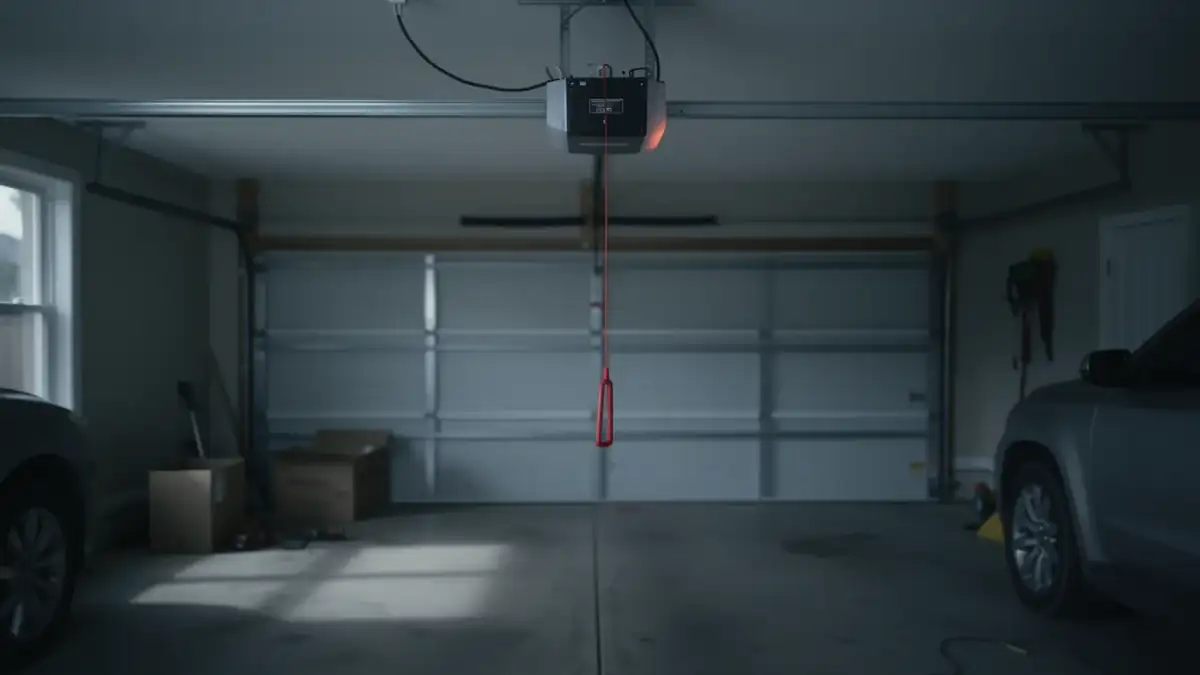
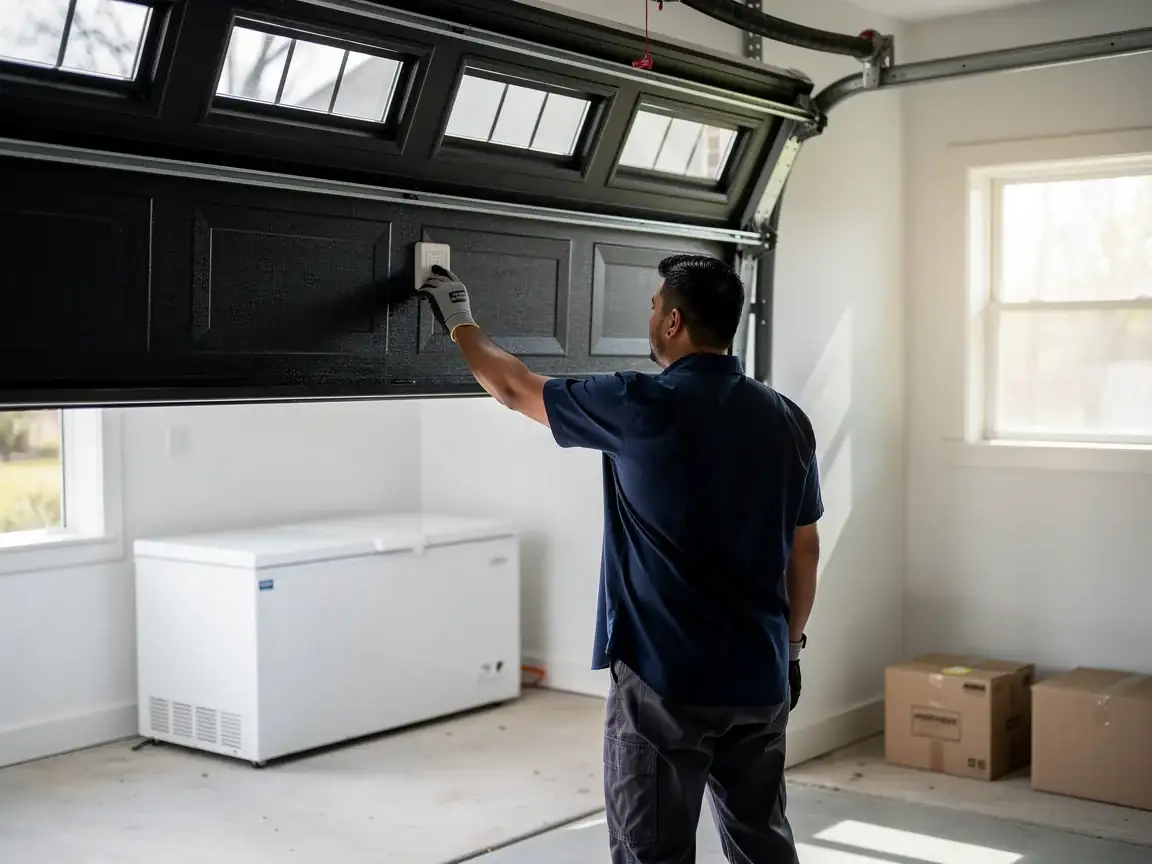
When power drops mid-cycle on an opener with no battery backup, the door sits wherever the chain left it. If it was closing, it's now stuck a foot off the slab. If it was opening, the car may or may not clear it. Either way, the motor won't move until power's back, and the manual release - that red cord hanging from the trolley - is the only way to move the door by hand in the meantime.
Across the roughly 28,580 owner-occupied houses in this service area, a big share still have that original 1980s-90s opener doing the job it was installed to do decades ago. These units don't fail dramatically. They just sit dead the next time the power cuts, and a lot of owners find out they have no manual-release habit the first time it happens - in the dark, in the cold, trying to get a car out.
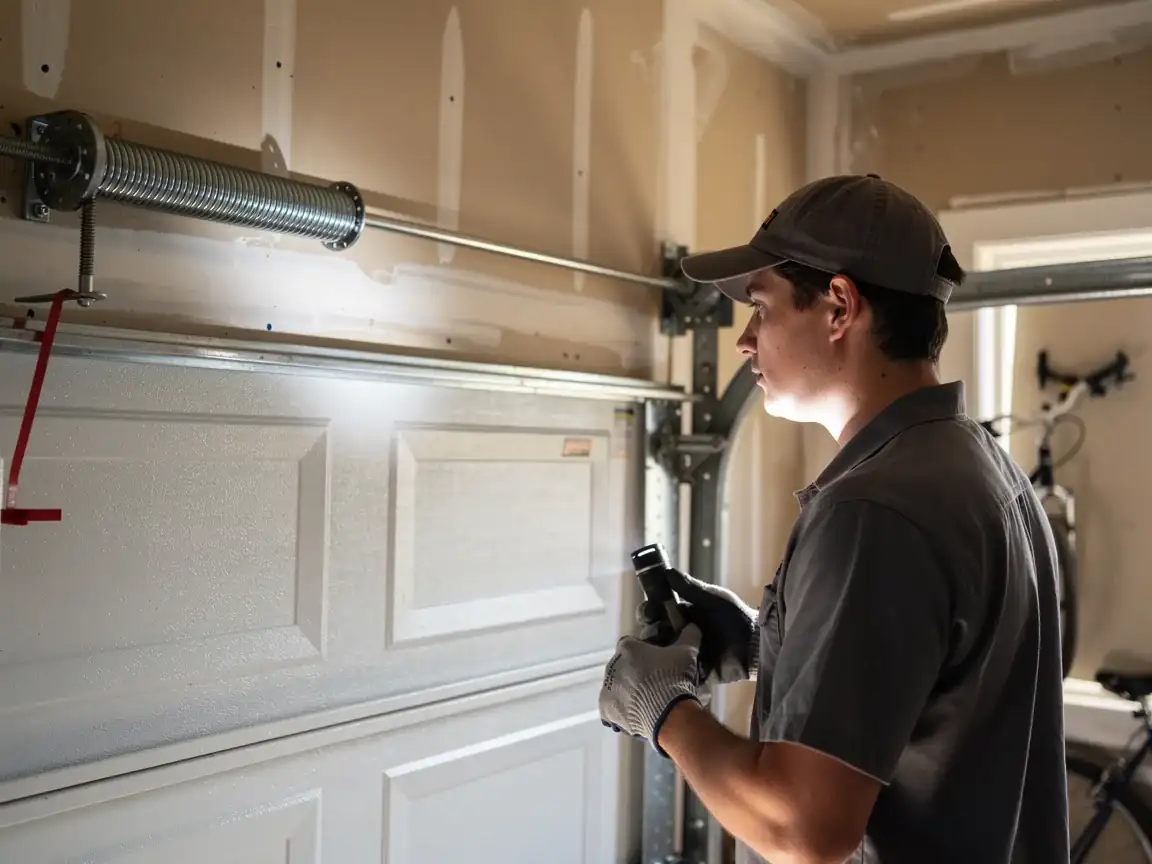
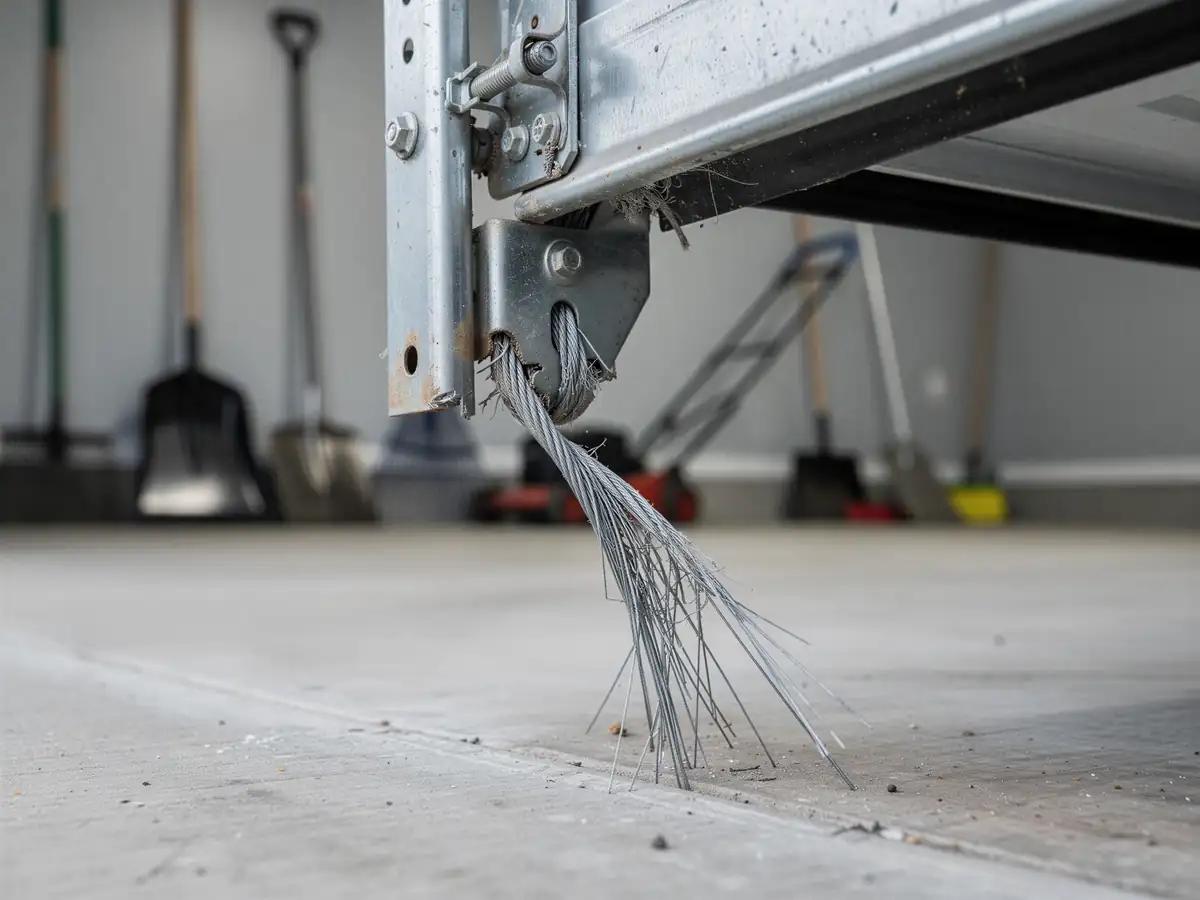
The honest limitation here: a manual release lever gets you moving the door by hand, but it does not fix a spring that's under load or a cable that's frayed. If either of those is the actual problem, pulling that cord with the door half-raised is how people get hurt, not how they get their car out.
What It Costs
We don't have a fixed price list to quote here, and we're not going to invent one. What we can tell you is what drives the cost conversation for a house like the ones common across this area.
An opener swap with battery backup built in costs more upfront than a straight chain-drive replacement, but it's a one-time decision, not a recurring one - and with median household income in this service area at $80,349, most owners we talk to treat it that way: pay once, stop thinking about it, rather than patch an aging unit every time it hiccups.
The other cost variable is what's actually wrong. A battery-backup retrofit on a working opener is a different job than replacing a 30-year-old chain-drive unit that's also dragging a worn track or a spring nearing the end of its cycle count. We can't tell you which one your house needs without looking at it, and we won't quote a number sight unseen for either.
When It Stops Being a DIY Job
01
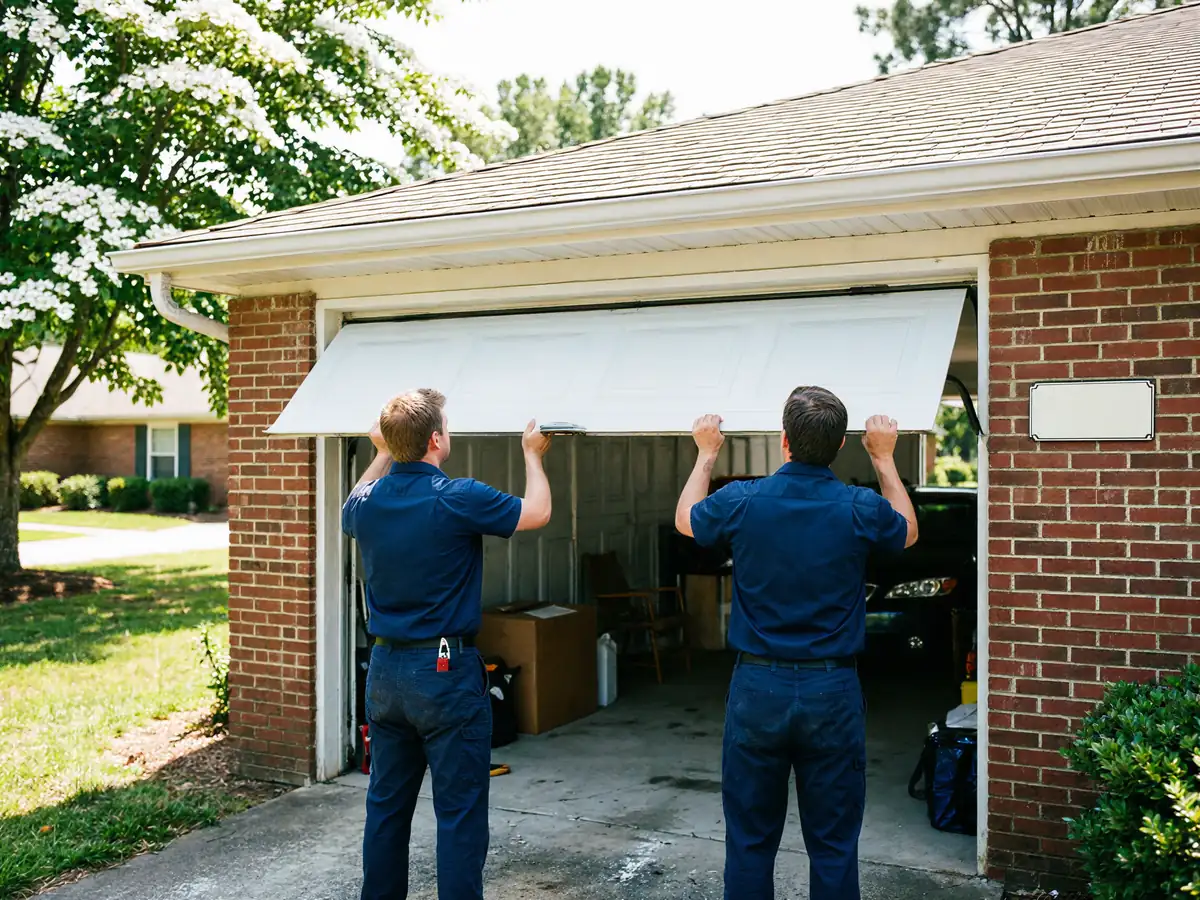
Pulling the manual release and lifting the door by hand during an outage is fine
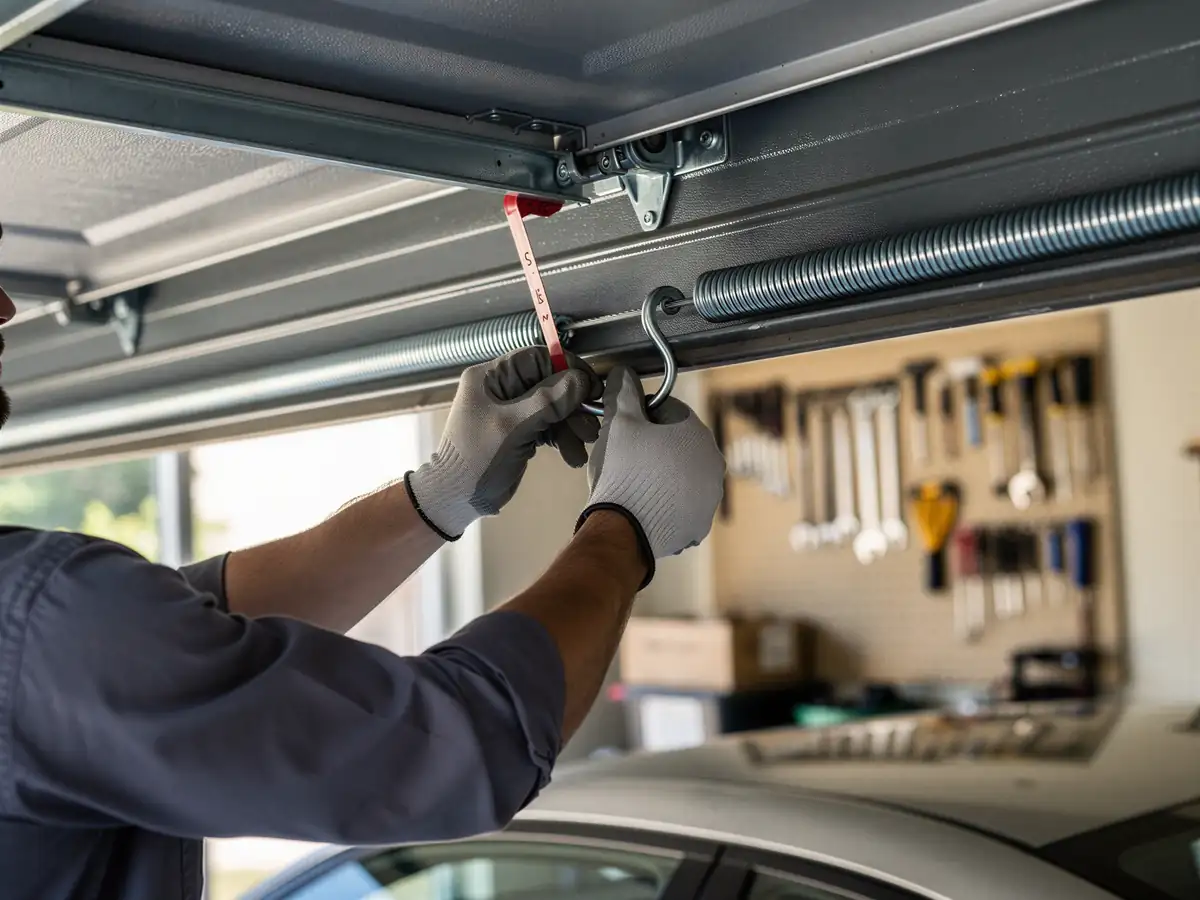
That's what the cord is for. Where it stops being a homeowner job is anything involving the spring system itself.
02
If the door won't lift by hand even with the release pulled, or lifts and then drops, the spring
Not the opener - is carrying the load wrong, and that's not something to diagnose by trial and error. A torsion spring under tension can put someone in the ER faster than almost anything else in a garage.
03
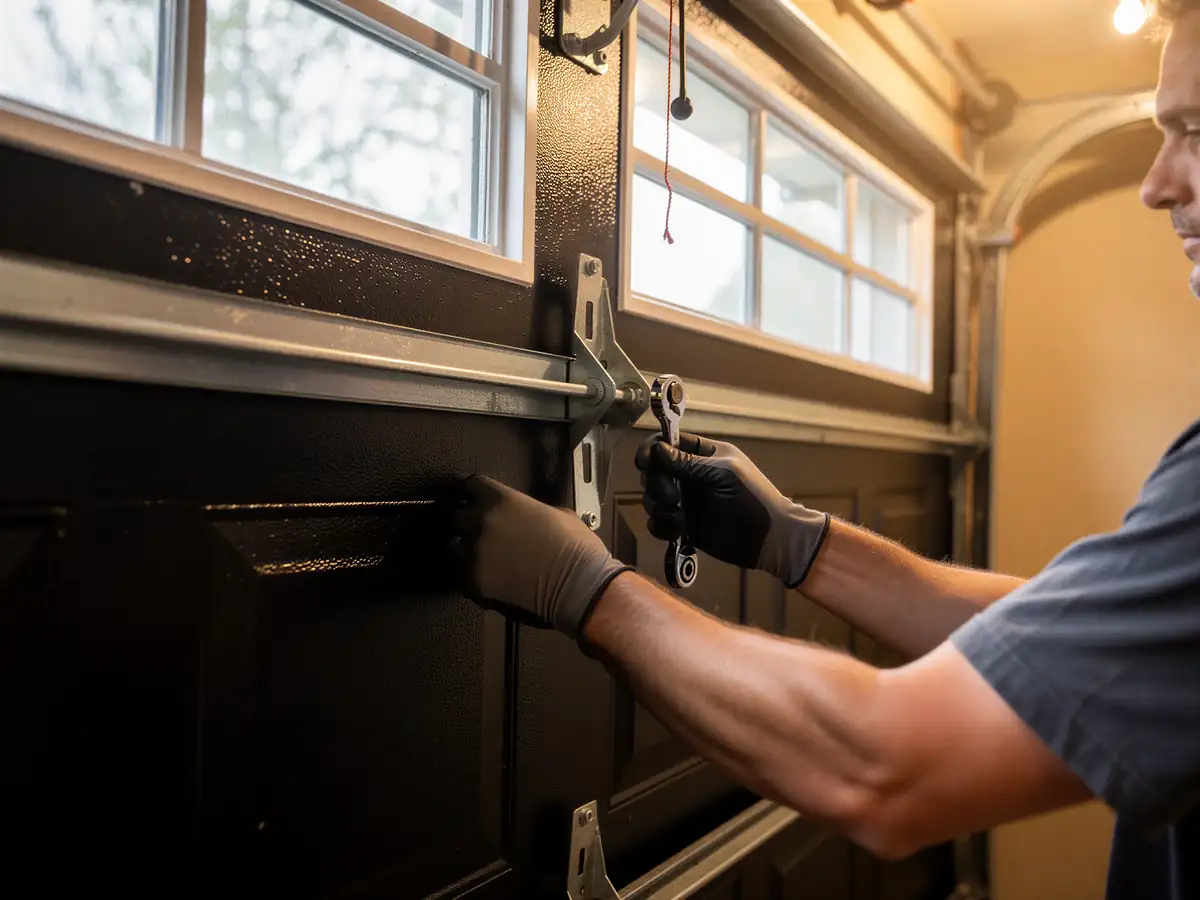
Same goes for swapping in a battery-backup opener on an older track and rail setup
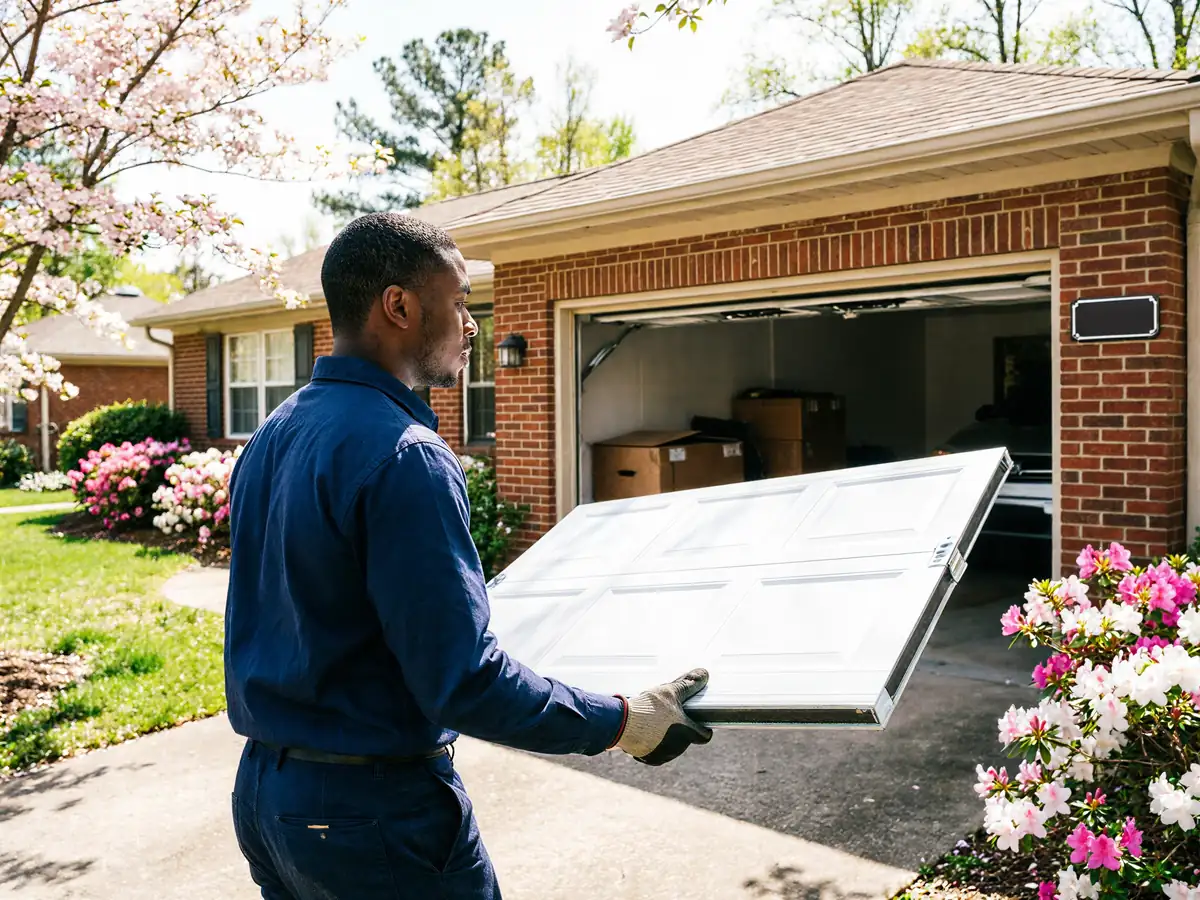
If the hardware predates 2002-era builder standards, as a lot of it here does, the mounting points and rail length aren't always a drop-in match for current units, and getting that wrong means a door that drops out of its track instead of one that just runs quiet during the next outage. That's a call-a-pro job, not a Saturday-afternoon one.
How it works
From “it’s stuck” to “it’s fixed”
01
Tell us what’s wrong
Describe the symptom - won’t open, loud bang, opener runs but the door won’t move.
02
On-site diagnosis
A technician tests the door under power and by hand and finds what actually failed.
03
Clear, up-front plan
You get the fix that’s needed and what drives the cost - before any work starts.
04
Repaired & tested
The repair is done, the door is set true and tested, and the work area left clean.
Not sure which repair your door needs in High Point, NC? Describe what it’s doing - every job starts with a diagnosis.
Straight answers about garage door repair in High Point. Still unsure? Ask us directly.
Why doesn't my garage door opener work when the power goes out?
Most openers installed with houses built in this area between 1976 and 2002 are chain-drive units with no battery backup - that feature wasn't standard then. When power cuts, the motor stops wherever it was in the cycle. You can still move the door using the manual release cord, but the opener itself stays dead until power returns.
Is it worth upgrading to a battery-backup opener in High Point?
Given the cold-moderate climate here, power cuts happen often enough - mostly from ice, not heat - that a battery-backup opener pays off for anyone who's been stuck with a dead door more than once. It's a one-time cost rather than a recurring one, which is how most owners in this income bracket end up deciding.
Can I use the manual release every time the power goes out?
Yes, that's exactly what it's for, as long as the spring is carrying the door's weight correctly. If the door won't lift by hand smoothly after you pull the release, stop - that points to a spring problem, not a power problem, and that's not a DIY fix.