
How far out is Trinity from your shop in High Point?
About eight miles. That's close enough that we regularly route Trinity jobs alongside calls in Archdale or Jamestown, which keeps scheduling reasonable even though we're not based in town.
Garage door repair and install for Trinity, NC, built mostly in the late 1970s. We run the 8-mile stretch from High Point and know the older hardware.
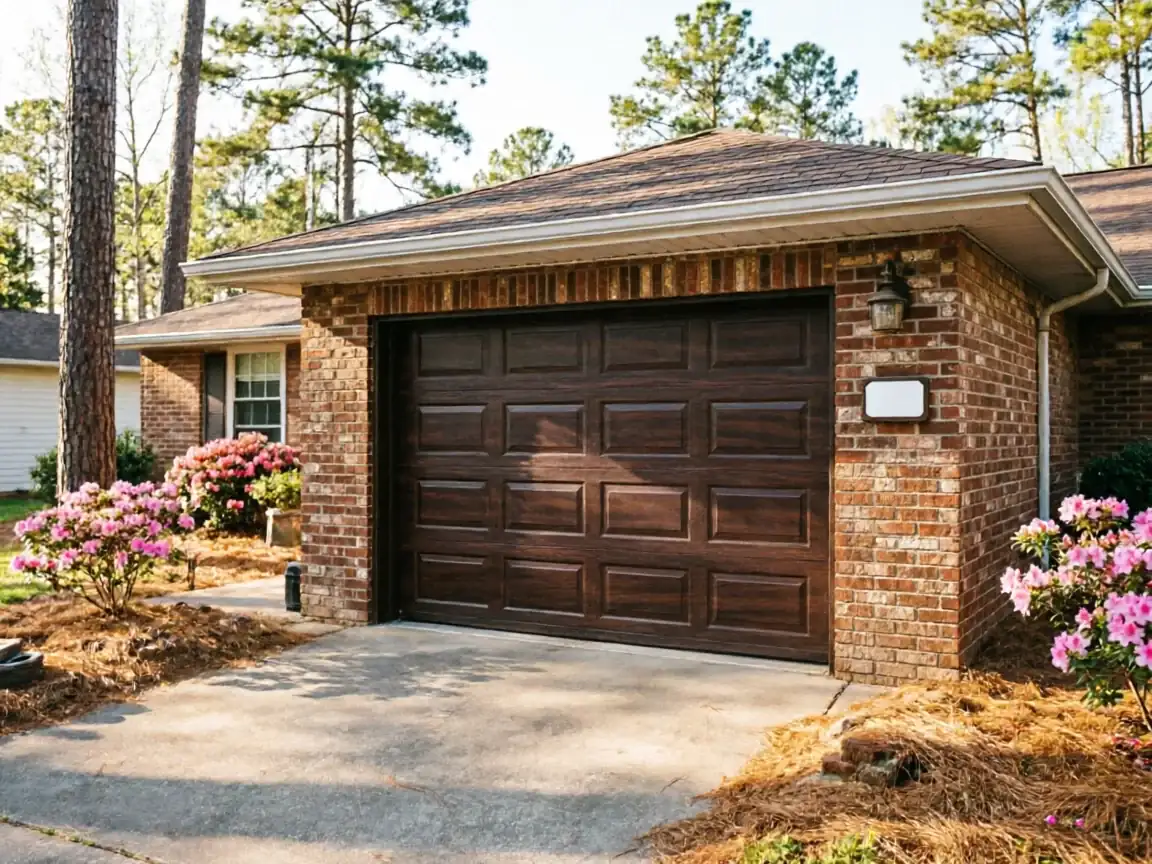
Because the job changes with the door in front of us. What we can tell you is what drives the cost: Trinity's housing mostly went up around 1977, a full decade ahead of the median build year across our wider service area. That means original torsion springs, older galvanized track, and openers that have usually been swapped out once or twice already by the time we get the call. A spring job on a door that age often costs more than the same repair on a 2005 build, simply because the drums and bearing plates aren't always a direct match for what's on the truck. We'll tell you on site what the part costs before we touch anything, and if a full door swap makes more sense than another patch repair, we'll say that too instead of running up a bill on a door that's done.
If your door uses a track width nobody's made since the Reagan administration, we may need a day to source the part rather than finish same-visit.
On a late-1970s door, the fix usually starts with the spring system, not the opener. Houses built in that stretch were mostly fitted with standard torsion springs rated for heavier wood or early steel panels, and thirty-plus years of cycling wears the coil out long before the door itself looks bad. We check the drums, the end bearing plates, and the lift cable condition before we touch the spring itself, because on a door this age one worn part often takes another with it.
Track alignment is the second thing we look at. Original installs in this era used lighter gauge rail than what ships today, and years of settling can leave the rollers riding rough on one side. If the opener's been replaced more recently than the door, the mounting bracket sometimes doesn't line up clean with the original header, which shows up as a grinding sound on the way up. We true the track, replace what's worn, and only talk opener upgrade if the motor itself is the actual problem, not the hardware it's bolted to.
Trinity sits about eight miles out from High Point, and that distance shapes how we schedule more than anything else. A broken spring on a Tuesday afternoon doesn't get the same slot as a same-day emergency across town from the shop - we're honest about that up front. What usually works well is stacking Trinity calls with stops in Archdale or Jamestown, both closer in on the same stretch, so the truck isn't making a dedicated trip for one job.
If you call and we've got something already routed near Trinity that day, we can often slide you in faster than the next open slot would suggest. If not, we'll give you a window and stick to it rather than promise something tied to the shop's location instead of the actual drive.
But they're enough to matter on a door built before insulated panels were standard. A lot of Trinity's 1977-era stock still runs single-layer steel or the original wood panel, and in a cold stretch that uninsulated door transmits temperature straight into the garage - not a safety issue, but it explains why some owners notice the door feeling heavier to lift on a cold morning. The steel contracts slightly, the weatherstrip stiffens, and the balance that felt fine in September can feel off by January.
With roughly 2,628 households in Trinity and a housing stock that skews older than the service area's overall median of 1987, we see more doors here running original hardware that's simply no longer manufactured. That means some repairs take an extra day while we source a compatible bracket or drum rather than a direct replacement part.
The failure pattern in Trinity is pretty consistent: original torsion spring, original track, and a door that's been painted over more times than it's been serviced. That combination fails the same way across the 1977-era houses we see here - the spring goes first, often without warning, because nobody's replaced it since the house was built. On a door this old, a broken spring under load can also crack a bottom panel bracket if the door's been running unbalanced for a while, which turns a spring job into a two-part repair.
We don't see this pattern the same way in the newer construction closer to Kernersville or out toward Oak Ridge, where the housing stock runs younger and the hardware's had fewer decades to wear. In Trinity, age of the house is doing most of the work predicting what's actually wrong with the door.
Swapping a worn bottom roller or tightening a loose track bracket is reasonable DIY territory on any door, including the older ones common in Trinity. A torsion spring is not. The spring on a standard door built in this era is under enough tension to do real damage if it lets go while you're working on it, and the winding bars and clamps that make it safe aren't something most homeowners keep in the garage.
If your door is sagging on one side, making a grinding noise on the way up, or the opener strains and reverses partway through the cycle, that's spring or track wear, not something to force past with WD-40 and hope. Call it in before the cable snaps - a cable failure under load is a worse repair than the spring job that caused it.
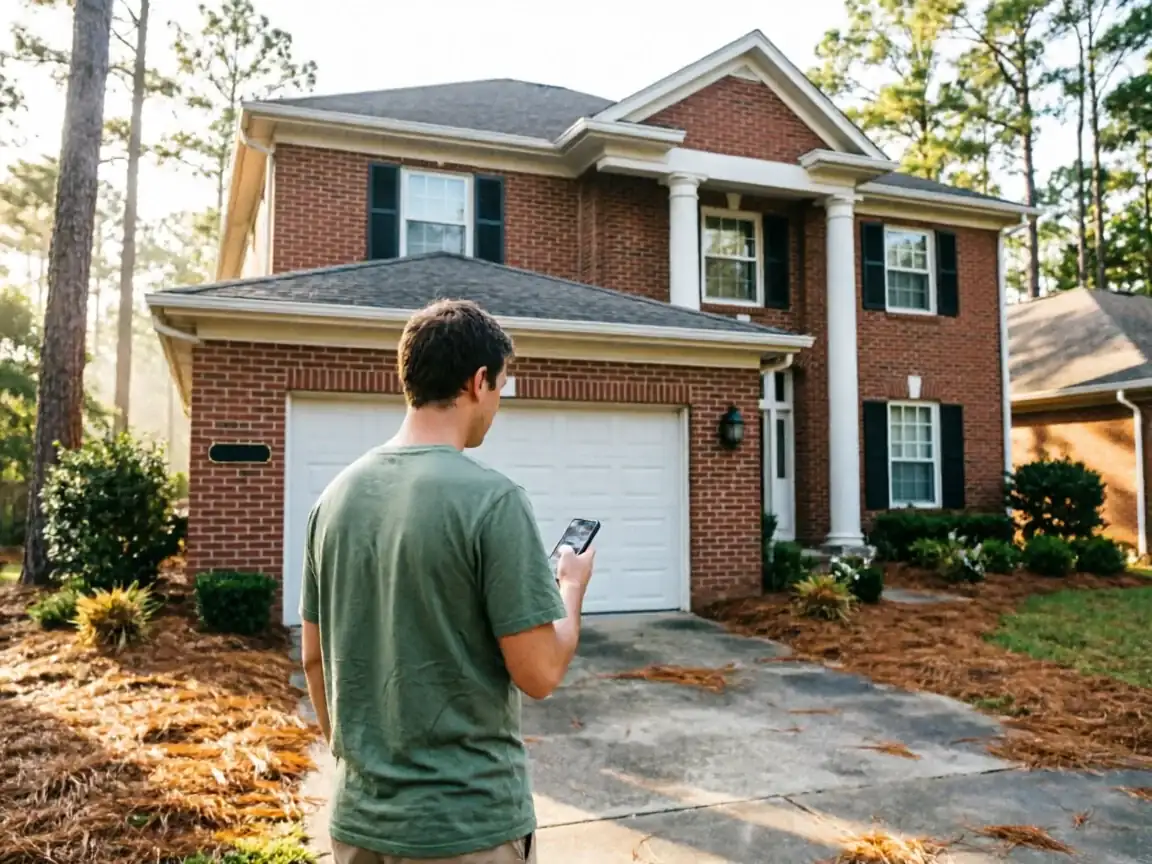
Describe the symptom - won’t open, loud bang, opener runs but the door won’t move.
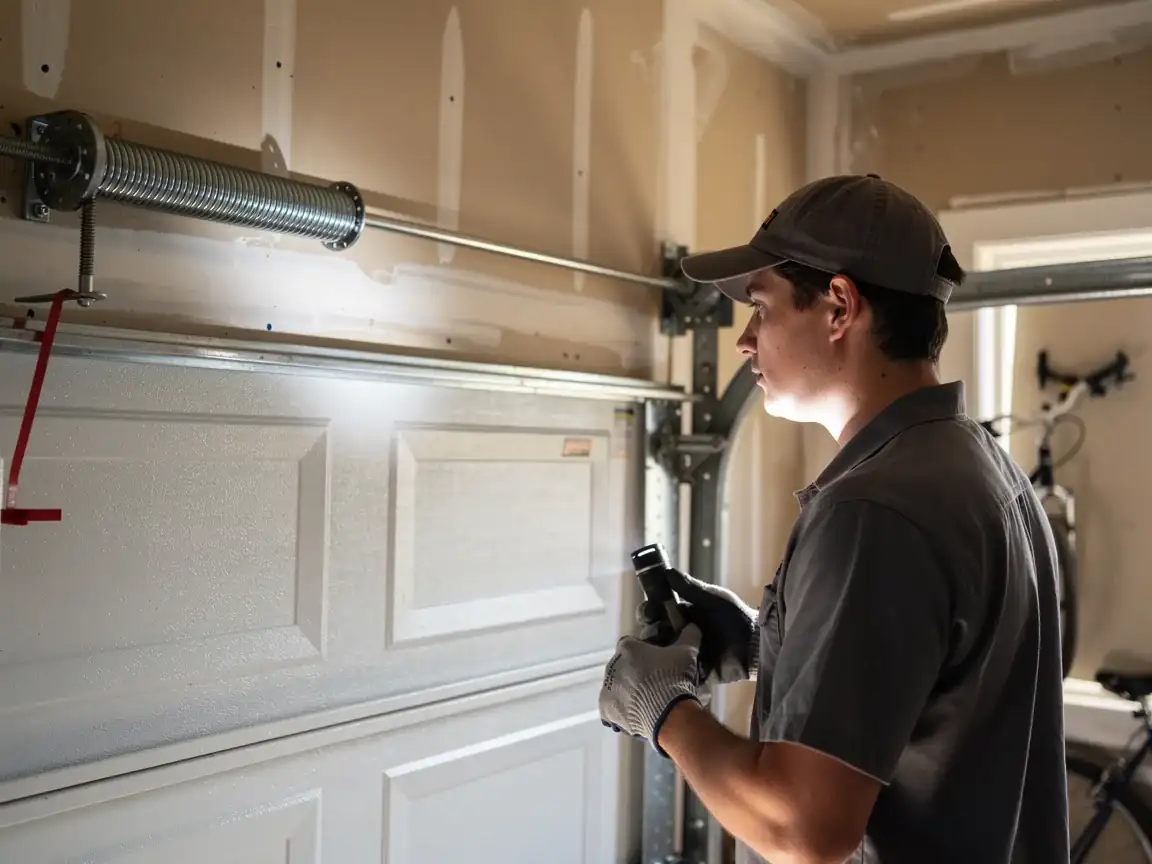
A technician tests the door under power and by hand and finds what actually failed.
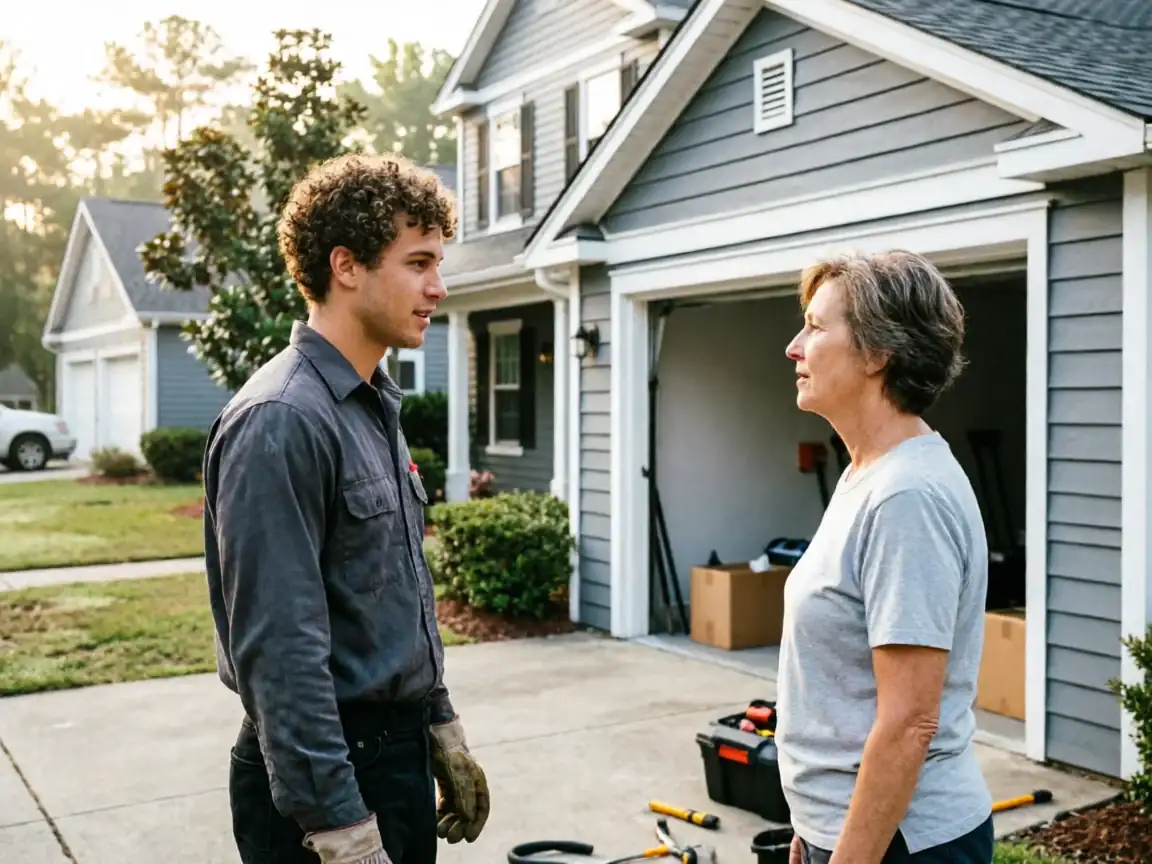
You get the fix that’s needed and what drives the cost - before any work starts.
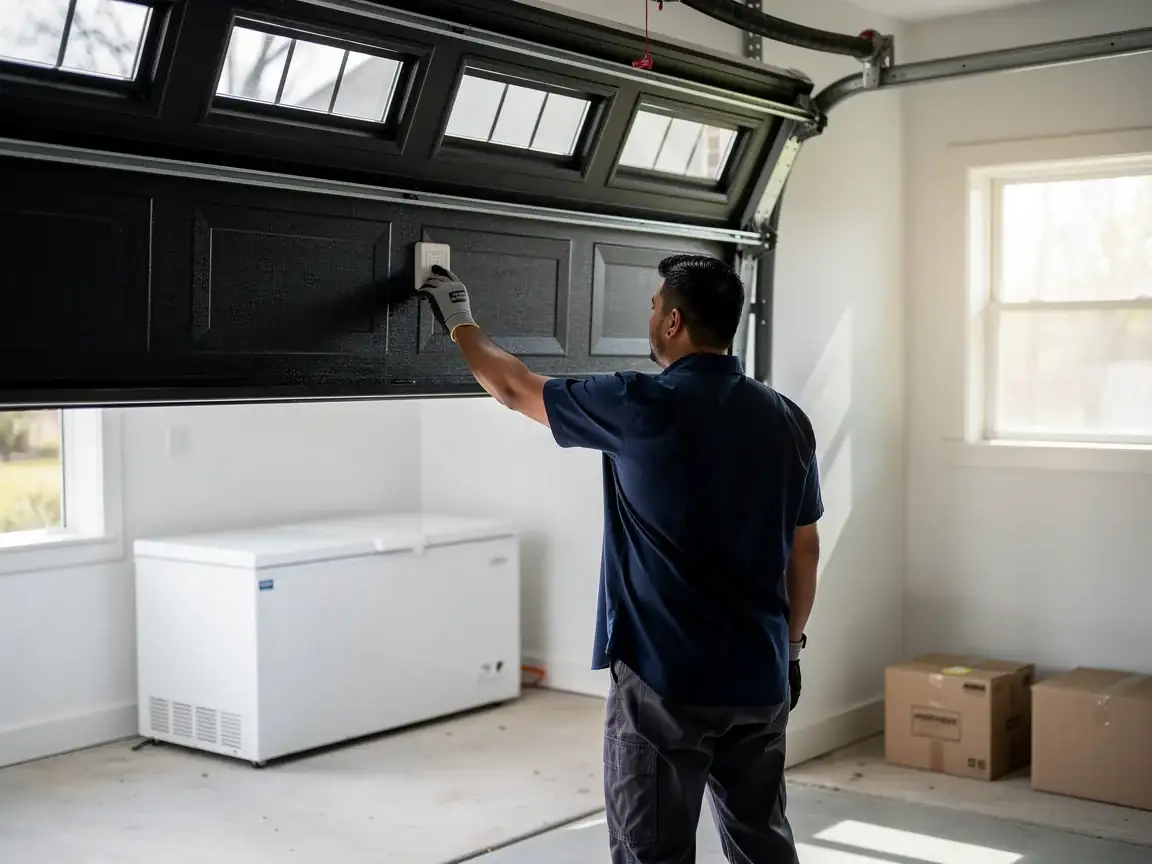
The repair is done, the door is set true and tested, and the work area left clean.
A straight, honest approach on every High Point job - diagnosis first, the right parts, and clean work.
Every visit starts by finding what actually failed - not a pre-written parts list.
Springs and openers matched to the door’s weight and age, so the fix holds up.
When a repair makes more sense than a replacement - or the reverse - you hear it plainly.
Tension released safely, hardware set true, the door tested under power before we leave.
Illustrative styles - sectional, insulated steel, carriage, and commercial doors.
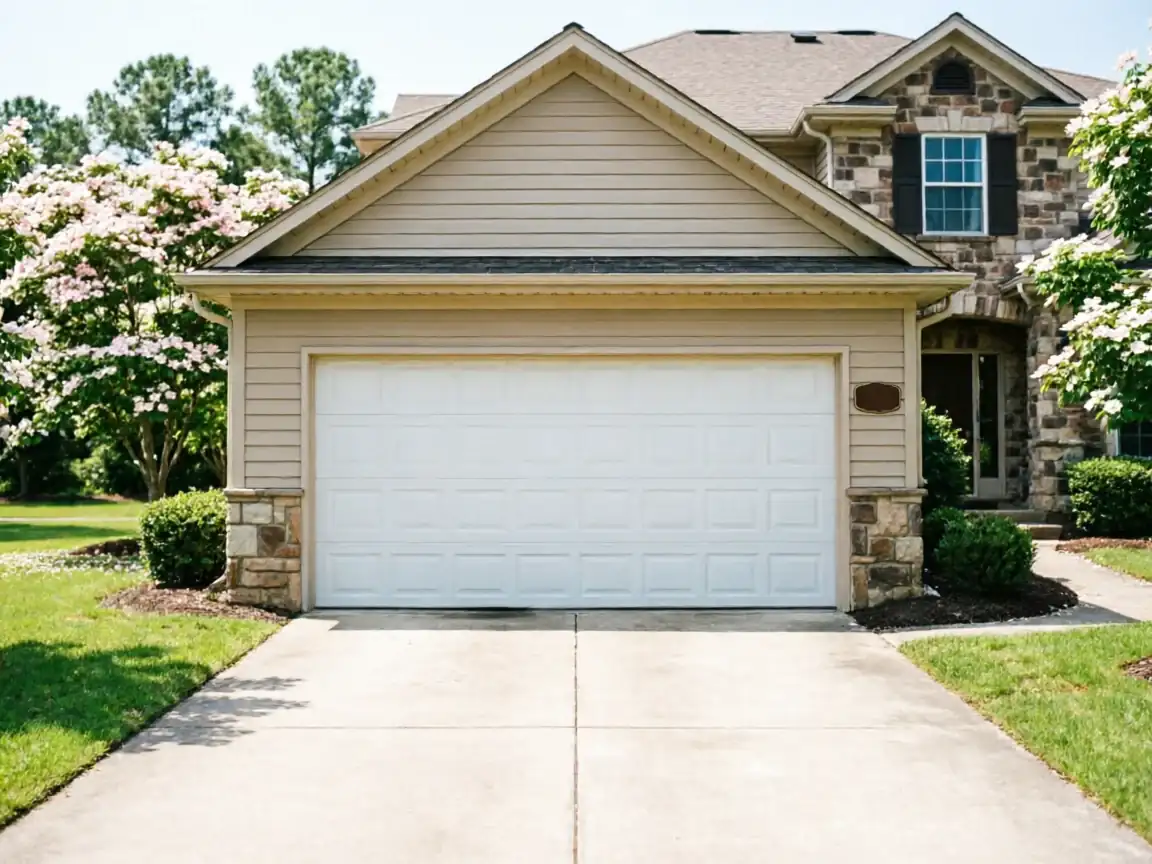
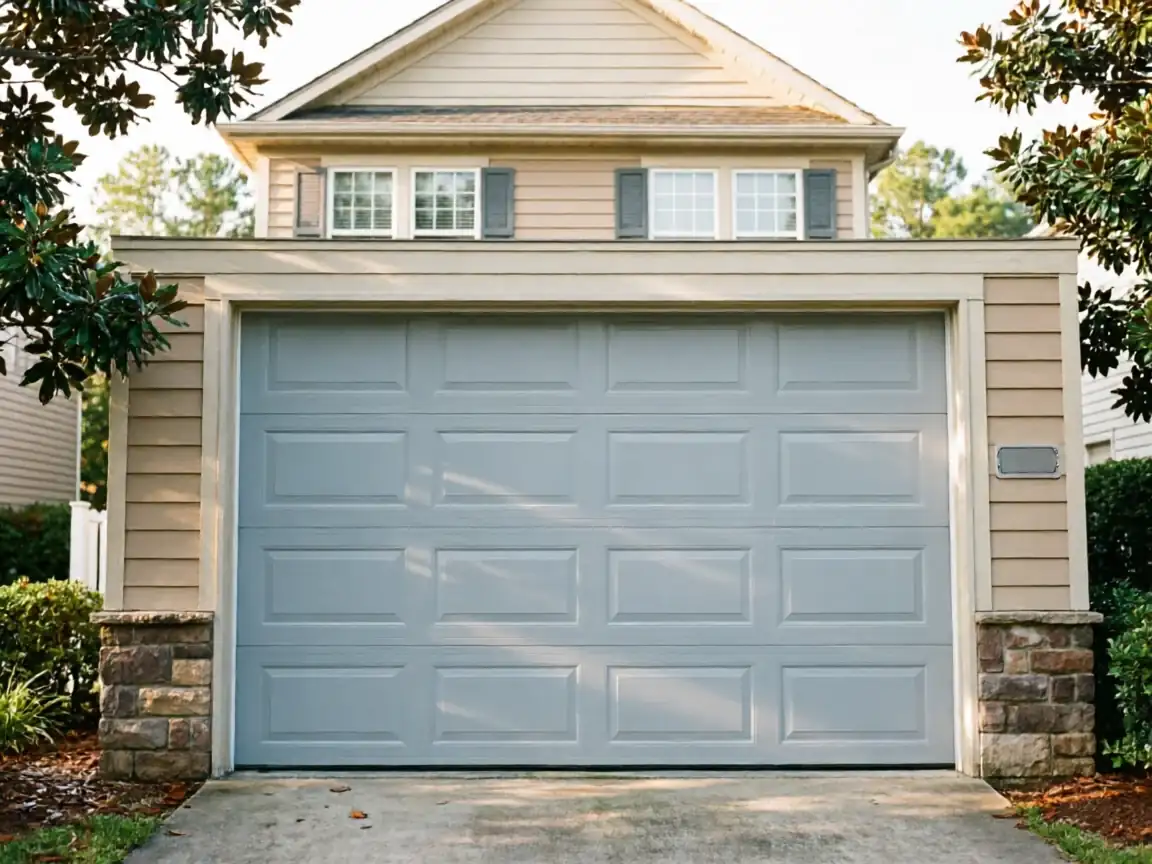
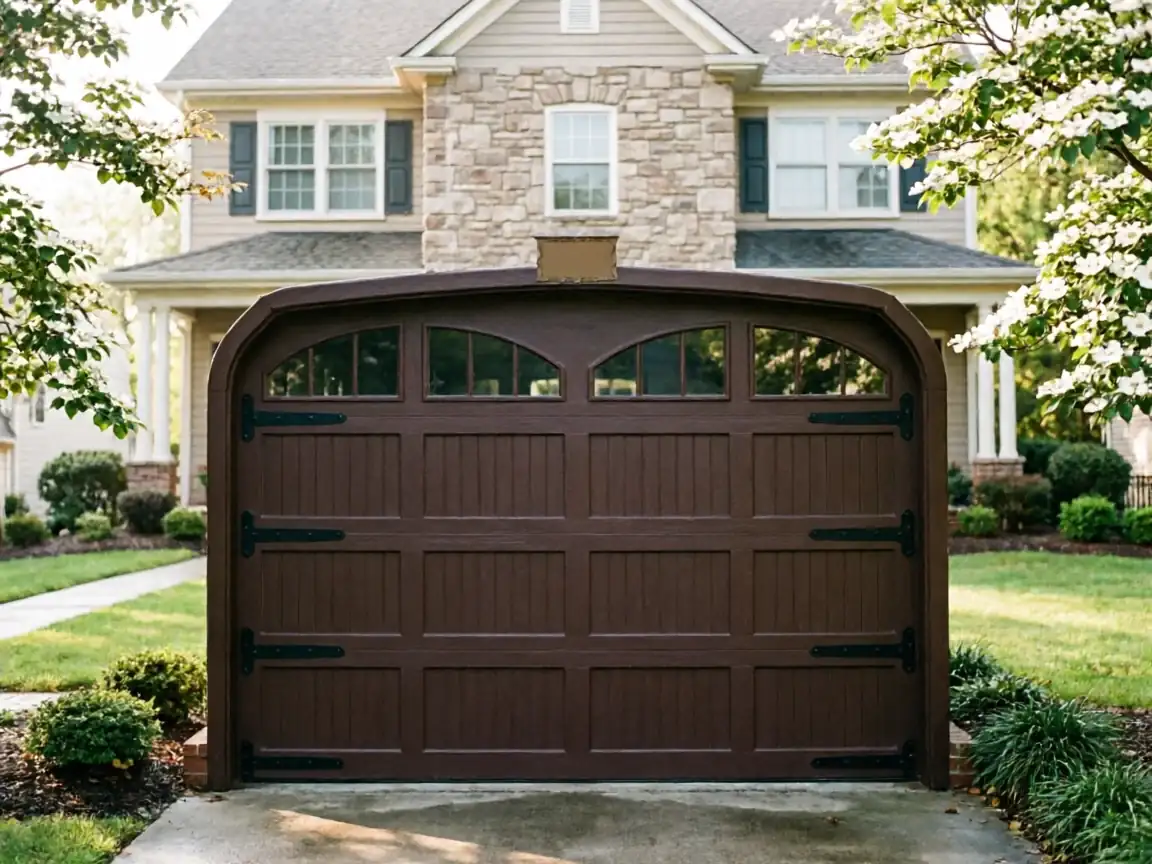
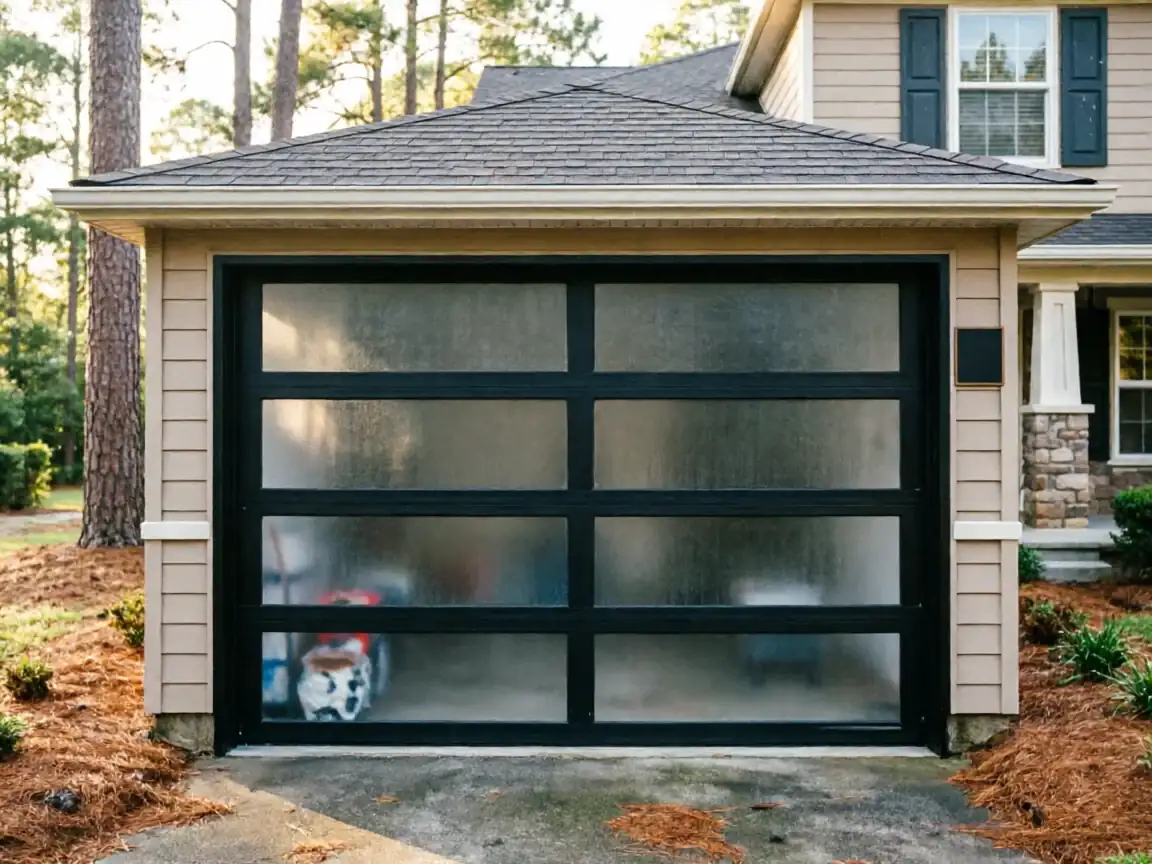
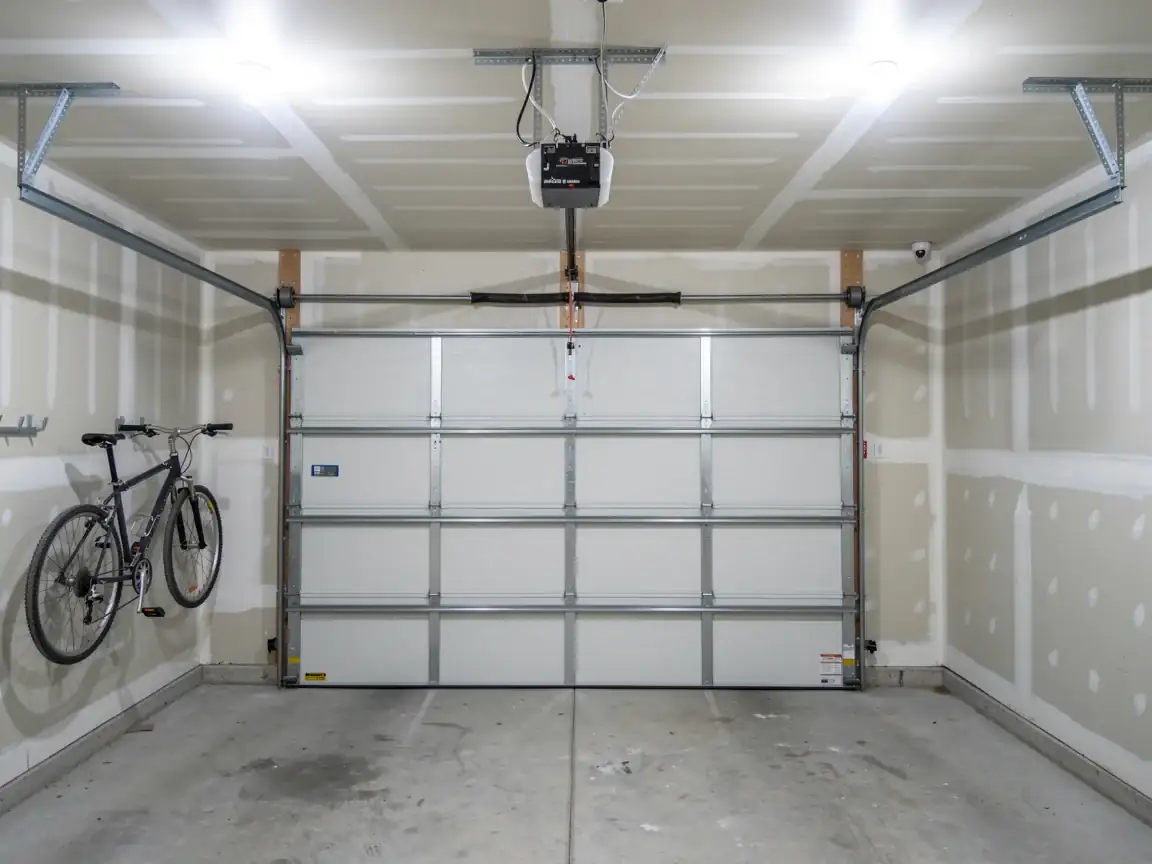
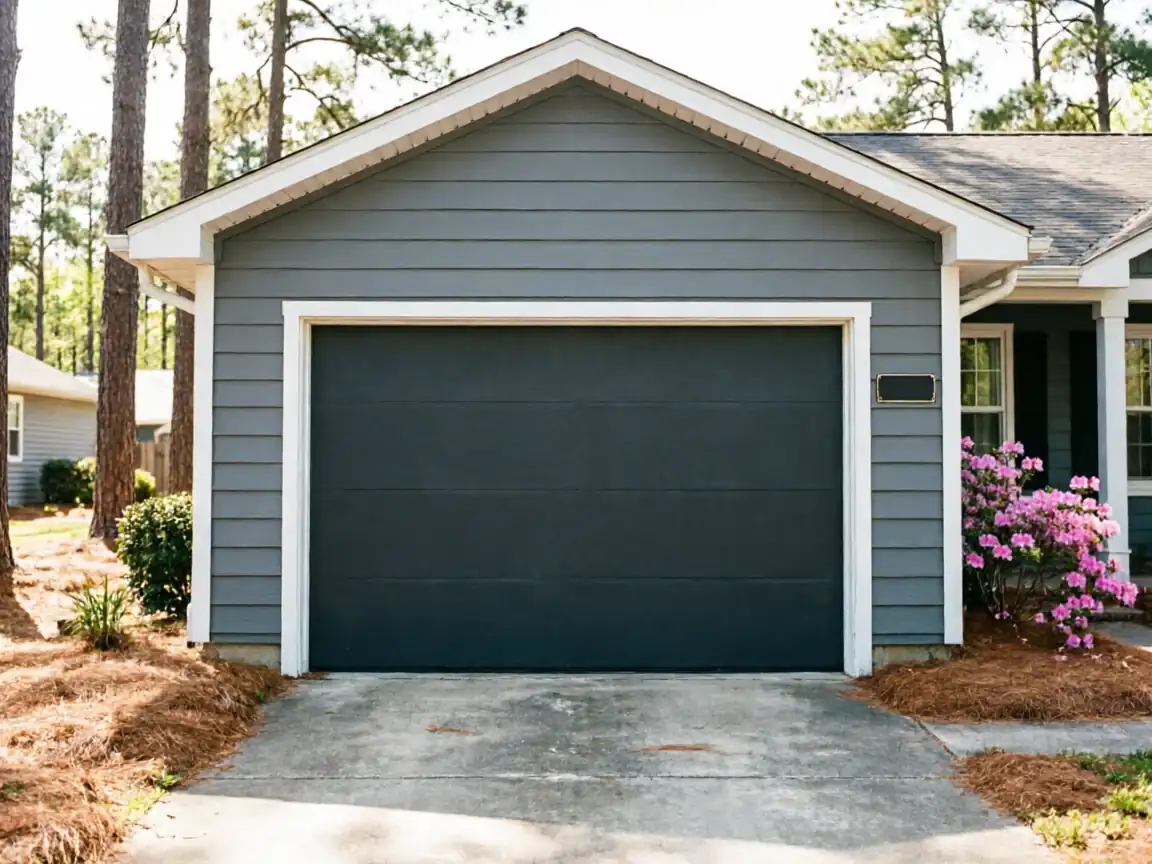
Other work we do for Trinity homes - each page covers that job for Trinity specifically.
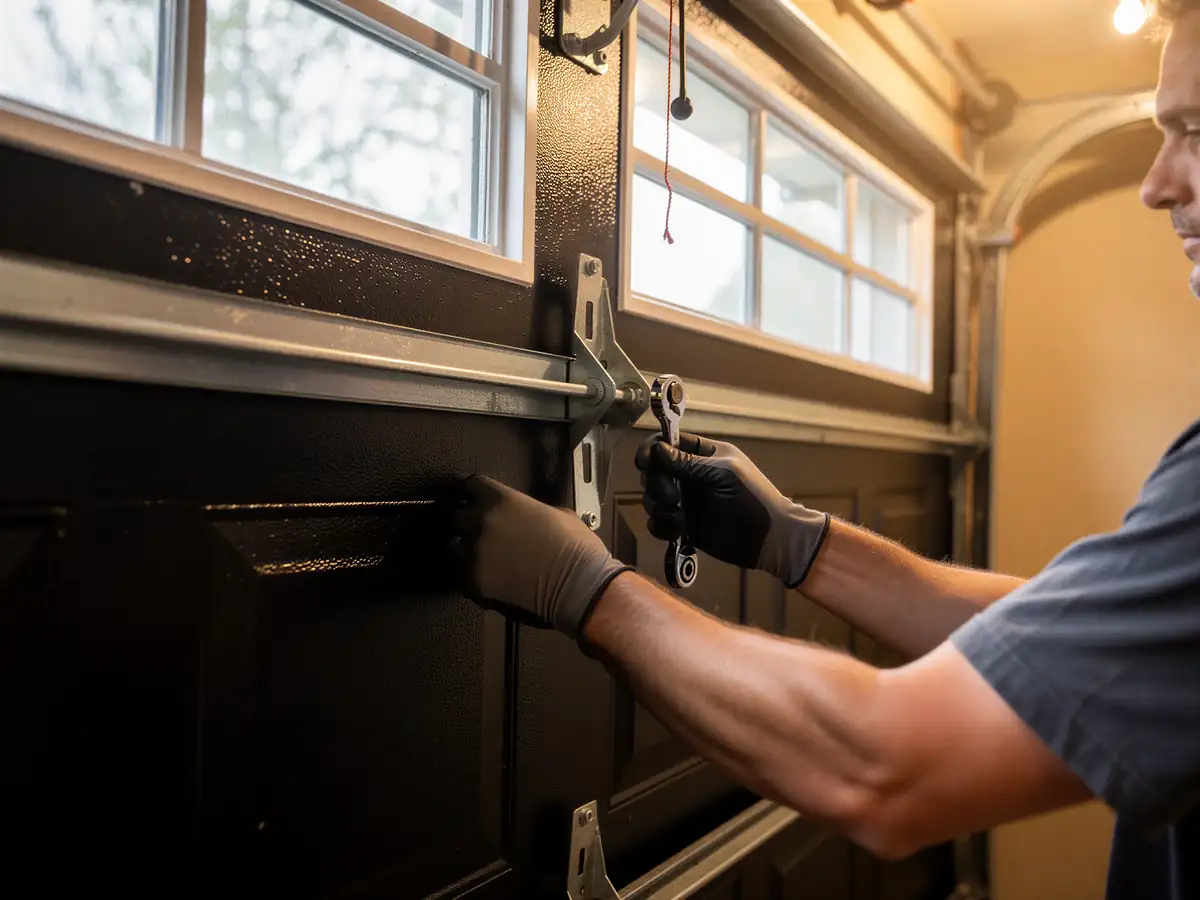
Trinity's housing runs older than the regional norm - median build year 1977. That means original springs and openers are past due. We travel from High Point to fix them.
Learn more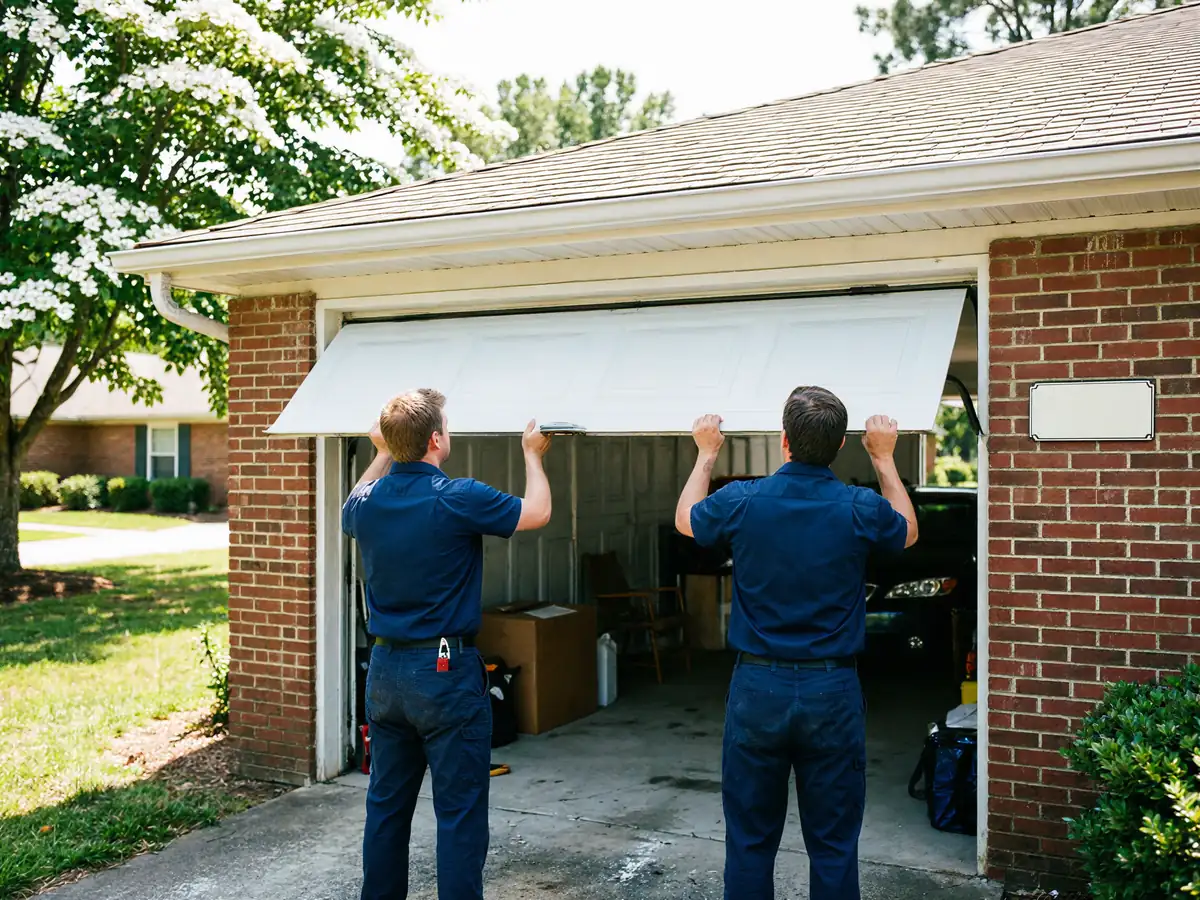
Trinity has about 2,628 households and a housing stock that runs older than the rest of the service area. Here's what a new door install actually involves out here.
Learn more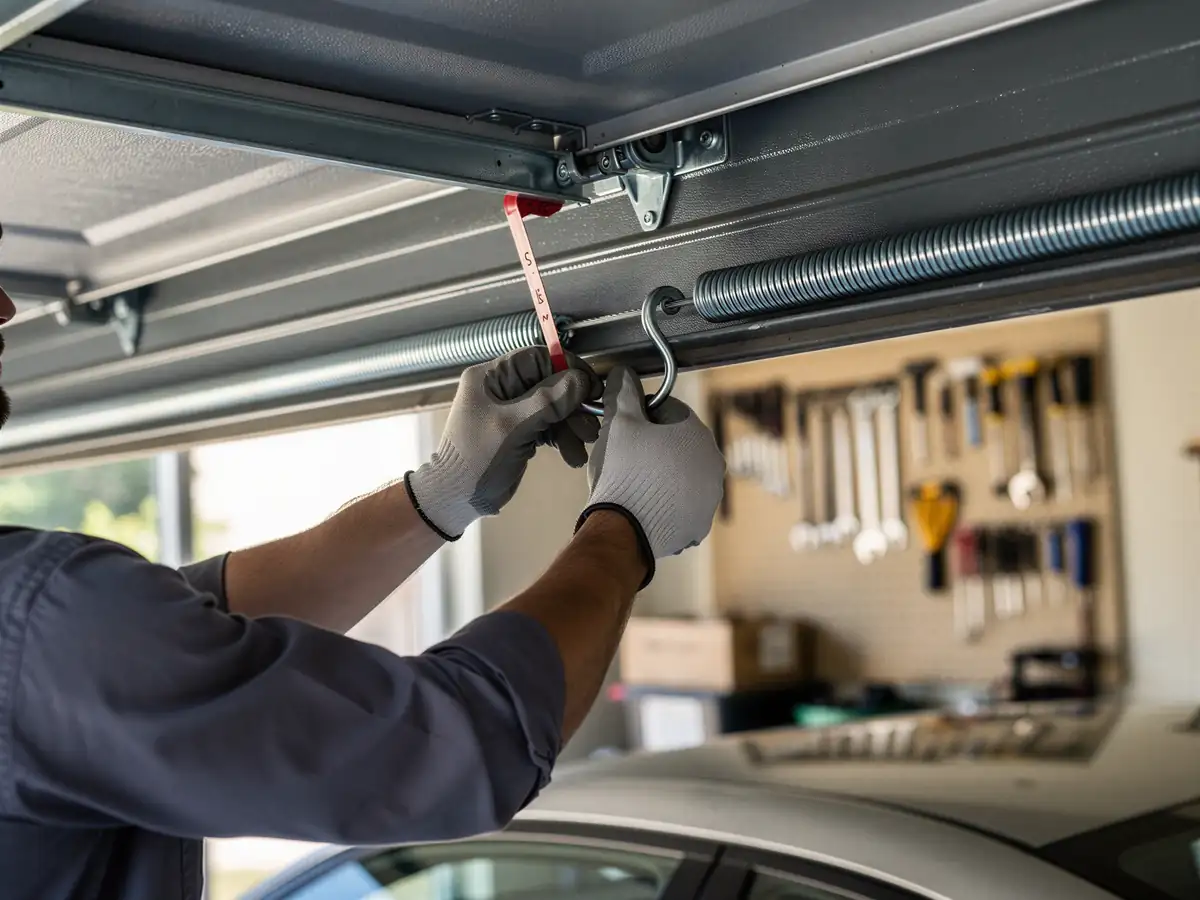
Trinity homes built around 1977 are on their second or third spring set by now. We travel from High Point for torsion and extension spring repair on these doors.
Learn more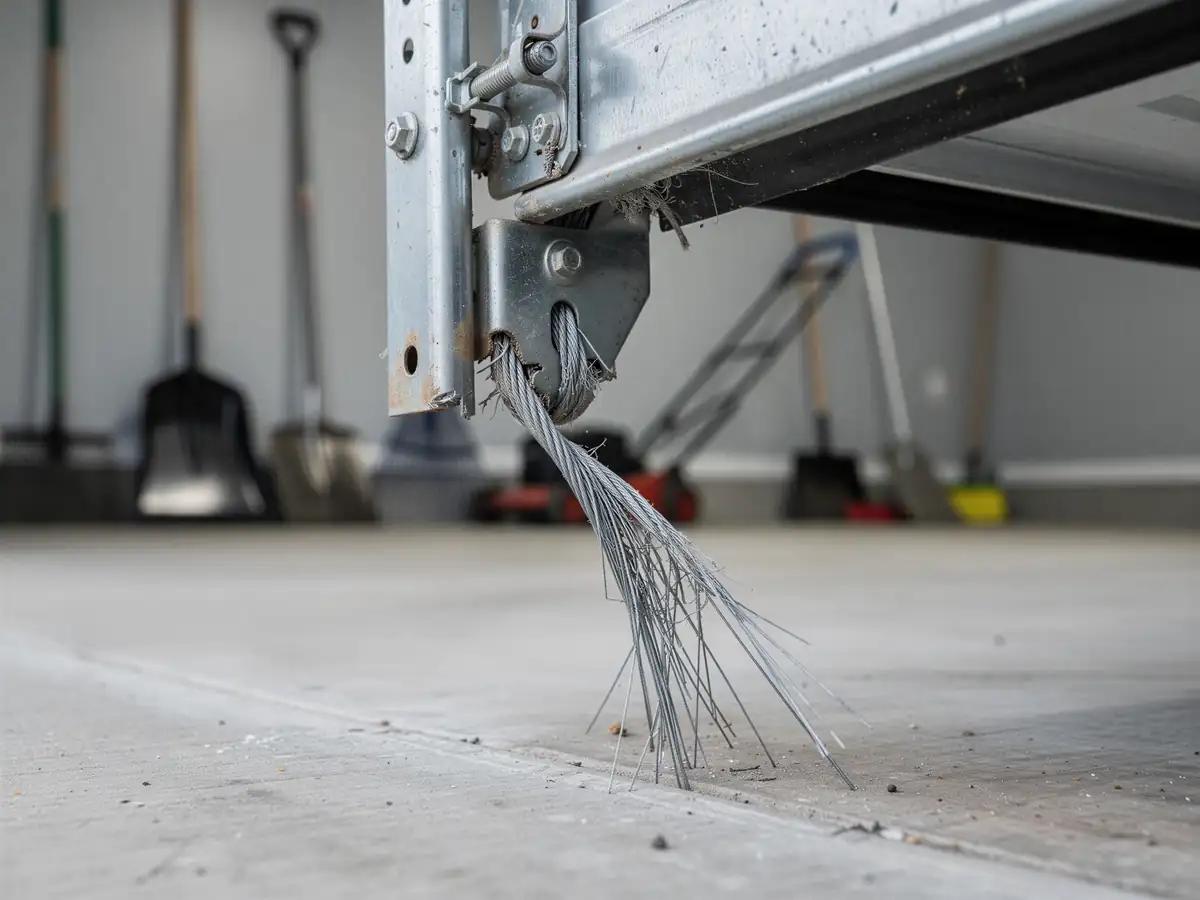
Trinity homes mostly date to 1977, a decade older than the area median. See what that means for broken garage door cables and when replacement beats repair.
Learn more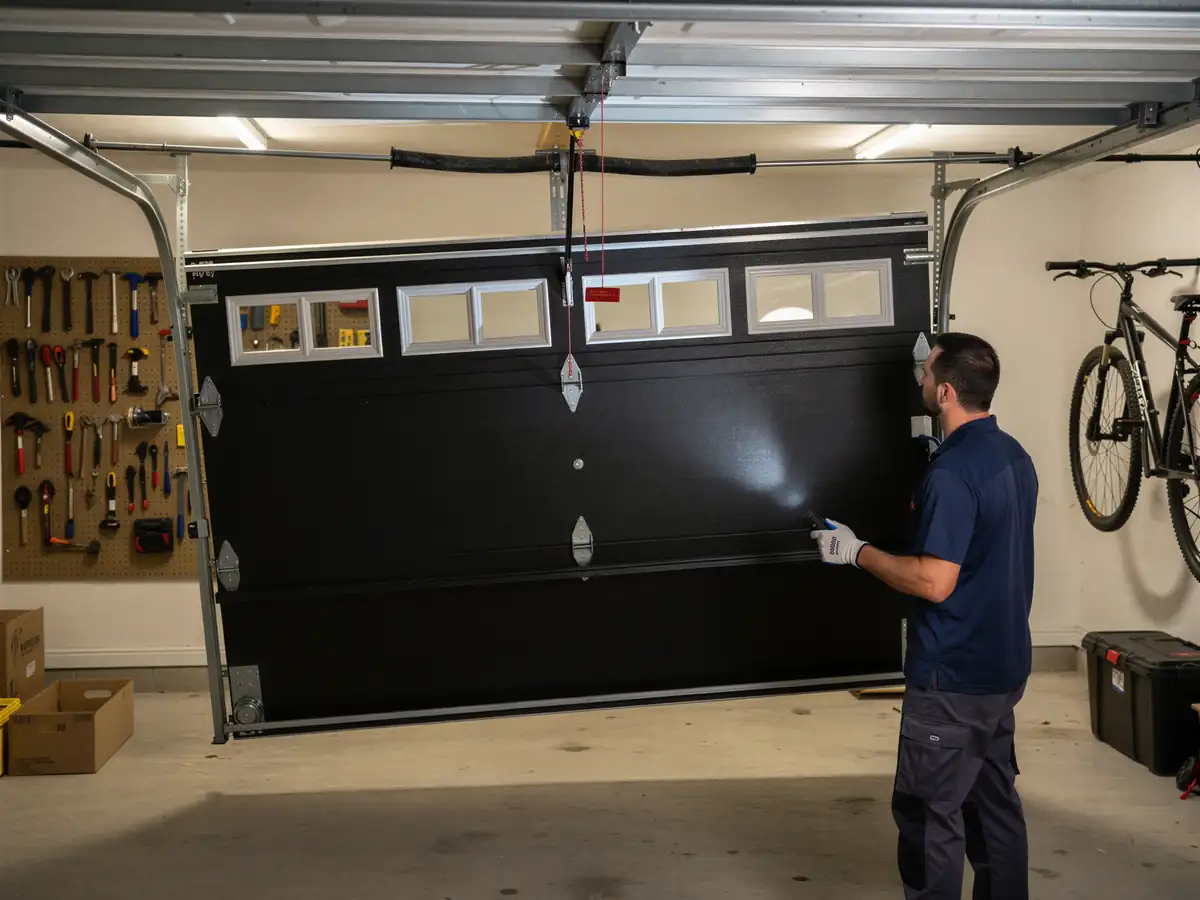
Trinity's garage doors date mostly to 1977, a decade ahead of the area median. That older steel track hardware is why doors jump the roller here. Fixed from High Point.
Learn more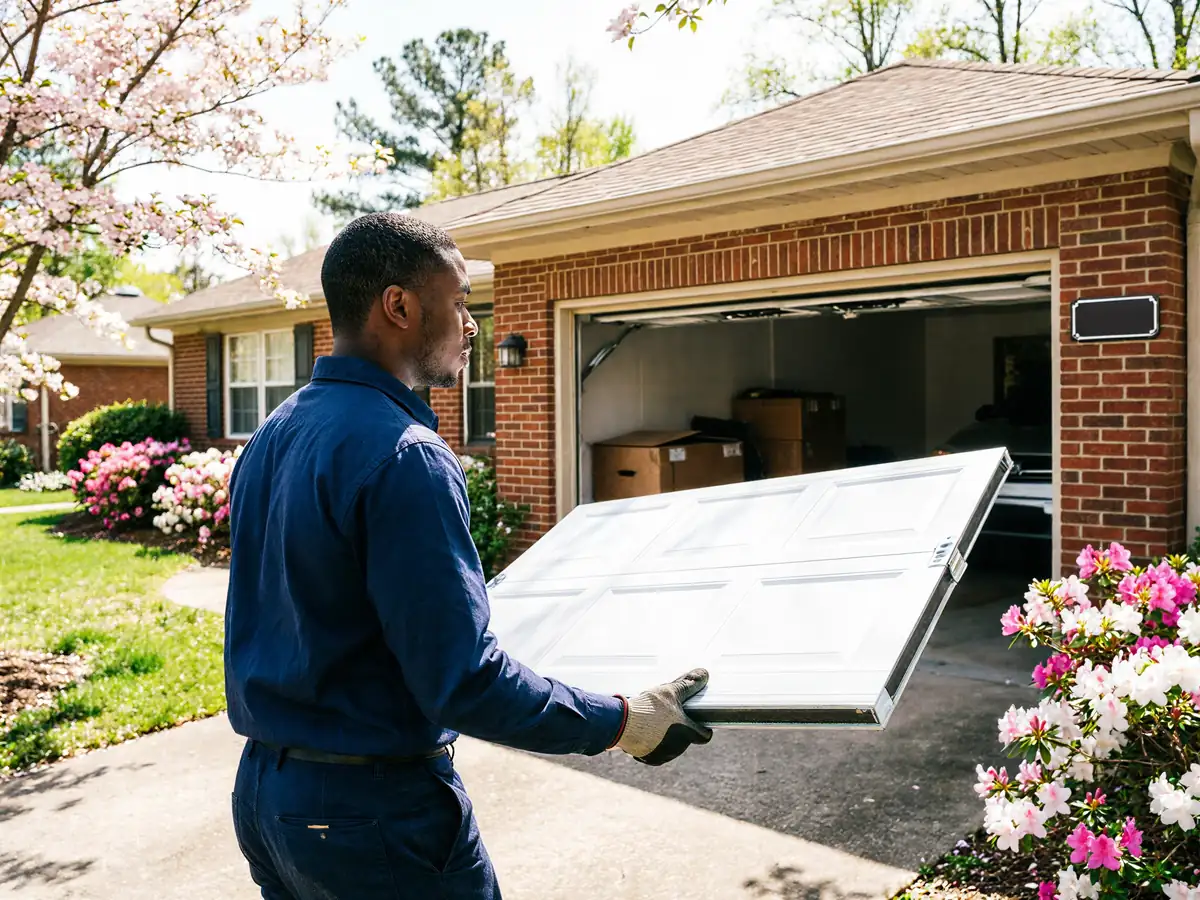
Trinity homes built around 1977 still carry original steel panels on hardware nobody stocks. Panel replacement from our High Point crew, 8 miles out, done right.
Learn more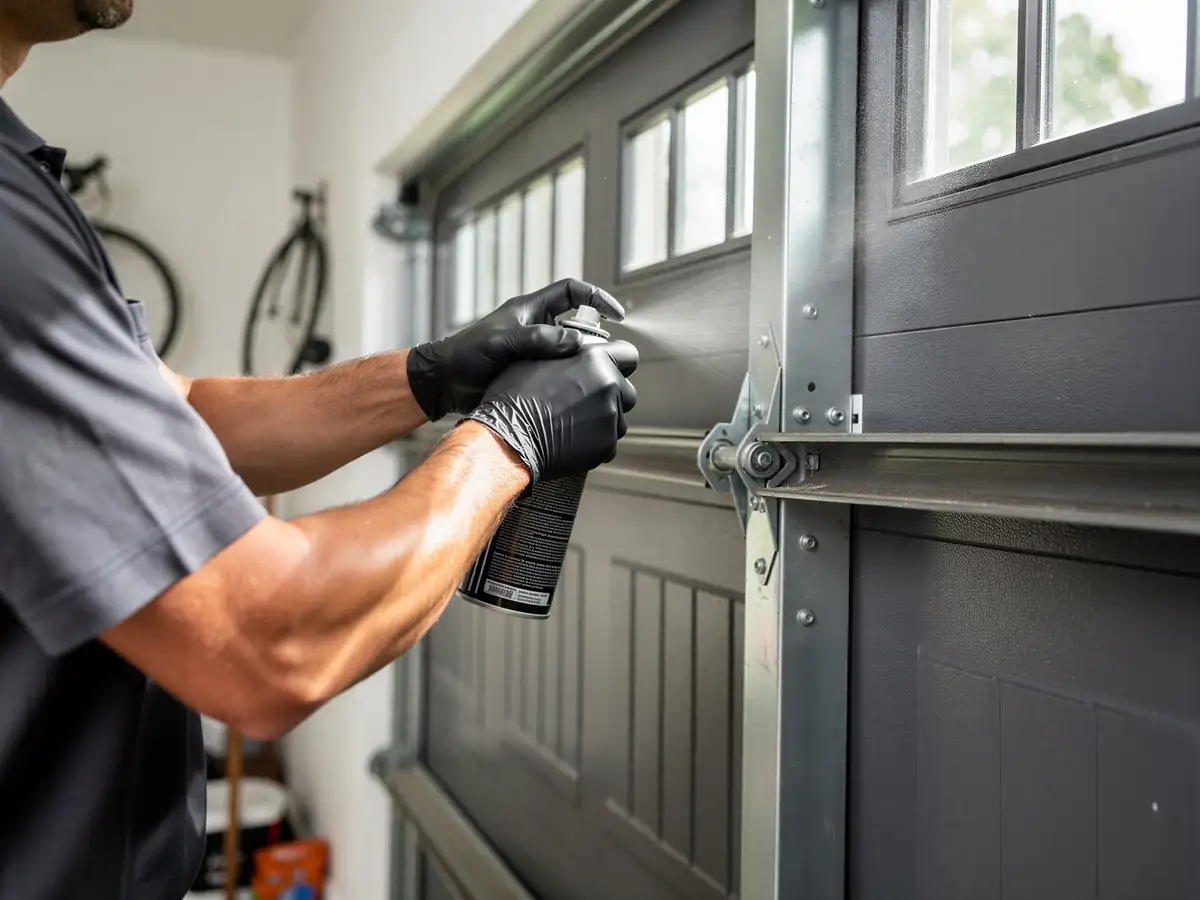
Trinity homes mostly date to 1977, a decade older than the typical build across the wider service area. That gap changes what maintenance actually needs to catch here.
Learn moreStraight answers about garage door repair in High Point. Still unsure? Ask us directly.
About eight miles. That's close enough that we regularly route Trinity jobs alongside calls in Archdale or Jamestown, which keeps scheduling reasonable even though we're not based in town.
Most Trinity houses date to around 1977 and many still run original steel or wood panels without modern insulation. Cold stiffens the weatherstrip and can tighten up the balance slightly, which makes an older door feel heavier to lift until it warms up.
We carry what fits most standard doors, but some 1970s-era brackets and drums aren't made anymore. On those jobs we're upfront if sourcing a compatible part means coming back the next day instead of finishing in one visit.
Depends on the door. If the panels are sound and it's just spring or track wear, repair usually makes sense. If the frame's warped or the panels are cracked, we'll tell you straight that a new door costs less over time than patching one that's failing in more than one place.
Tell us what it’s doing and where you are in High Point - we’ll take it from there.