Garage Door Maintenance for Archdale's Mid-1980s Housing Stock
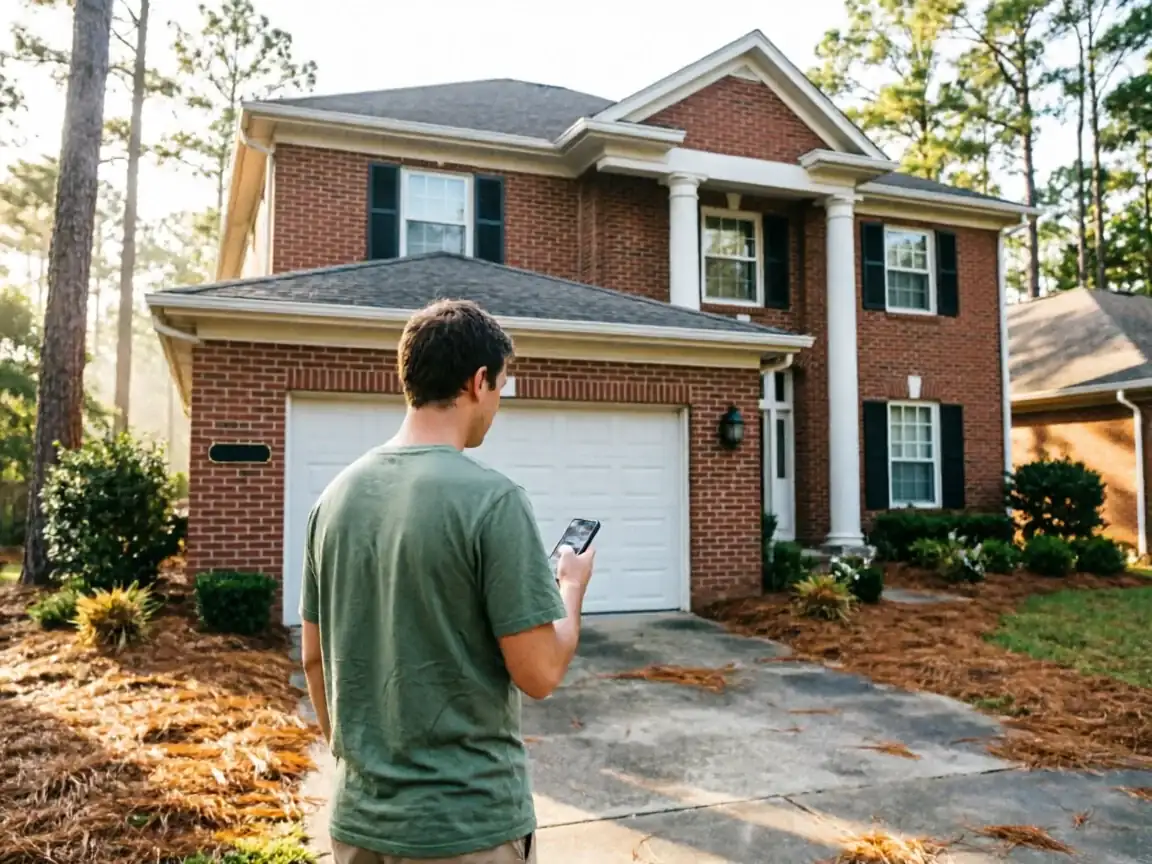
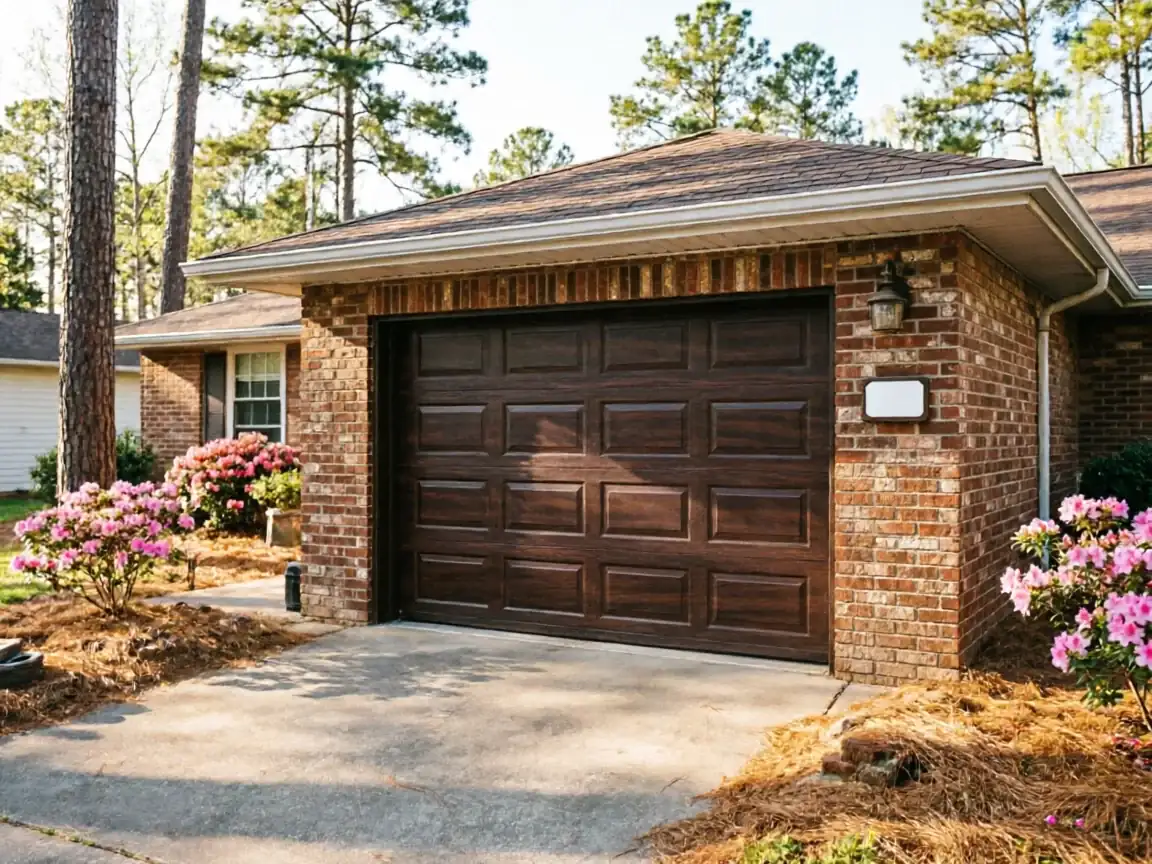
Archdale homes mostly went up in the mid-1980s. That means specific spring and opener hardware to check. Here's what maintenance looks like on this side of town.
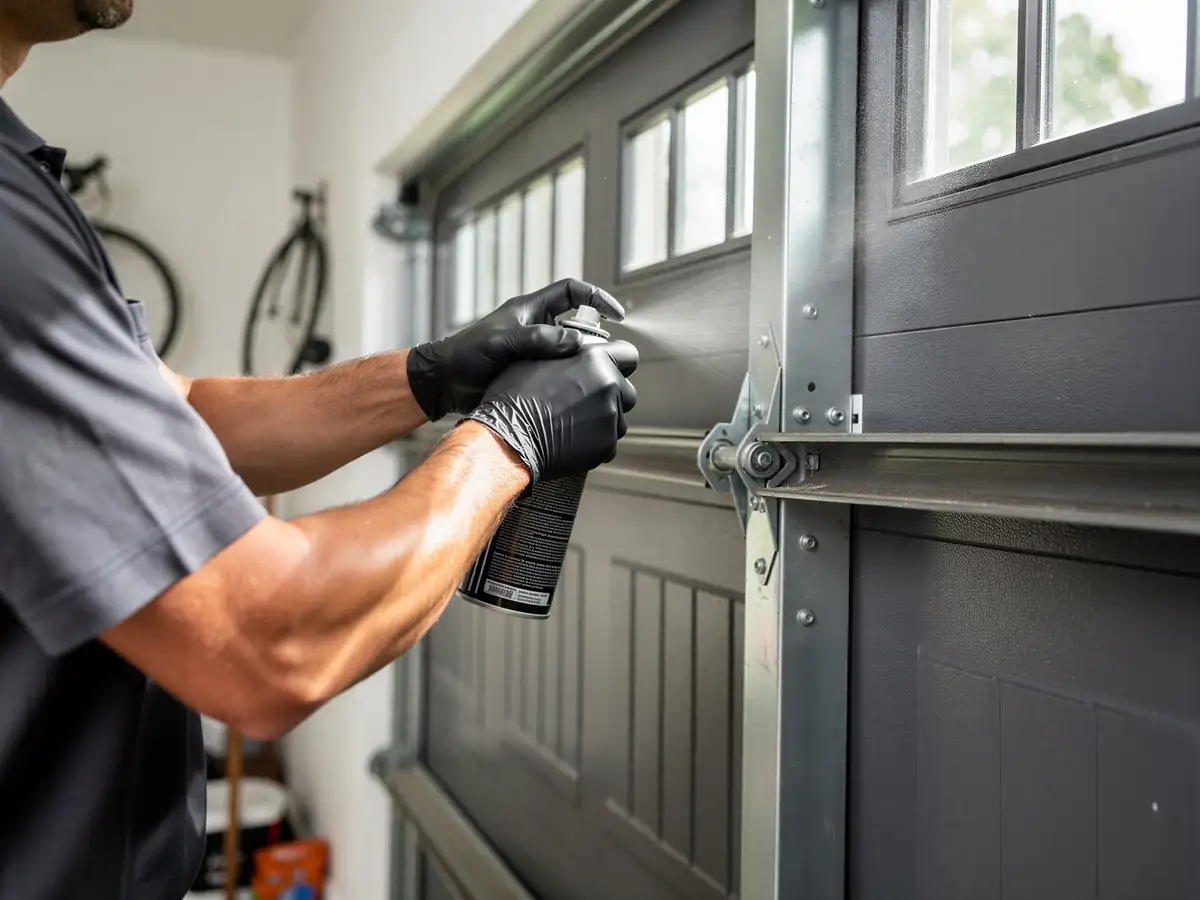
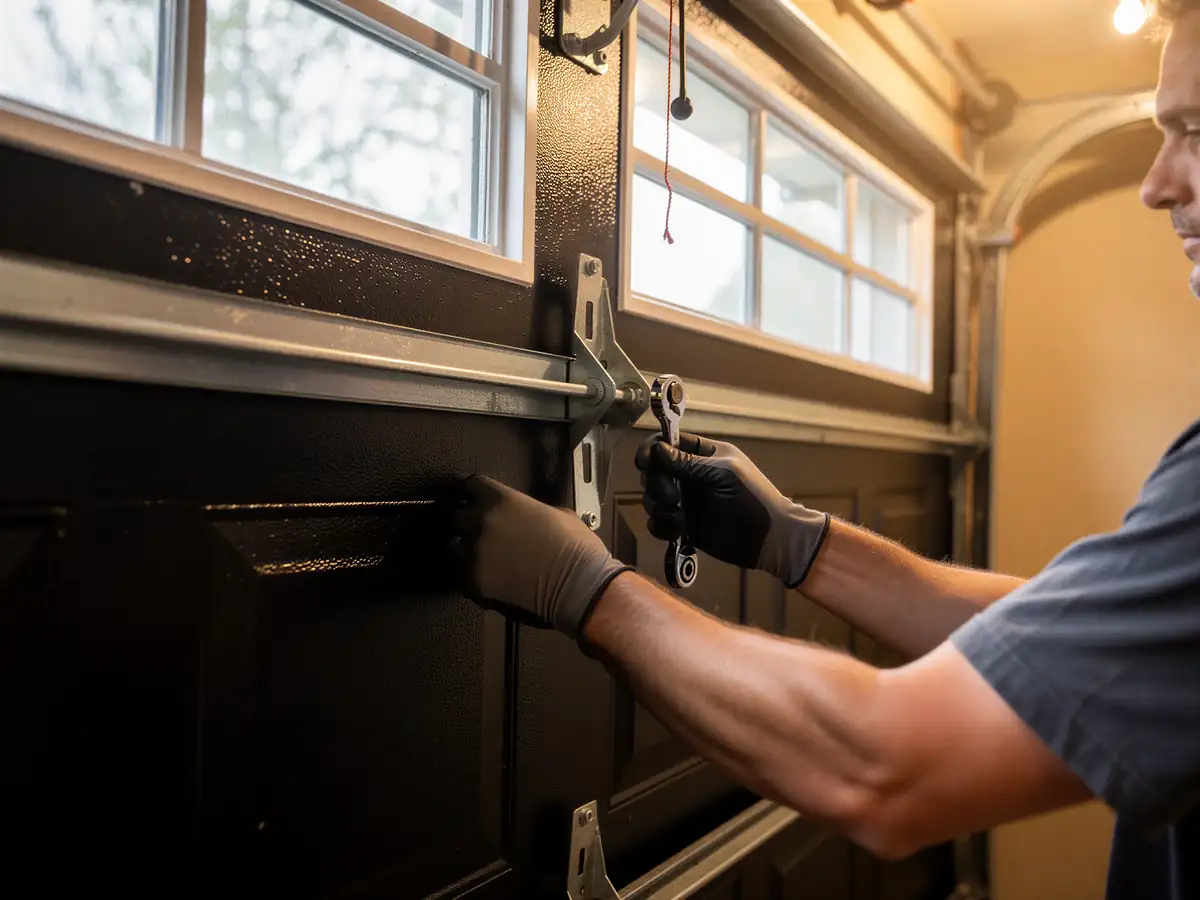
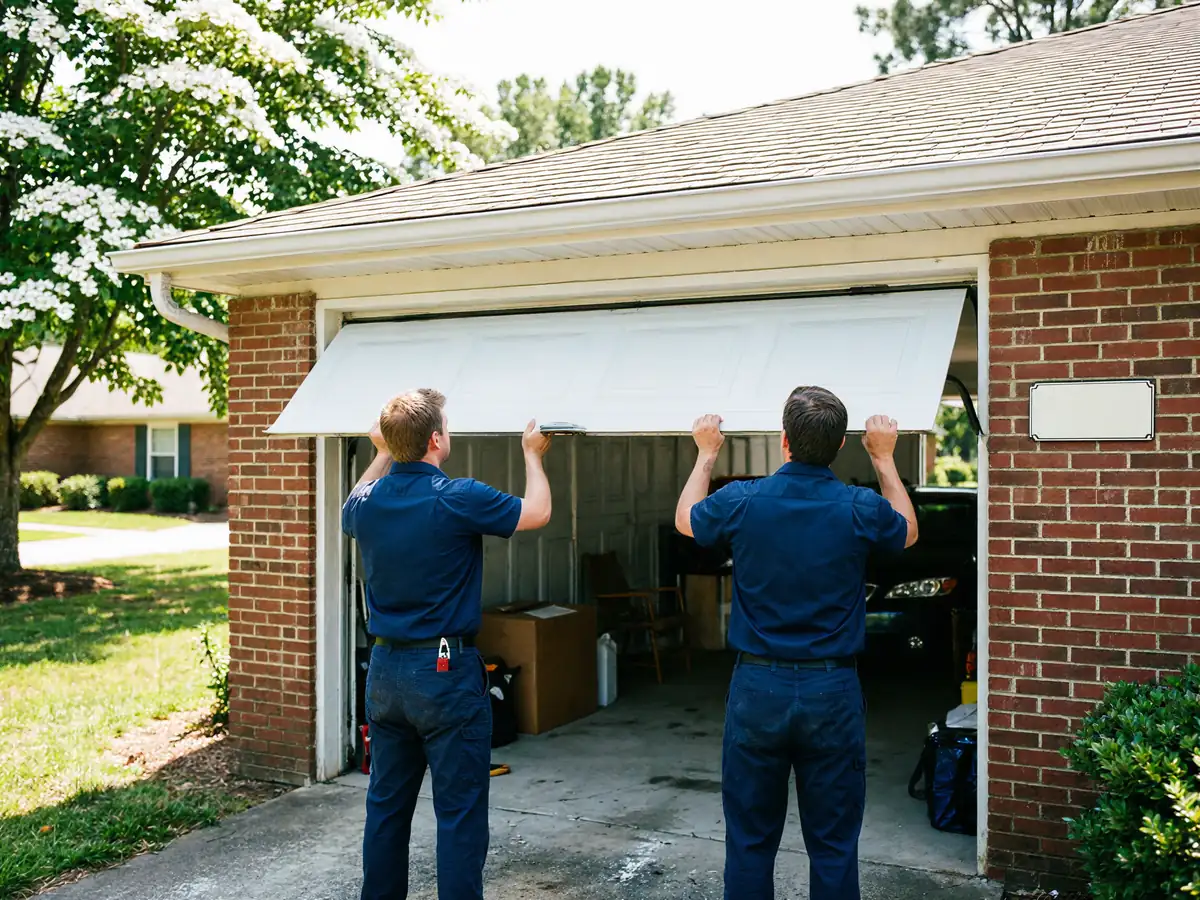
Which puts most garage doors here at an age where the factory lubrication is long gone and the original hardware is starting to show it. You can do real maintenance yourself: wipe down and lubricate the rollers and hinges, check that the track isn't bent or pulling away from the frame, and look at the bottom seal for cracking. All of that is reasonable for an owner with a ladder and an afternoon.
02
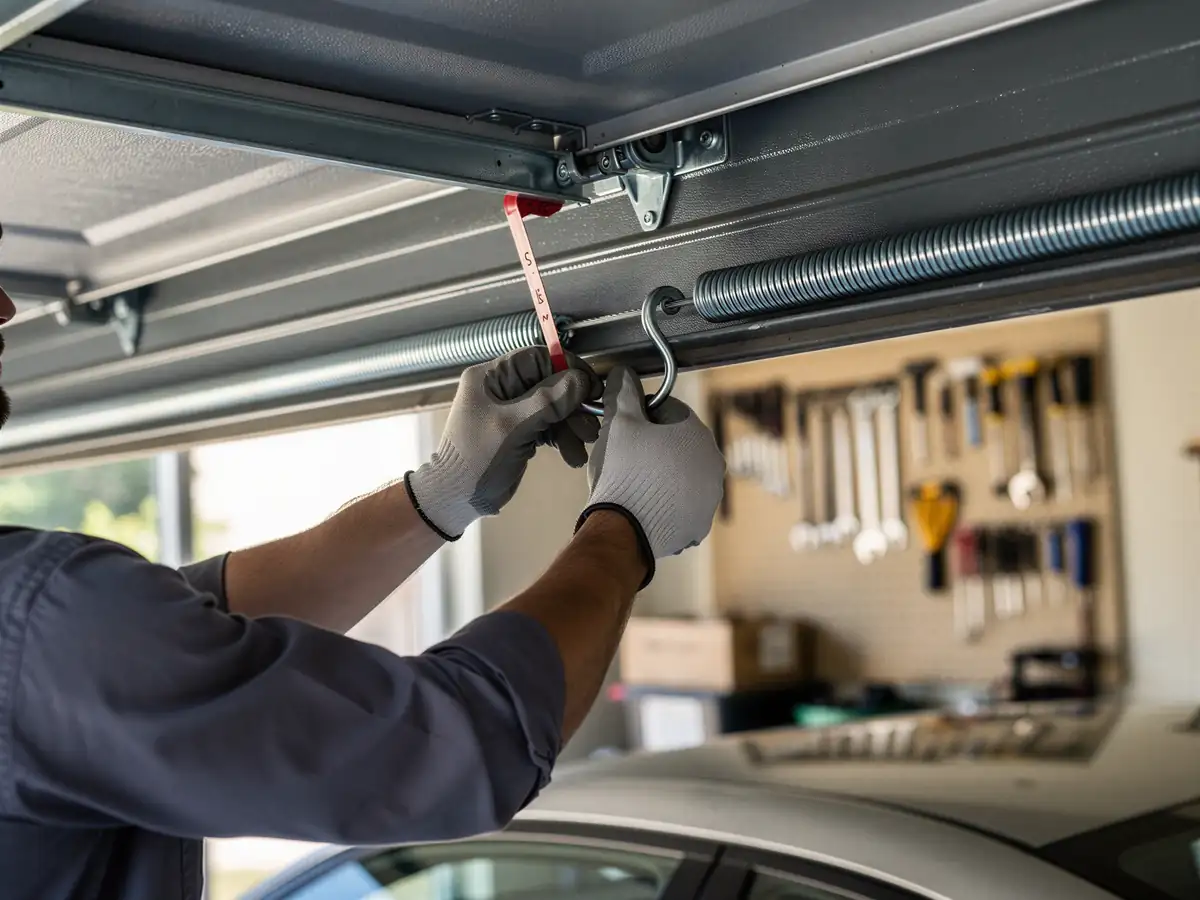
What you shouldn't touch is the torsion spring
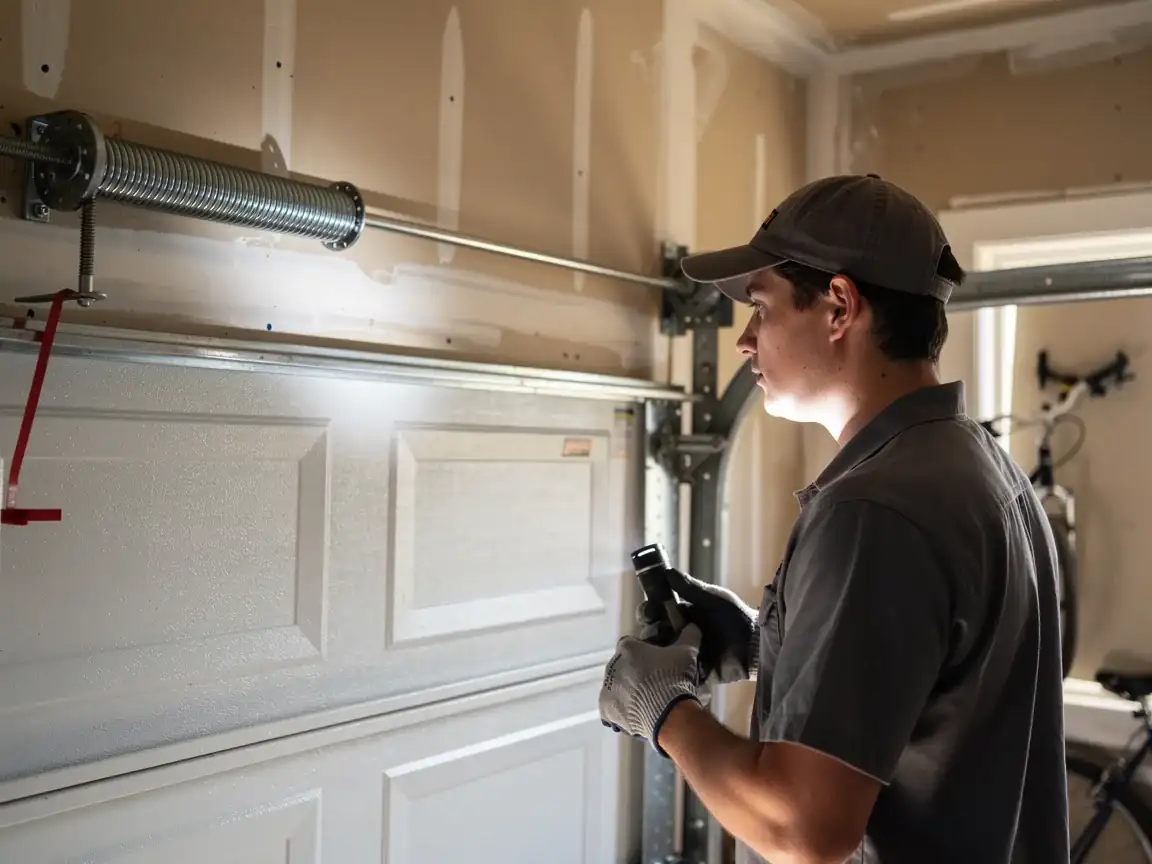
On a door this age, the spring has usually done tens of thousands of cycles already, and the ones installed in the mid-80s don't have the safety cables that became more common later. If a spring lets go while you're working near it, it can take a finger or worse. Leave that one part to someone who does it for a living.
03
Also worth a look: the opener
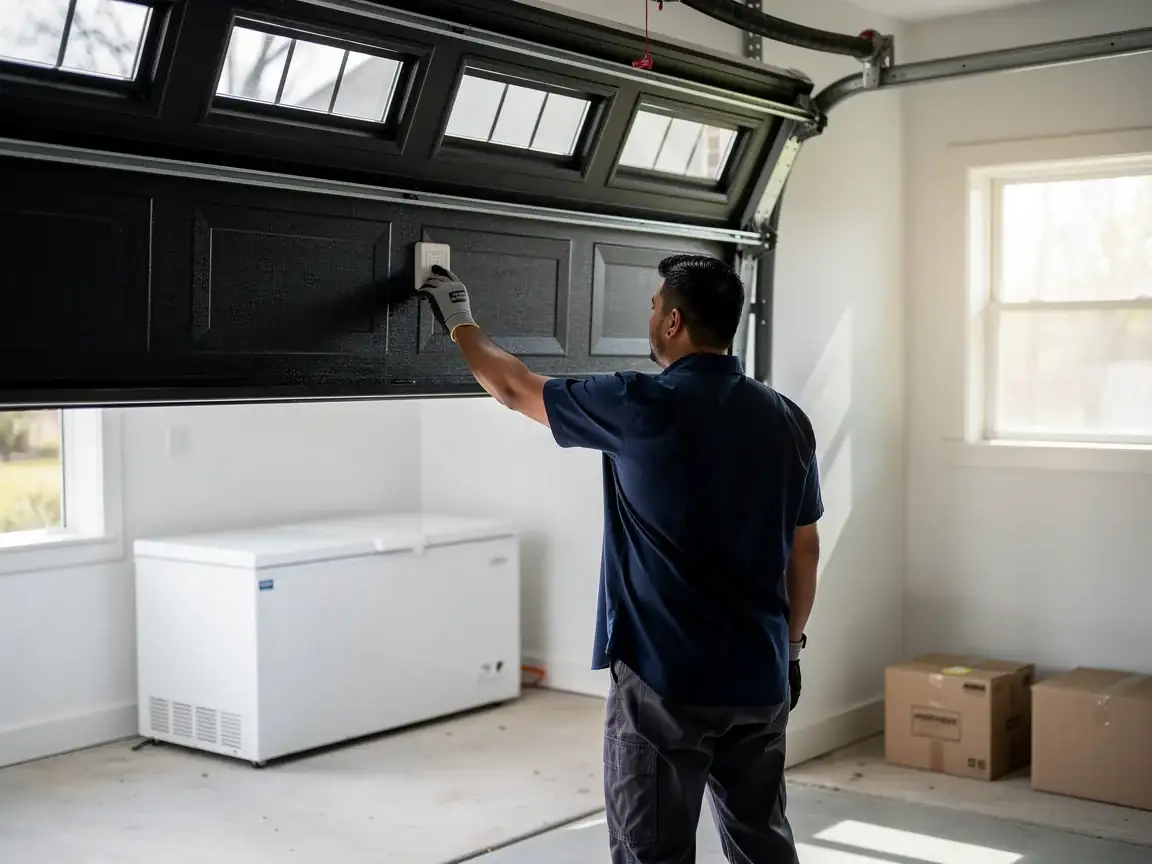
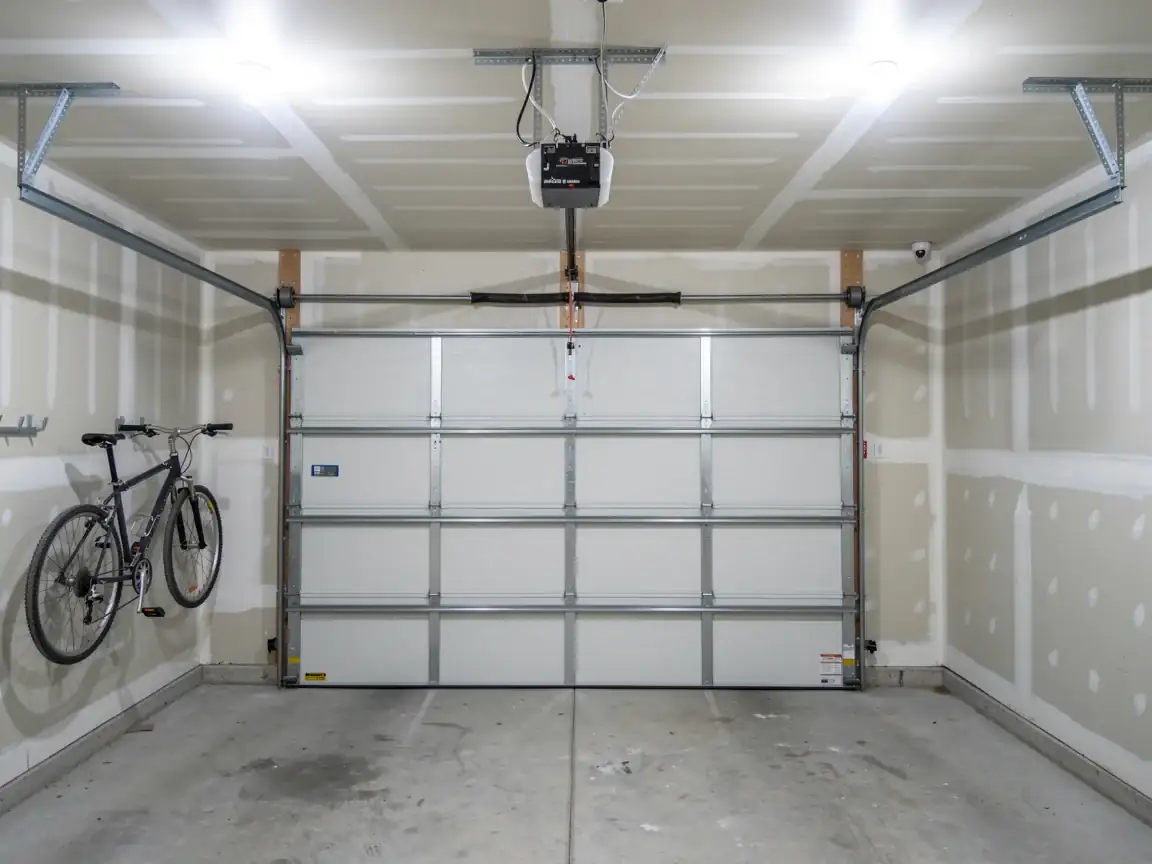
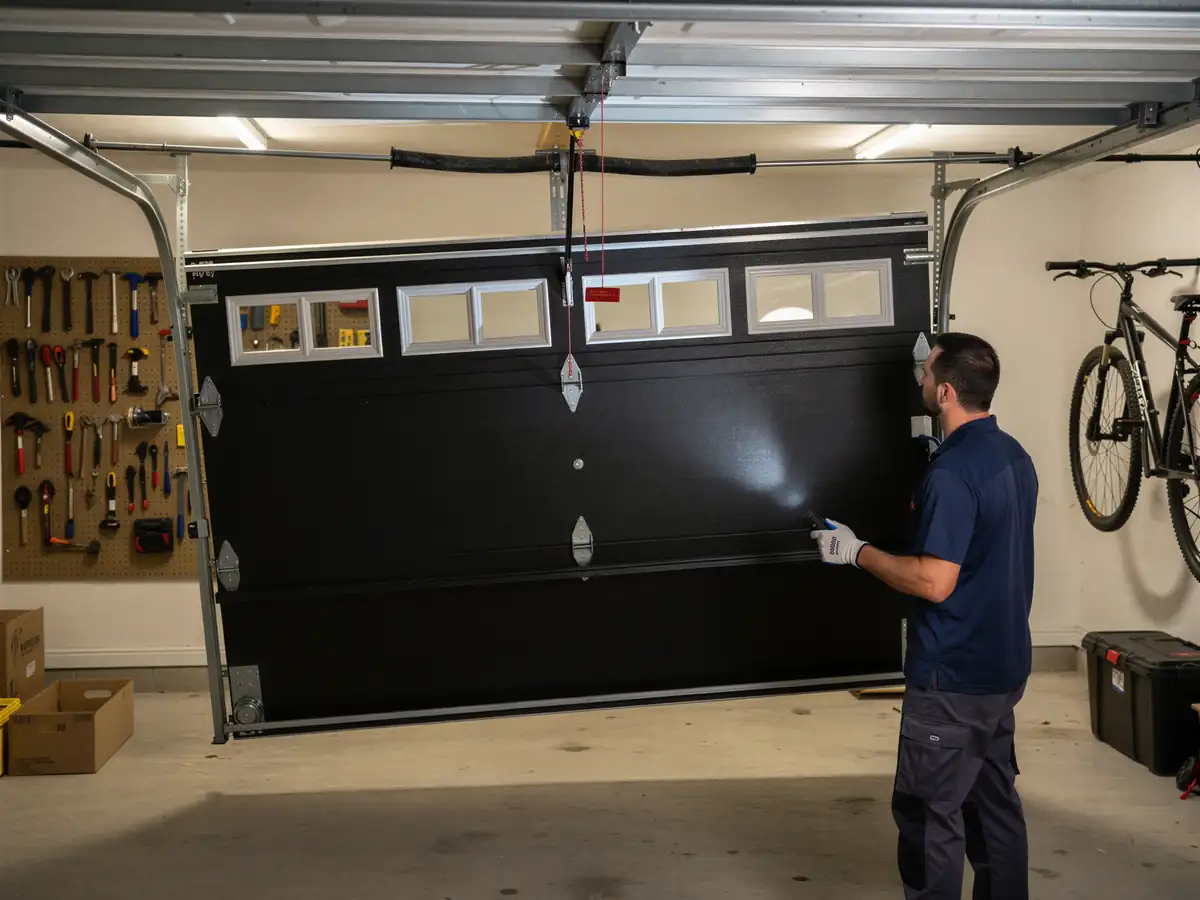
If the house still has its original unit from that era, it likely predates rolling-code safety reversal standards, and a maintenance visit is a good time to test whether the door actually reverses when it meets resistance. That's not a DIY fix if it fails - it's a sign the opener needs replacing, not adjusting.
Time on the Job
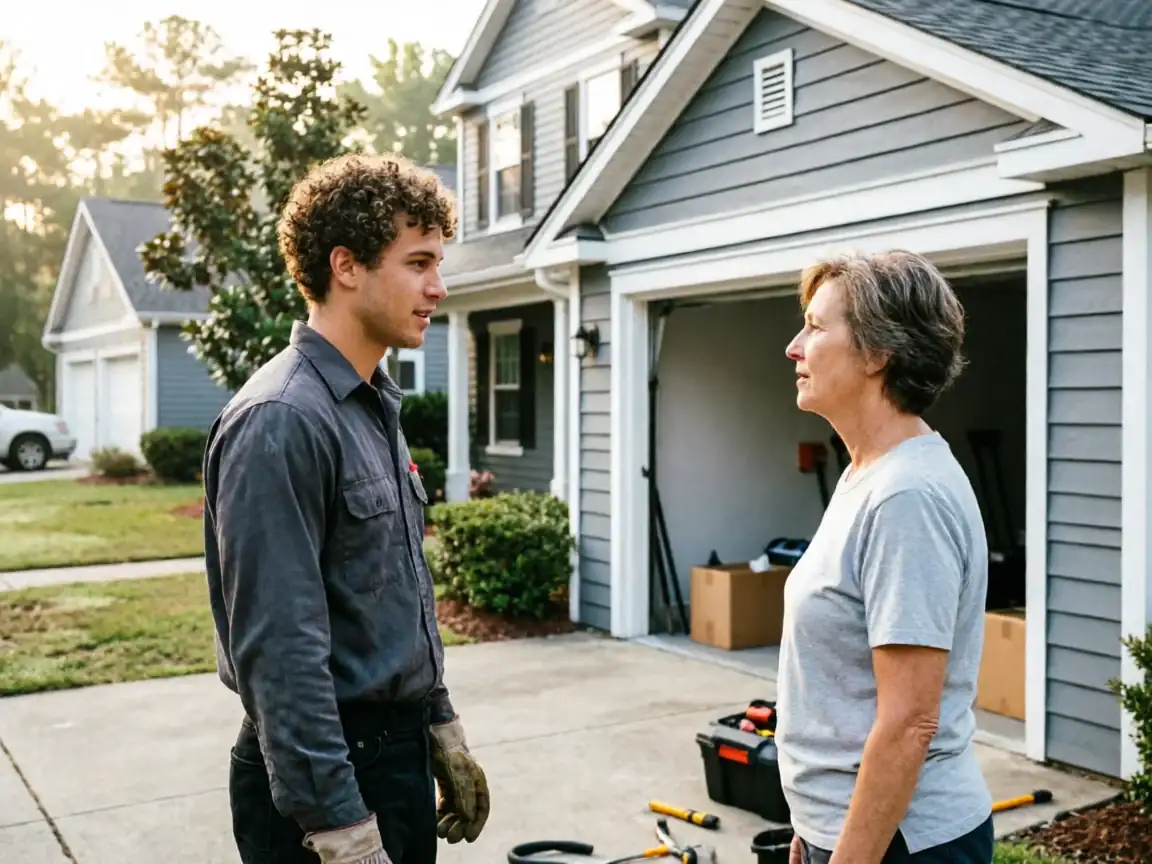
We're coming from High Point, about 6 miles out, so there's no local branch sitting in Archdale - the truck drives in for the appointment. Once on site, a standard maintenance visit on a door from the 1985-era stock common here runs through spring tension, track alignment, hardware torque, opener force settings, and weatherstripping. Most of that is quick work on a door that's been kept up; it takes longer on one that hasn't seen a wrench in a decade.
We won't pretend every visit is the same length. A door with original hardware that's never been serviced often needs more time just getting rollers freed up and rust worked off bolts before the real inspection can even start. If that's the case, we'll tell you up front rather than rush it.
The Symptom
The complaint we hear most from this part of town is a door that's gotten loud - not a sudden bang, but a grinding or squeaking that's crept in over months. On houses built in the mid-1980s, that's almost always original steel rollers that have worn past the point where lubrication helps. Nylon rollers fix the noise for good; oil just buys another few weeks.
The second common symptom is a door that feels heavier to lift by hand than it used to. That's a spring losing tension, not a track problem, and it's the kind of thing that gets worse gradually until the day it doesn't lift at all. Archdale's winters put real stress on this - cold tightens steel and makes a tired spring more likely to fail on the next cold morning rather than hold on.
The Complications
01
The tricky part with doors from this era is parts availability
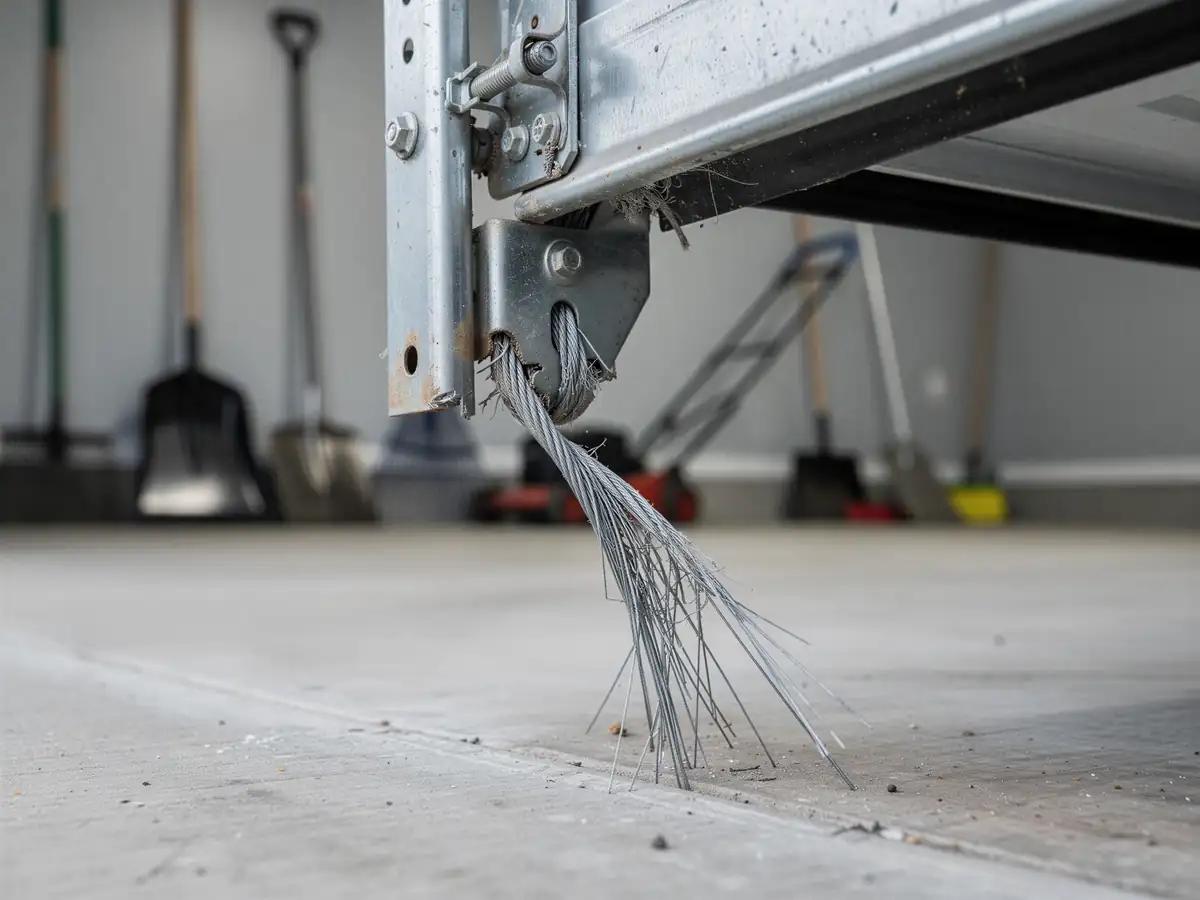
Hardware sized for a 1985 track or an older torsion assembly isn't always something a supplier carries off the shelf anymore, so a repair that sounds simple on the phone can turn into an order-and-wait situation. We'll tell you if that's what we're looking at rather than promise a same-visit fix we can't deliver.
02
The other complication is the opener
Where the door hardware might be fine, the opener motor and logic board on a house this age are often near the end of their service life even if they still run. We won't replace something that's working, but we'll flag it if it's close, so a maintenance visit doesn't turn into a surprise opener failure a month later.
How it works
From “it’s stuck” to “it’s fixed”
01
Tell us what’s wrong
Describe the symptom - won’t open, loud bang, opener runs but the door won’t move.
02
On-site diagnosis
A technician tests the door under power and by hand and finds what actually failed.
03
Clear, up-front plan
You get the fix that’s needed and what drives the cost - before any work starts.
04
Repaired & tested
The repair is done, the door is set true and tested, and the work area left clean.
Not sure which repair your door needs in High Point, NC? Describe what it’s doing - every job starts with a diagnosis.
Straight answers about garage door repair in High Point. Still unsure? Ask us directly.
Why does my garage door in Archdale sound rough even after I oil it?
If the house dates to the mid-1980s, which is typical for this area, the rollers are likely original steel. Oil quiets them briefly, but worn steel rollers keep grinding because the metal itself is pitted. Swapping to nylon rollers during a maintenance visit usually solves it for good instead of masking it.
Does the company have a location in Archdale?
No. The company is based in High Point, about 6 miles away, and travels to Archdale for appointments. There's no local depot here, just a truck that comes to you.
How often should a door built in the 1980s get serviced?
There's no single number that fits every door, but hardware from that era has had decades of cycles on it, so it's worth a yearly check rather than waiting for a symptom. Springs and rollers wear gradually and a problem caught early is cheaper than one caught at failure.
Is it normal for an older opener to not reverse when it hits something?
No, and it's worth testing. Openers from the mid-1980s often predate stricter safety reversal requirements, so if yours doesn't stop or reverse when it meets resistance, that's a sign it needs replacing, not adjusting.